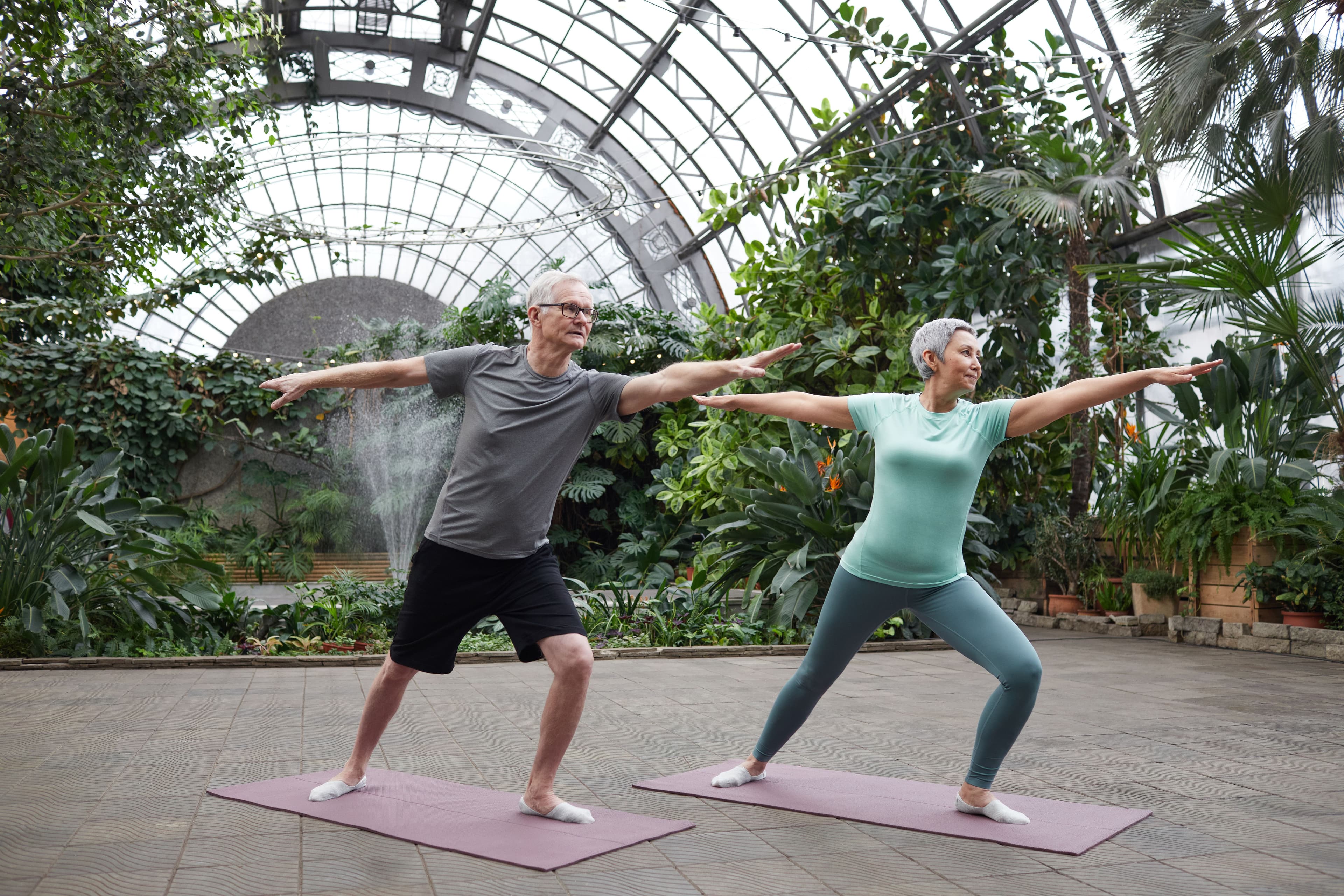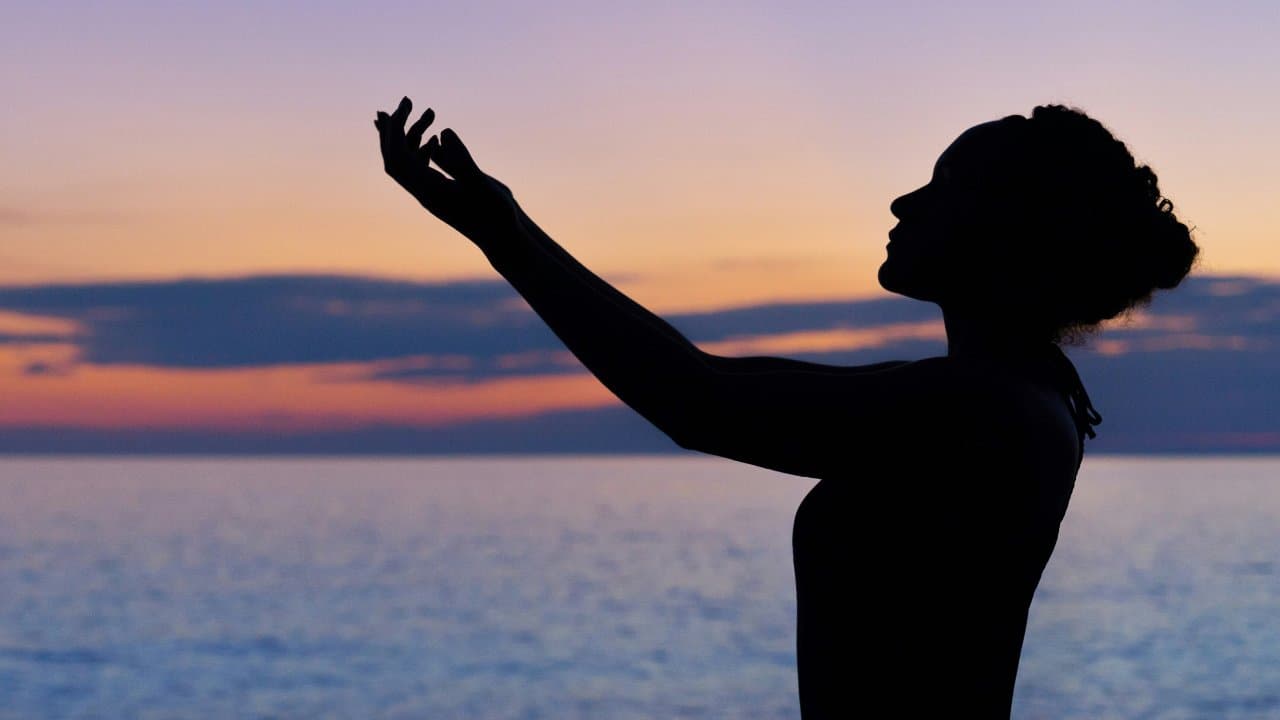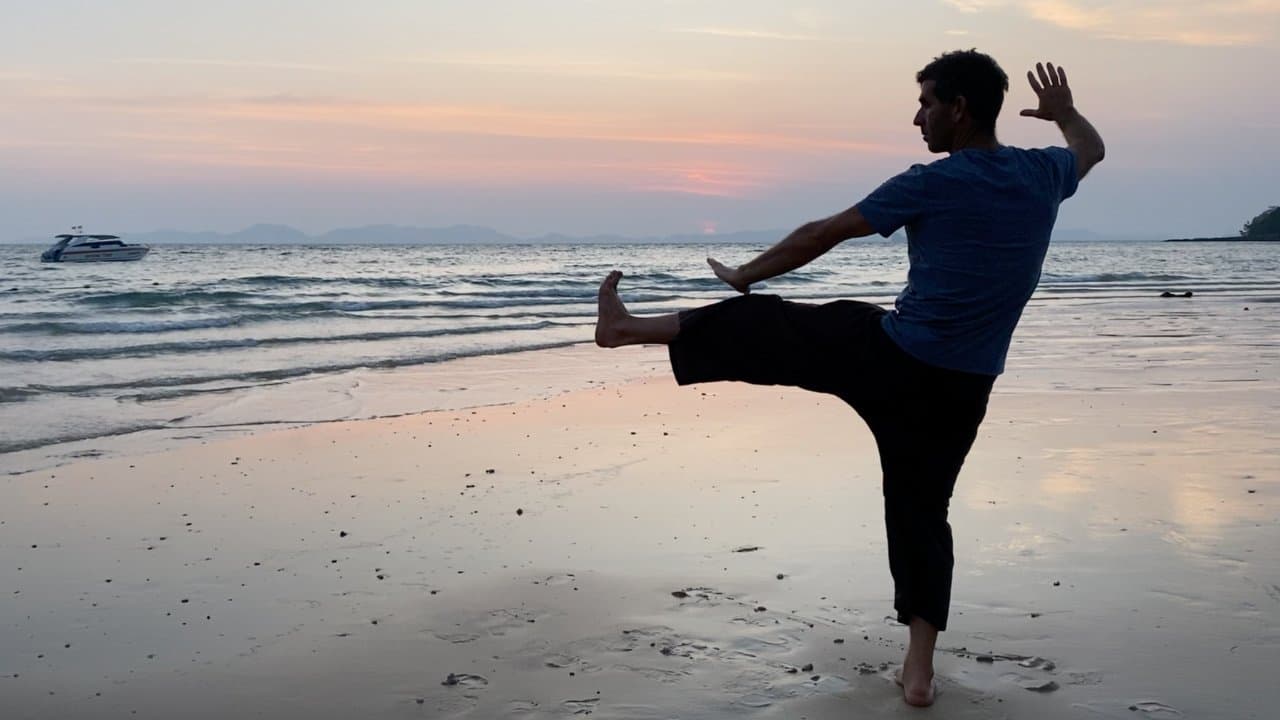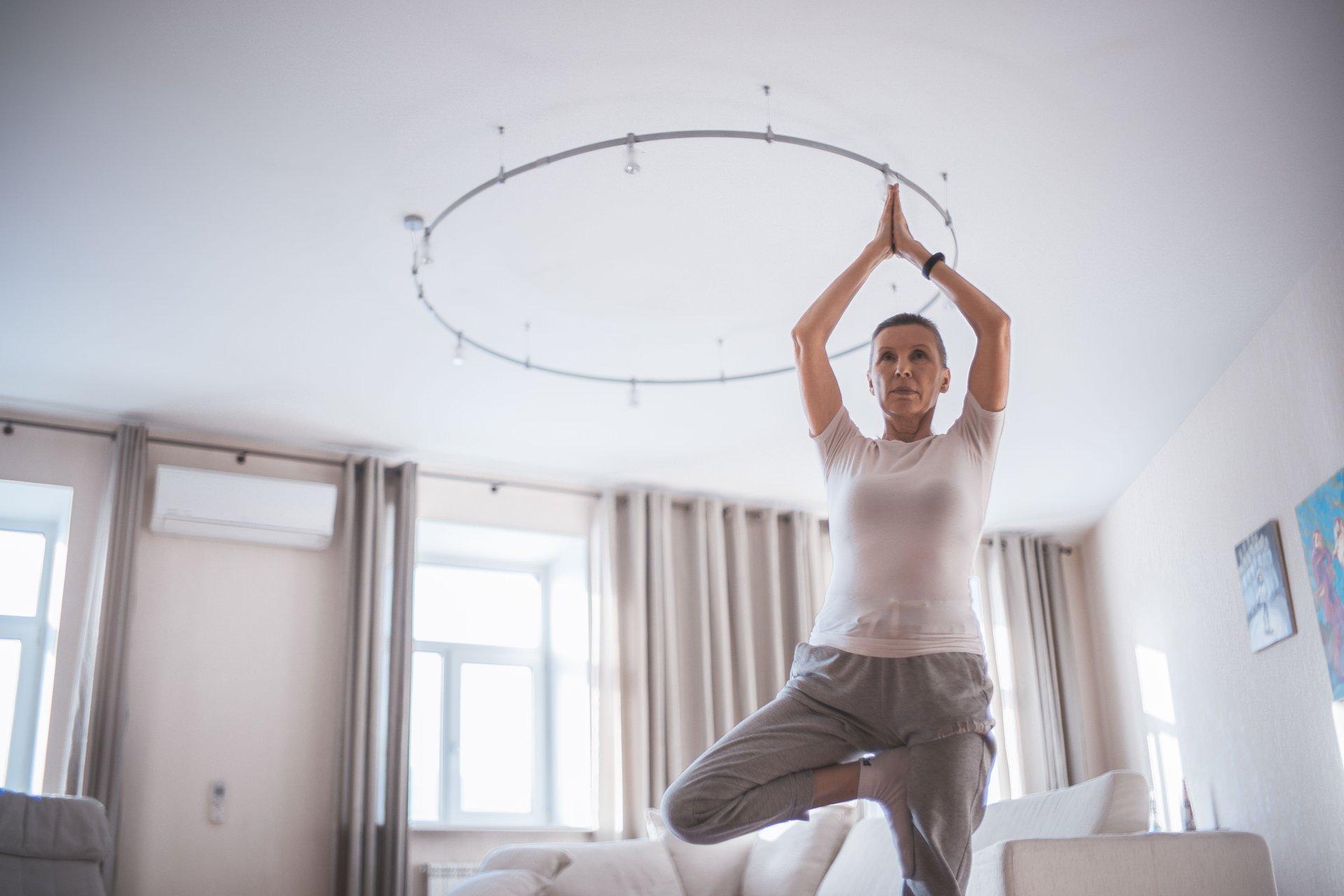
Gentle Chinese movement practices are often associated with lymphatic drainage, fascia release and relaxation.
Movements such as slowly raising the arms, turning the torso and shifting weight between the feet can offer more than one reason to keep moving. They involve different parts of the body working together, encourage comfortable mobility and can help you become more aware of how you move.
There is another important aspect worth exploring: balance.
As we get older, maintaining balance becomes increasingly important for everyday activities such as walking, turning, reaching and getting up from a chair. Gentle movement practices can offer an enjoyable way to practise some of the movements involved, particularly when they include controlled weight shifting and changes of direction.
What Is Chinese Lymphatic Drainage?
Chinese lymphatic drainage is a term commonly used to describe gentle movement practices inspired by traditional Chinese exercises, including Qi Gong and Tai Chi.
These practices often combine flowing movements, relaxed breathing, posture and attention.
The lymphatic system is a network of vessels, lymph nodes and tissues that helps collect excess fluid from around the body's cells and return it to the bloodstream. It also plays an important role in immune function.
Unlike the blood circulation, the lymphatic system does not have a central pump like the heart. Lymph moves through a combination of mechanisms, including contractions of the lymphatic vessels, breathing-related pressure changes and the movement of surrounding muscles.
When you walk, turn or move your arms and legs, your muscles contract and relax. These changes can help support normal lymph movement.
This is one reason regular physical activity is useful for the lymphatic system.
For a practical introduction to this subject, see our guide to Chinese lymphatic drainage exercises.
Understanding Fascia Release and Gentle Movement
Fascia is a network of connective tissue found throughout the body. It surrounds and connects muscles, organs, nerves and other structures, helping to support the body and allowing neighbouring tissues to move in relation to one another.
The phrase fascia release is often used to describe practices intended to ease a feeling of tightness or restriction.
Gentle movement can provide an opportunity to explore comfortable ranges of motion, move different parts of the body and reduce the feeling of stiffness that can follow prolonged inactivity.
However, it is important not to assume that every sensation of tightness is caused by fascia or that a particular movement permanently releases connective tissue.
Your experience of stiffness can also be influenced by muscles, joints, activity levels, previous injuries and other factors.
The value of gentle movement is that it encourages the body to move in different ways rather than remaining in the same positions throughout the day.
Our article on the Qi Gong fascia release method explores this approach in more detail.
What Does This Have to Do With Balance?
Balance is something we often take for granted until an everyday movement becomes difficult.
Walking across a room, turning around, stepping off a kerb or reaching for something on a shelf all require your body to make small adjustments.
Your balance depends on information from your eyes, inner ears and sensory receptors throughout your body. Your brain uses this information to coordinate muscular activity and maintain stability.
Movement practices that involve slowly shifting weight, turning and changing position give you opportunities to practise some of these skills.
For example, when you move your weight from one foot to the other, your body has to adjust the position of your feet, ankles, knees, hips and upper body.
When you turn, your body coordinates movement across several areas rather than relying on one joint or muscle group.
These are useful movement patterns to practise as part of a wider approach to maintaining balance.
Why Weight Shifting Matters
Weight shifting is a fundamental part of everyday movement.
Each time you walk, your weight transfers from one leg to the other. When you step sideways, reach or turn, your body adjusts its position to maintain stability.
In some forms of Qi Gong and Tai Chi, weight shifting is practised slowly and deliberately.
You might begin with your feet comfortably apart and gradually transfer more weight towards one leg before returning to the centre.
The movement gives you time to notice how your feet contact the ground and how your body responds.
This can be useful for developing movement awareness and practising controlled transitions.
However, standing weight shifts alone are not a complete fall-prevention programme. Balance training needs to be appropriate to the individual and should gradually challenge balance through exercises such as stepping, turning and functional movements.
How Qi Gong and Tai Chi Bring These Elements Together
Qi Gong and Tai Chi are traditional Chinese practices that combine different elements of movement and attention.
Many Qi Gong exercises involve slow, flowing movements coordinated with natural breathing. Tai Chi often includes sequences of movements involving weight transfers, turning, stepping and changes in direction.
Both can encourage people to pay attention to posture, coordination and how their bodies move.
Tai Chi has also been studied specifically for balance and fall prevention in older adults. Research and international fall-prevention guidelines support Tai Chi as one useful exercise option, alongside progressive balance and functional training.
You can read more about the relationship between these practices and lymphatic movement in our article about lymphatic Tai Chi.
Try This Gentle Weight-Shifting Practice
Find a space where you can stand comfortably. Position yourself near a sturdy chair or countertop if you need support.
Begin with your feet about hip-width apart and your knees relaxed.
Slowly transfer a little more weight towards your right foot, keeping both feet in contact with the floor.
Return to the centre and repeat towards your left foot.
Continue at a comfortable pace, noticing how your body responds.
Next, gently turn your upper body from side to side. Allow your arms to move naturally and avoid forcing the rotation.
Finish by taking a short walk, paying attention to how your weight moves from one foot to the other.
Keep the movements small and controlled. Use support whenever you need it, and stop if you experience dizziness or pain.
These simple movements are not a substitute for individual balance training, but they provide an introduction to some of the movement patterns used in Tai Chi.
If you would like to develop your balance through guided movement, you can explore our free Tai Chi for Better Balance course.
Bringing It All Together
Chinese movement practices offer an interesting way to combine gentle activity, body awareness and coordination.
Muscle activity during movement helps support normal lymphatic flow. Moving through comfortable ranges of motion can help you explore mobility, while exercises involving weight shifting, stepping and turning provide opportunities to practise balance.
These are related aspects of staying active, but they should not be confused with one another. Lymphatic drainage and fascia release do not automatically prevent falls.
For better balance, it is important to practise balance-specific movements and gradually build the strength and coordination needed for everyday activities.
You do not need to make every session intense or complicated. Start with movements that feel manageable and build a consistent routine.
Frequently Asked Questions
Does Chinese lymphatic drainage help with balance?
Chinese lymphatic drainage is a broad term for gentle movement practices. Some of the movements used in Qi Gong and Tai Chi involve weight shifting and coordination, which can provide opportunities to practise balance. The lymphatic drainage process itself is not a fall-prevention treatment.
Can fascia release improve balance?
There is no good evidence that fascia release directly prevents falls. Comfortable mobility and whole-body movement can be useful parts of physical activity, while balance itself needs to be practised through appropriate balance exercises.
Is Tai Chi good for balance as you get older?
Research supports Tai Chi as a useful exercise for improving balance and helping reduce falls in older adults. The benefits depend on the type of practice, consistency and suitability for the individual.
What is the difference between Qi Gong and Tai Chi?
Both are traditional Chinese practices that combine movement and attention. Qi Gong includes a wide variety of exercises, while Tai Chi often involves more structured sequences of movements, weight shifting and stepping.