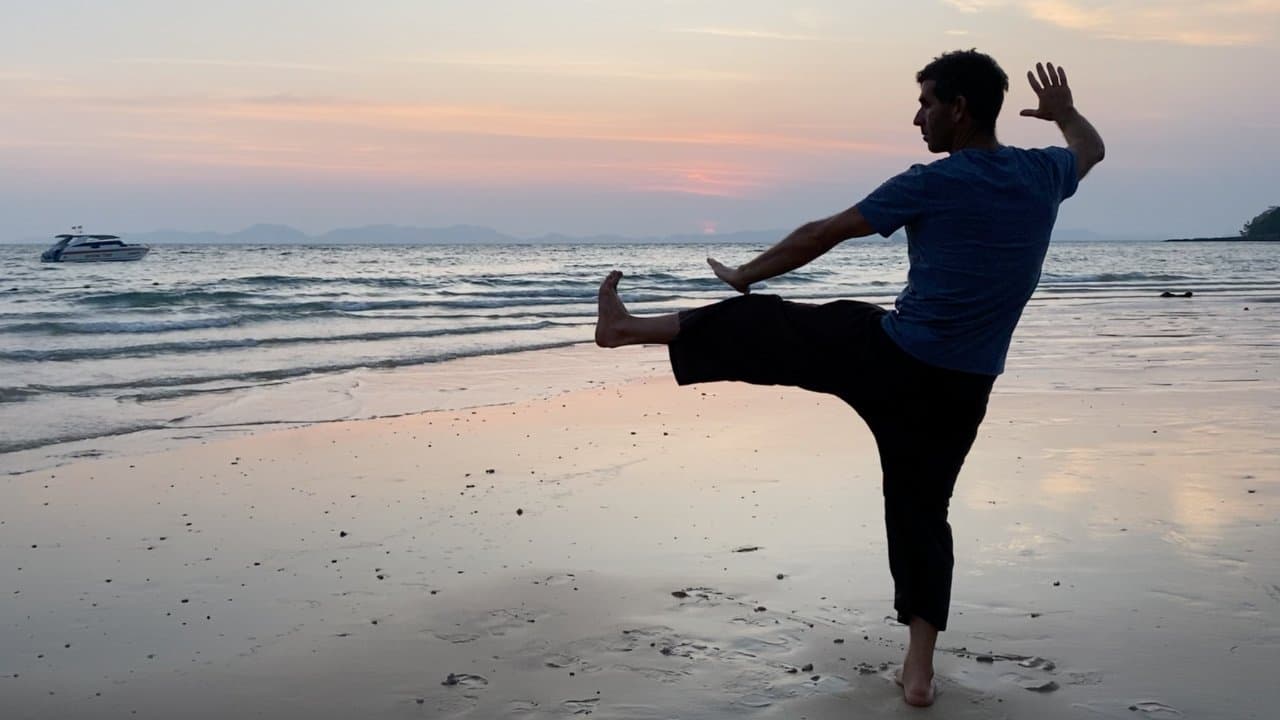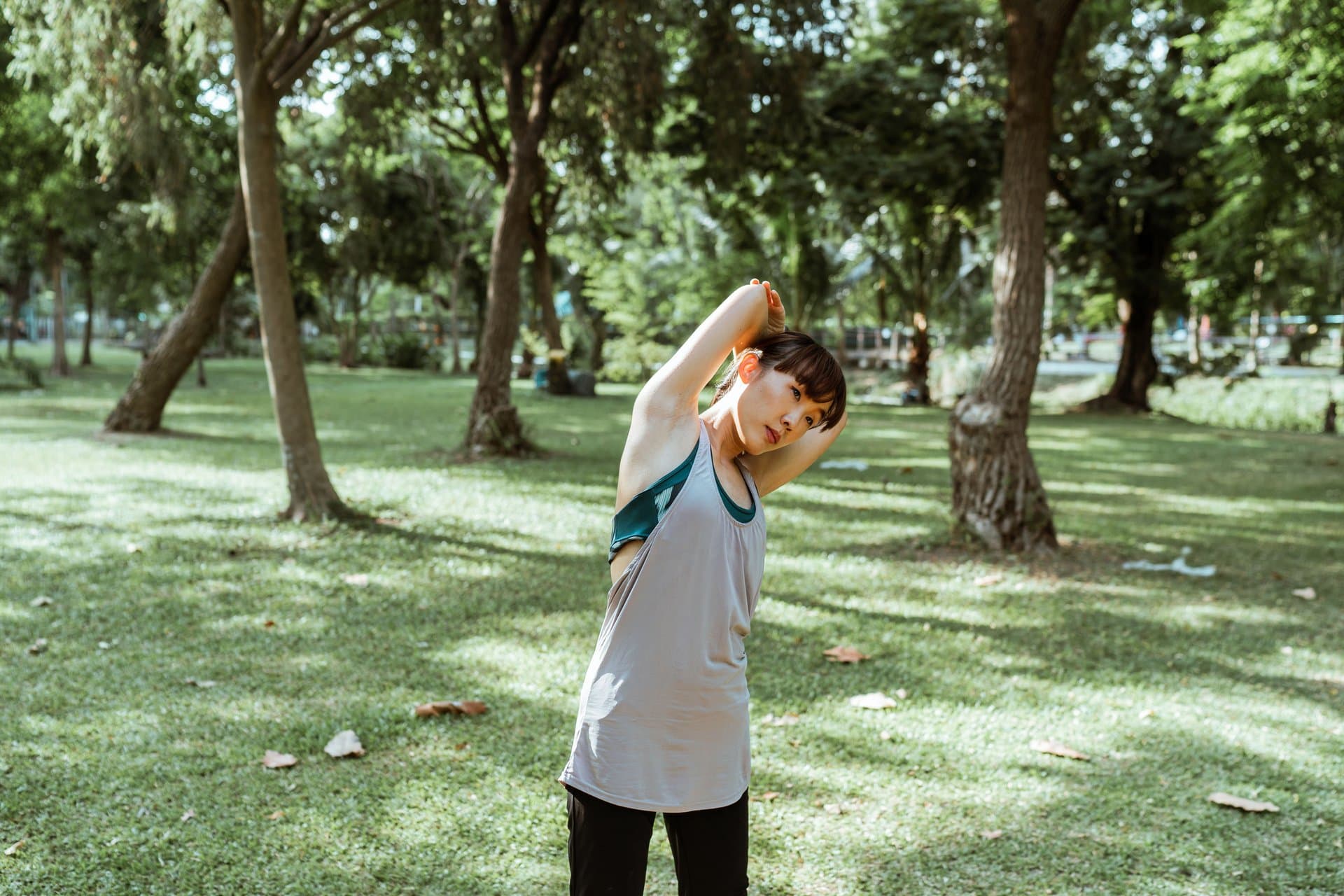
The body’s fascia is a network of connective tissue surrounding and connecting muscles, organs, nerves and other structures. When we spend long periods sitting, repeat the same movements or live with ongoing stress, the body can begin to feel stiff, restricted and tense.
The qigong fascia release method offers a gentle approach to restoring movement and body awareness. Rather than aggressively stretching or rolling tight areas, Qigong uses slow movement, relaxed breathing, gentle spirals and whole-body coordination to encourage greater ease.
How Fascia and Flow Are Connected
Fascia forms an interconnected web throughout the body. It helps transmit forces between different areas and contributes to movement, stability and sensory feedback.
It is sometimes claimed that tight fascia directly blocks lymphatic channels. The reality is more nuanced. Tissue tension, reduced movement and prolonged compression can influence local fluid movement, while regular muscular activity and breathing help support normal circulation.
This is why gentle qigong fascia release can be useful for people who feel stiff after sitting or holding the same posture for long periods.
Our guide to fascia exercises for mobility and stiffness explores this subject in more detail.
What Is the Qigong Fascia Release Method?
The qigong fascia release method is not one formally defined exercise system. It is better understood as an approach to Qigong that uses slow, continuous movements to explore tension, mobility and body awareness.
Rather than forcing a stretch, you might create a small amount of tension and then gradually soften it.
Spiralling movements can also move through several joints and muscle groups at once, encouraging the body to coordinate rather than isolate individual tissues.
Gentle oscillating movements and regular hydration also support the normal movement of fluid within connective tissues. However, claims that these exercises literally "rehydrate" fascia or break up adhesions should be treated cautiously.
4 Gentle Qigong Fascia Releases
1. Spine Wave and Spinal Unwinding
Stand with your knees slightly bent.
Begin gently rocking your weight forwards and backwards, allowing the pelvis to move first. Let the movement gradually travel through the spine, shoulders and head.
Keep the movement small and relaxed.
Imagine the spine unwinding rather than stretching.
This can be particularly useful after prolonged sitting or when the back feels generally restricted.
2. Kidney and Flank Stretch
Place your hands around the sides of your waist.
Shift your weight gently to one side while allowing the opposite side of your torso to lengthen.
Return to centre and repeat on the other side.
Do not force the stretch. Focus on creating space through the ribs, waist and side body while breathing naturally.
3. Gentle Chest Opener
Bring your hands together in front of your chest.
Slowly open the arms to either side as you inhale, allowing the chest and shoulders to expand naturally.
As you exhale, bring the hands back towards the centre.
The movement creates mobility around the chest and shoulders, including the region around the armpits where groups of lymph nodes are located.
These movements should not be thought of as physically "releasing" the lymph nodes. Instead, they combine gentle shoulder movement, breathing and muscle activity that support normal circulation.
4. Gentle Leg Shaking
Stand with your feet comfortably apart and your knees soft.
Begin gently bouncing through the knees, allowing a light shaking movement to travel through the legs.
You can gradually allow the arms and shoulders to loosen as well.
Keep the movement comfortable rather than vigorous.
This is one of the simplest qigong fascia release exercises and can provide a useful movement break after sitting.
If you would like to explore these practices through a structured program, our free course Qigong: The Taoist Path to Optimal Health provides step-by-step guidance and tools.
Supporting Fascia With Everyday Habits
Gentle movement works best alongside the basics of good body care.
Regular hydration supports normal physiological processes, while slow breathing can help reduce unnecessary muscular tension.
Heat can also feel beneficial when muscles and joints are stiff. A warm shower, bath or gentle heat before movement may make it easier to move comfortably.
The goal is not to aggressively manipulate fascia. A few minutes of relaxed movement, repeated regularly, is often more practical than occasional intense sessions.
For people living with chronic pain or sensitivity, gentle movement can also be a useful part of a broader approach.
Frequently Asked Questions
How is Qigong fascia release different from foam rolling?
Foam rolling applies direct pressure to tissues, while Qigong uses active movement, breathing and body awareness. Neither needs to be aggressive, and some people may prefer the gentler whole-body approach of Qigong.
How long does it take to feel a difference?
Some people notice greater ease or warmth after a short session, while longer-term improvements in mobility usually require regular practice. There is no specific timeframe that applies to everyone.
Can Qigong help with fibromyalgia?
Research suggests that gentle mind-body exercise, including Qigong and related practices, may help some people with fibromyalgia symptoms. However, responses vary, and Qigong should complement rather than replace appropriate medical care.
Bringing It All Together
The qigong fascia release method offers a gentle way to explore stiffness, mobility and whole-body relaxation.
Slow spirals, spinal waves, gentle opening movements and rhythmic shaking can help you move areas that may otherwise remain relatively still throughout the day.
The aim is not to force fascia to "release" or dramatically flush the body. Instead, regular movement can support normal circulation, mobility, body awareness and relaxation.