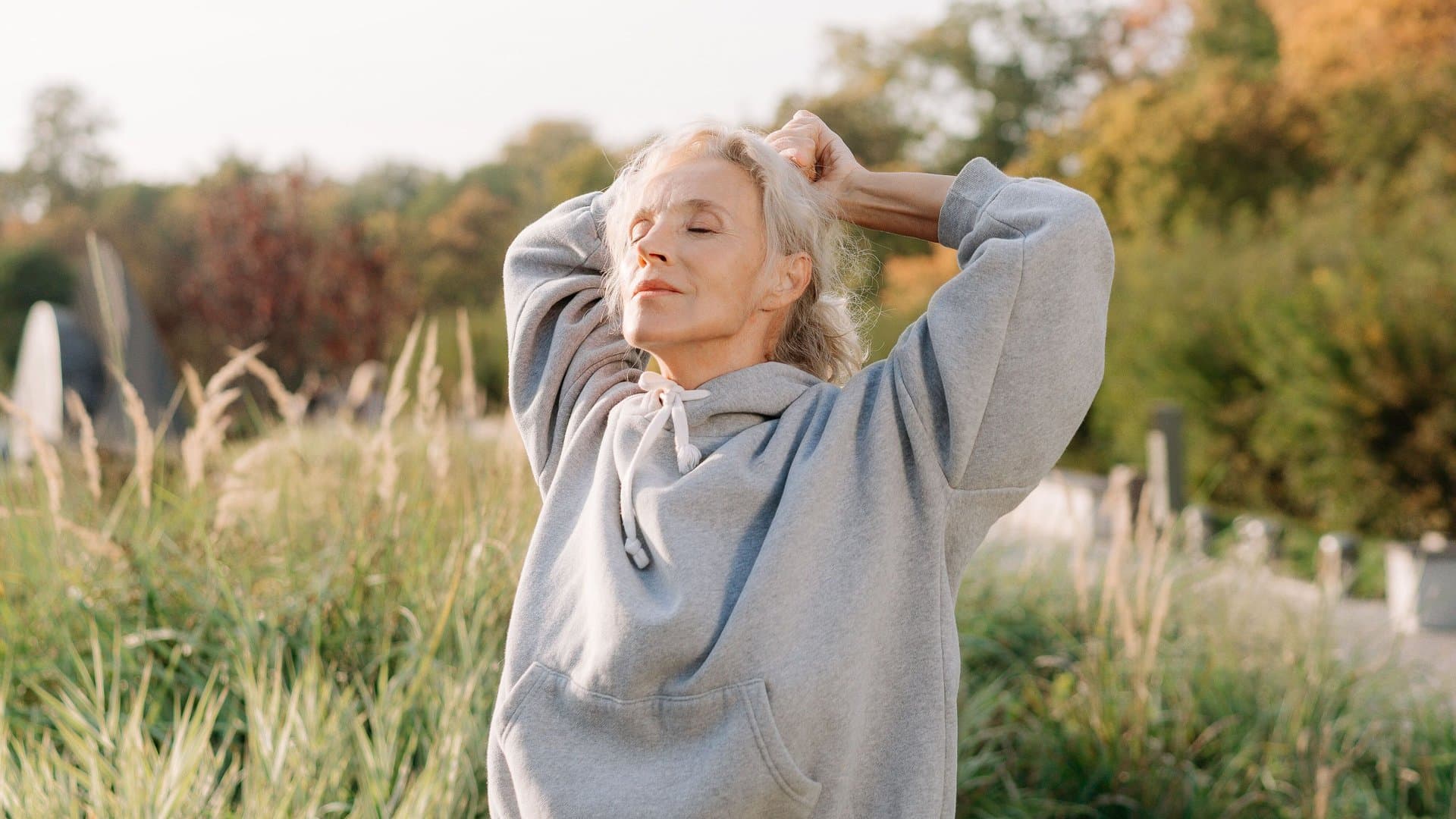
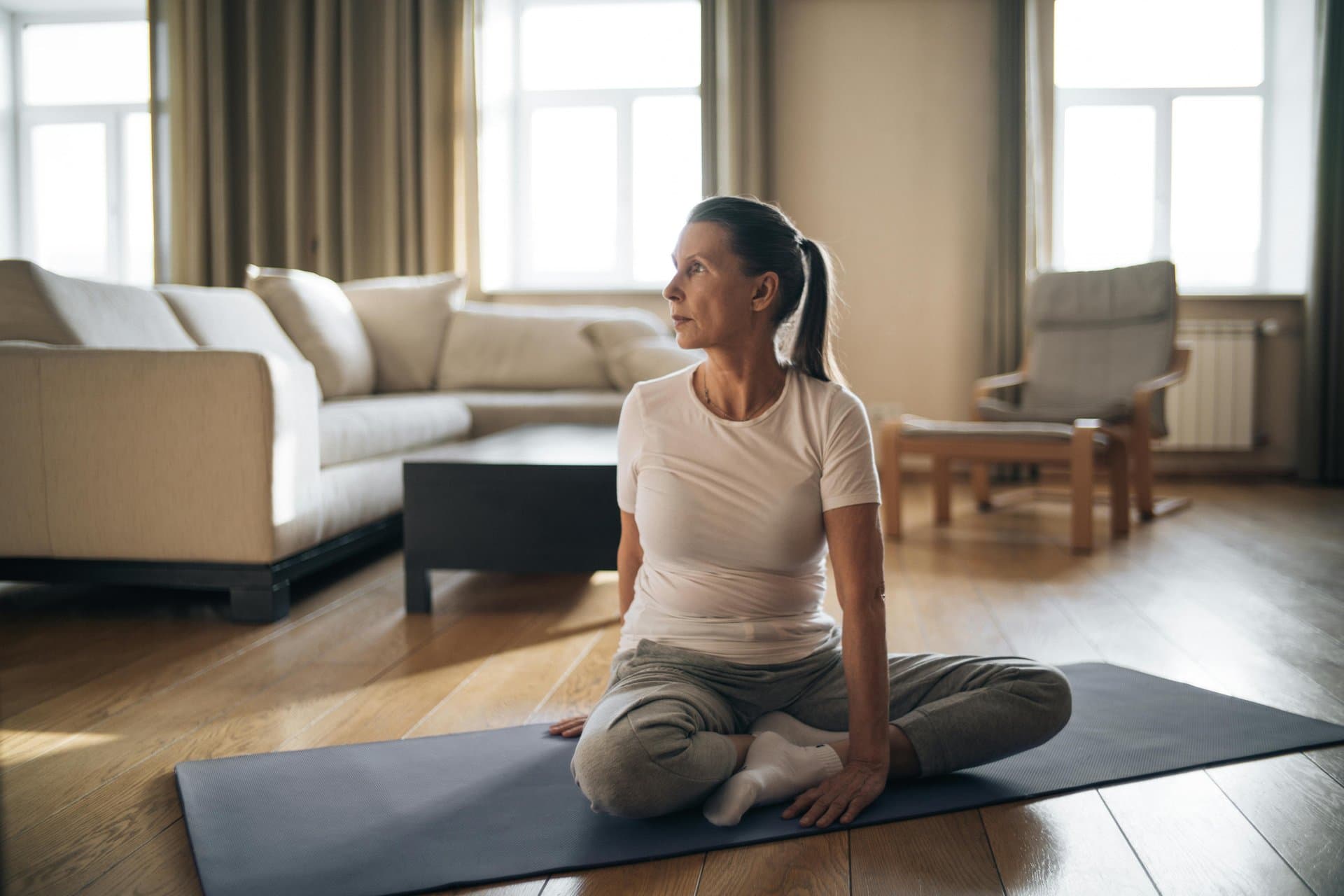
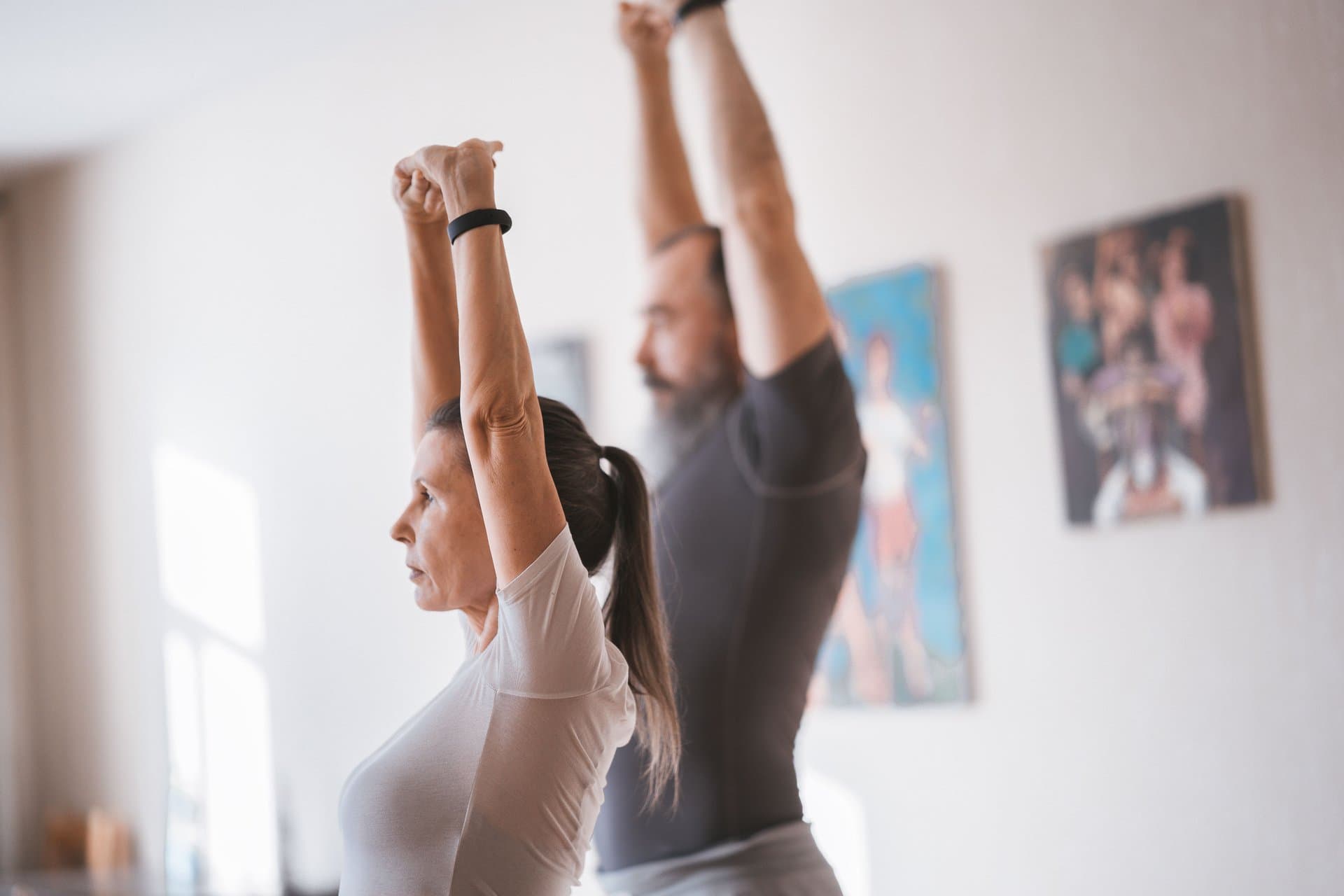
The lymphatic system helps maintain fluid balance, supports immune function and returns excess fluid from tissues back into circulation. Unlike the heart, it does not have a central pump, so movement, muscle contractions and changes in pressure from breathing all contribute to lymph flow.
This is where Chinese lymphatic drainage exercises can offer a gentle approach. Traditional Chinese movement practices such as Qigong use rhythmic movement, relaxed breathing and whole-body coordination in ways that complement what we understand about circulation and lymphatic movement today.
How Chinese Movements Support Lymph Flow
The lymphatic system relies partly on the movement of surrounding muscles and changes in pressure within the body. Regular physical activity therefore supports normal lymph circulation, while prolonged inactivity can reduce the natural movement of fluid.
Chinese lymphatic exercises combine several useful elements:
Gentle joint rotations encourage movement through areas that can become stiff with inactivity.
Rhythmic whole-body movements create repeated muscular contractions.
Diaphragmatic breathing changes pressure within the chest and abdomen.
Relaxed movement encourages the body to move without unnecessary muscular tension.
This does not mean these exercises literally "flush toxins" from the body. The liver, kidneys, lungs and other systems already perform the body's essential clearance functions. A more accurate description is that gentle movement supports normal circulation, fluid balance and physical mobility.
If you are interested in the relationship between movement, fascia and traditional Chinese practices, our guide to the Chinese lymphatic detox and fascia release method explores the subject in more detail.
A 15-Minute Chinese Lymphatic Drainage Routine
This routine is designed to be gentle enough for everyday practice. Move slowly, breathe comfortably and avoid forcing any movement.
1. Heel Tapping and Gentle Trembling - 3 Minutes
Stand with your feet about hip-width apart and keep your knees soft.
Begin by gently lifting your heels a small distance from the floor and allowing them to settle back down. The movement should be light rather than forceful.
After a minute or two, allow a gentle trembling movement to travel through your legs and arms.
Keep your jaw and shoulders relaxed.
This type of rhythmic movement is found in various Qigong practices. Rather than thinking of it as "shaking toxins out", think of it as waking up the body through gentle movement.
2. Arm Sweeps Across the Chest - 3 Minutes
Bring your arms slowly out to the sides and then sweep them comfortably across the front of your body.
Allow the arms to cross naturally without pressing firmly into the chest or armpits.
Reverse the movement and repeat slowly.
The area around the armpit contains groups of lymph nodes, but there is no need to massage or press directly on them. The aim is simply to combine relaxed shoulder movement with natural breathing.
If your shoulders feel stiff, you may find our guide on why joint circles are good for mobility useful alongside this practice.
3. Gentle Torso Twisting - 3 Minutes
Stand comfortably with your knees slightly bent.
Allow your arms to swing gently from side to side as your torso rotates.
Let the movement remain relaxed. Your hips can move naturally rather than staying completely fixed.
Breathe normally and allow the shoulders to follow the rotation.
This creates movement through the spine, ribs and trunk while encouraging coordination between breathing and whole-body movement.
4. Pelvic Opening - 3 Minutes
Place your hands gently on your hips.
Shift your weight slowly from one foot to the other, allowing the pelvis to move naturally.
You can then make small circles with the hips, keeping the knees soft.
There should be no forcing or deep stretching.
The pelvis is an important area of movement and circulation, and gentle mobility here can be particularly useful if you spend much of the day sitting.
For many people, this can also be a useful way to address stiffness in the morning.
5. Quiet Breathing - 3 Minutes
Finish by standing or sitting comfortably.
Place one hand over your lower ribs or abdomen.
Allow your breath to become slower and more natural. Feel the ribs expand as you inhale and soften as you exhale.
Do not take unusually deep breaths. Comfortable breathing is enough.
If you enjoy this style of practice, the free Qigong for Lymphatic Drainage & Stress Relief course provides a more structured way to explore gentle movement, breathing and relaxation.
Best Practices for Daily Practice
Chinese lymphatic drainage exercises work best when they become part of a regular movement routine rather than something you practise occasionally.
Morning can be a useful time, particularly if you tend to wake feeling stiff or sluggish. However, there is no requirement to practise at a particular time. A short session during the day can also help break up long periods of sitting.
Stay normally hydrated throughout the day, but there is no need to drink excessive amounts of water before or after the routine.
Most importantly, use light, comfortable movement. These practices are not a form of vigorous exercise or deep massage.
Frequently Asked Questions
What should I feel during the exercises?
You may notice warmth, gentle movement, easier breathing or a feeling of relaxation. You should not experience sharp pain, significant swelling or discomfort.
How often should I practise Chinese lymphatic exercises?
A short daily practice is ideal if it feels comfortable. Even five to ten minutes can provide a useful movement break. You can gradually build towards the full 15-minute routine.
Are these exercises suitable for everyone?
Gentle movement is generally well tolerated, but people with diagnosed lymphatic disorders, unexplained swelling, active infection, recent surgery or other medical conditions should speak with an appropriate healthcare professional before starting a new exercise routine.
These exercises should complement, not replace, medical treatment for lymphoedema or other lymphatic conditions.
Bringing It All Together
Chinese lymphatic drainage exercises provide a simple way to combine gentle movement, breathing and body awareness within your daily routine.
The goal is not to force fluid through the body or perform a dramatic "detox". Instead, regular movement can support the normal physiological processes involved in circulation, mobility and fluid balance.
Start gently, practise consistently and let the movements become smoother over time.