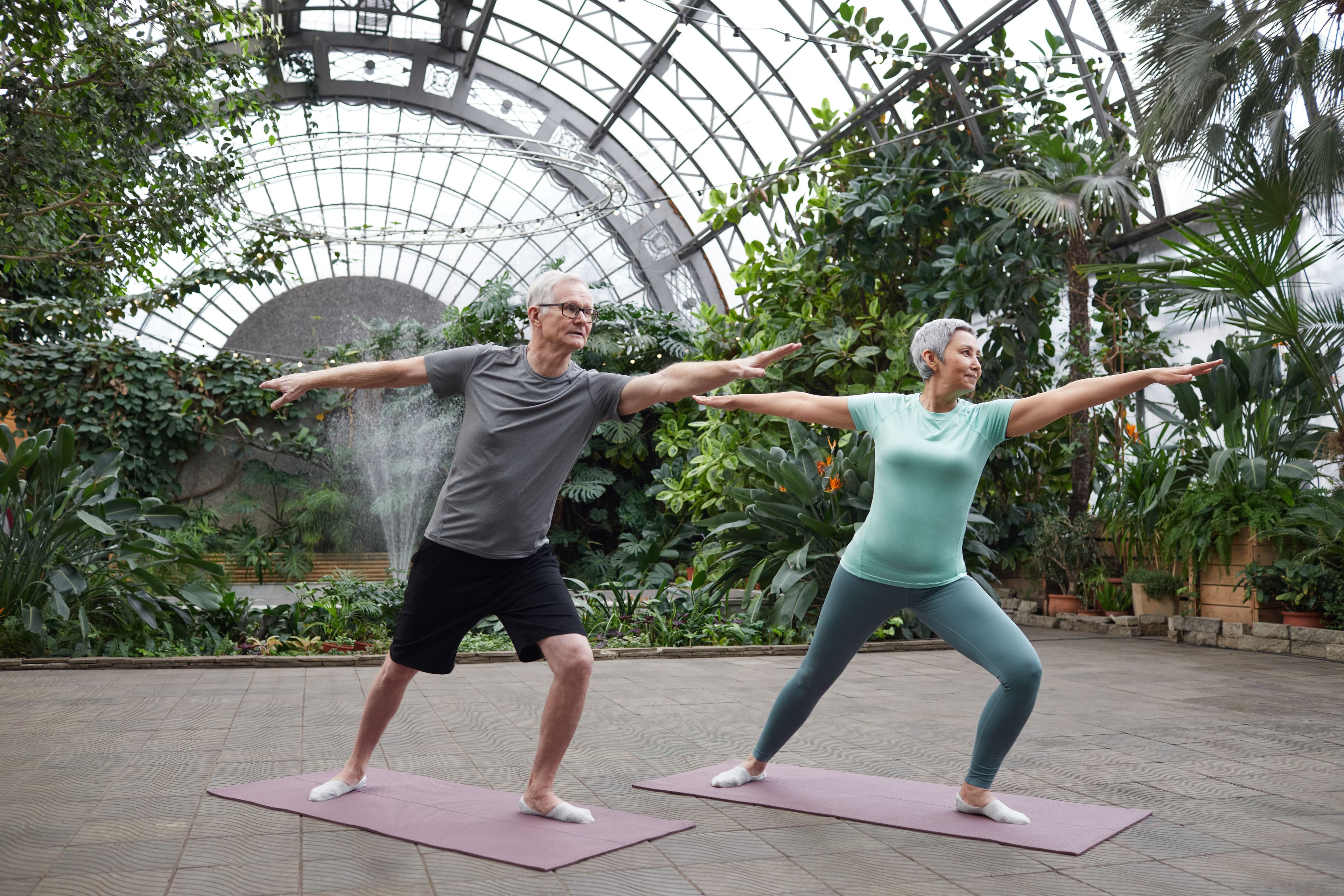
What is lymphatic Tai Chi? It is best understood as a gentle way of practising Tai Chi with particular attention to relaxed, rhythmic movement, weight shifting, breathing and whole-body mobility. These qualities can support normal circulation and fluid movement while also encouraging balance, coordination and relaxation.
Tai Chi does not have a separate medical system of "lymphatic drainage" movements, but many traditional Tai Chi exercises naturally involve the muscles, joints and breathing patterns that contribute to healthy circulation.
How Tai Chi Supports Lymphatic Flow
The lymphatic system helps maintain fluid balance and plays an important role in immune function. Unlike the cardiovascular system, it does not have a central pump like the heart.
Instead, lymph moves through the body partly through muscle contractions, body movement and changes in pressure created by breathing.
This is why tai chi for lymphatic drainage is often associated with slow, continuous movement. Gentle weight shifting and coordinated breathing create repeated movement throughout the body without requiring strenuous exercise.
Tai Chi can also encourage relaxed movement through areas that become stiff with prolonged sitting or inactivity.
For a broader introduction, see our guide to Tai Chi for beginners and lymphatic health.
Key Characteristics of Lymphatic Tai Chi
Several qualities of traditional Tai Chi are particularly relevant when thinking about circulation and fluid movement:
Weight shifting: Moving gradually from one leg to the other activates the muscles of the legs and improves balance.
Relaxed joints: Tai Chi encourages softness rather than unnecessary muscular tension.
Spiralling movements: Gentle rotations and continuous movements create mobility through the shoulders, spine, hips and limbs.
Abdominal breathing: Comfortable diaphragmatic breathing creates natural changes in pressure within the chest and abdomen.
3 Tai Chi Exercises for Lymphatic Flow
1. Wave Hands Like Clouds
Stand with your feet comfortably apart and keep your knees soft.
Slowly shift your weight from one side to the other while allowing your arms to move smoothly across the front of your body.
As your weight moves to one leg, allow the arms to follow naturally. Then reverse the movement.
Keep your shoulders relaxed and avoid forcing the range of motion.
This flowing exercise combines weight shifting, gentle torso rotation and arm movement, making it a useful example of tai chi lymphatic drainage exercises.
If you would like to learn a complete sequence with guided instruction, explore our free course Tai Chi: The Art of Moving Meditation and develop your practice step by step.
2. Brush Knee and Twist Step
Begin standing comfortably with your feet supported.
Step slowly forwards while allowing the body to rotate naturally. One hand sweeps down past the knee while the other moves forwards.
Return and repeat on the opposite side.
The movement does not need to be large. Focus on coordination between your feet, hips, spine and arms.
This makes the exercise useful for practising whole-body movement while developing balance and postural control.
3. Parting the Wild Horse's Mane
Step gently to one side or forwards while shifting your weight onto the supporting leg.
As you move, allow one arm to travel forwards and upwards while the other moves gently in the opposite direction.
Then shift your weight back and repeat on the other side.
Keep the movements smooth rather than muscular.
This exercise encourages coordinated movement through the legs, pelvis, torso and arms while maintaining a comfortable breathing rhythm.
Benefits Beyond Lymphatic Movement
The potential benefits of lymphatic Tai Chi go beyond fluid circulation.
Regular Tai Chi practice can provide a low-impact form of physical activity while developing balance, coordination and mobility. For older adults in particular, practising controlled weight shifting can be useful for maintaining confidence when moving.
Gentle movement may also help people who experience stiffness from prolonged sitting or inactivity.
The calming, meditative quality of Tai Chi can provide another benefit. Slow breathing and focused attention encourage you to become more aware of your body rather than rushing through movements.
Tai Chi is therefore better viewed as a whole-body wellness practice than simply a method for lymphatic drainage.
For older adults interested specifically in balance, our guide to Tai Chi for fall prevention explores this aspect in more detail.
Frequently Asked Questions
Is lymphatic Tai Chi suitable for beginners?
Yes. Tai Chi can be adapted for different ages and abilities. Beginners can start with smaller movements, shorter sessions and supported standing positions if needed.
Is lymphatic Tai Chi different from regular Tai Chi?
There is no universally recognised separate form called "lymphatic Tai Chi". The term is generally used to describe Tai Chi movements practised with an emphasis on circulation, gentle mobility, breathing and relaxation.
How long should I practise Tai Chi for lymphatic drainage?
You do not need a long session to begin. Ten to fifteen minutes of gentle practice can be a useful starting point. As you become more comfortable, you can gradually increase the duration.
Bringing It All Together
Lymphatic Tai Chi combines some of the most accessible qualities of traditional Tai Chi: slow movement, relaxed joints, weight shifting, comfortable breathing and focused awareness.
Rather than trying to force lymphatic drainage, the aim is to keep the body moving regularly and support the normal physiological processes involved in circulation and fluid balance.
Start gently, stay within a comfortable range and allow the movements to become smoother with practice.