Qigong and Multiple Sclerosis: What the Evidence Shows
Multiple sclerosis affects each person differently, but several of its most common features — fatigue, spasticity, balance problems, pain, and depression — are areas where Qigong has shown consistent benefit across multiple studies.
A 2024 survey published in the journal Integrative Health & Wellbeing identified the key components of Qigong most valued by MS clinicians, researchers, and instructors: slow, rhythmic movement; coordinated breathing; and body awareness practices. These are the same components that make Qigong accessible to people with significant physical limitations.
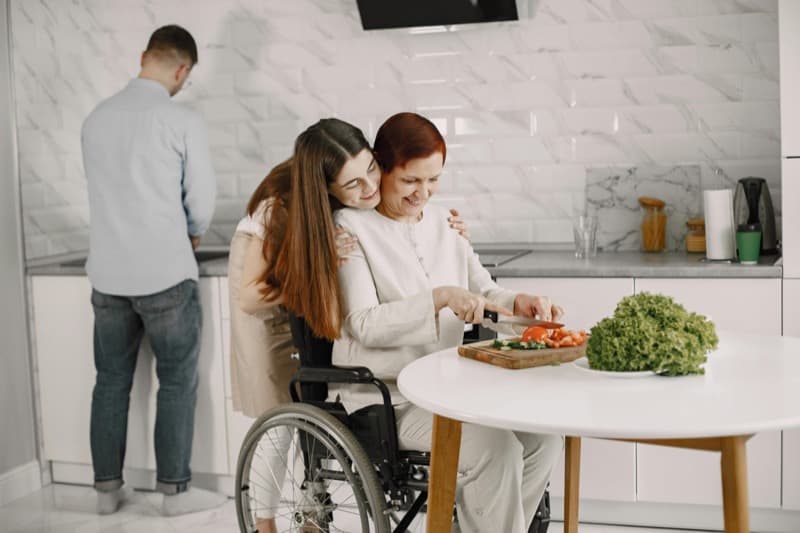
Unlike many exercise interventions, Qigong does not require a minimum level of physical function to begin. The entire practice can be done seated — in a chair, on a bed, or in a wheelchair — without losing its core benefits.
The Four Things MS Patients Report Most
Practitioners with MS who take up Qigong consistently report improvements in four areas above all others. These are worth understanding before starting a practice, because knowing what to look for makes it easier to notice changes.
FatigueMS-related fatigue is distinct from ordinary tiredness — it is not resolved by rest, it often worsens in heat, and it can be unpredictable from day to day. Qigong addresses fatigue through two mechanisms: it regulates the autonomic nervous system (reducing the high baseline sympathetic activation that many people with MS carry), and it improves sleep quality through its effect on cortisol rhythms and melatonin production.
Most practitioners notice improvements in energy within two to four weeks of daily practice, often before they notice changes in physical function.
Spasticity and muscle tensionSlow, sustained movement — the hallmark of Qigong — is one of the most effective interventions for spasticity. The gentle, repetitive activation and release of muscle groups reduces resting muscle tone over time. Practitioners frequently report that morning spasticity is less severe on days when they have practised, and that they need less time to "loosen up" before daily activities.
Mood and emotional regulationDepression affects roughly half of all people with MS at some point in the course of their condition. Qigong practice consistently improves mood scores in clinical populations — an effect attributed to its combination of rhythmic movement, controlled breathing, and focused attention, all of which activate the parasympathetic nervous system and regulate the stress response.
Body awareness and proprioceptionMS can disrupt proprioception — the sense of where your body is in space. Qigong's emphasis on slow, mindful movement with attention directed inward rebuilds proprioceptive awareness over time. This has practical benefits for balance, coordination, and the confidence to move.
What a Seated Qigong Practice Looks Like for Someone with MS
A seated Qigong practice for MS does not look like a modified standing practice. It is designed from the ground up for the seated body — movements that make sense from the hips up, breathing practices that work with the diaphragm and ribcage, and self-massage sequences that stimulate circulation and release tension without requiring standing balance.
A typical session runs 20–30 minutes and might include:
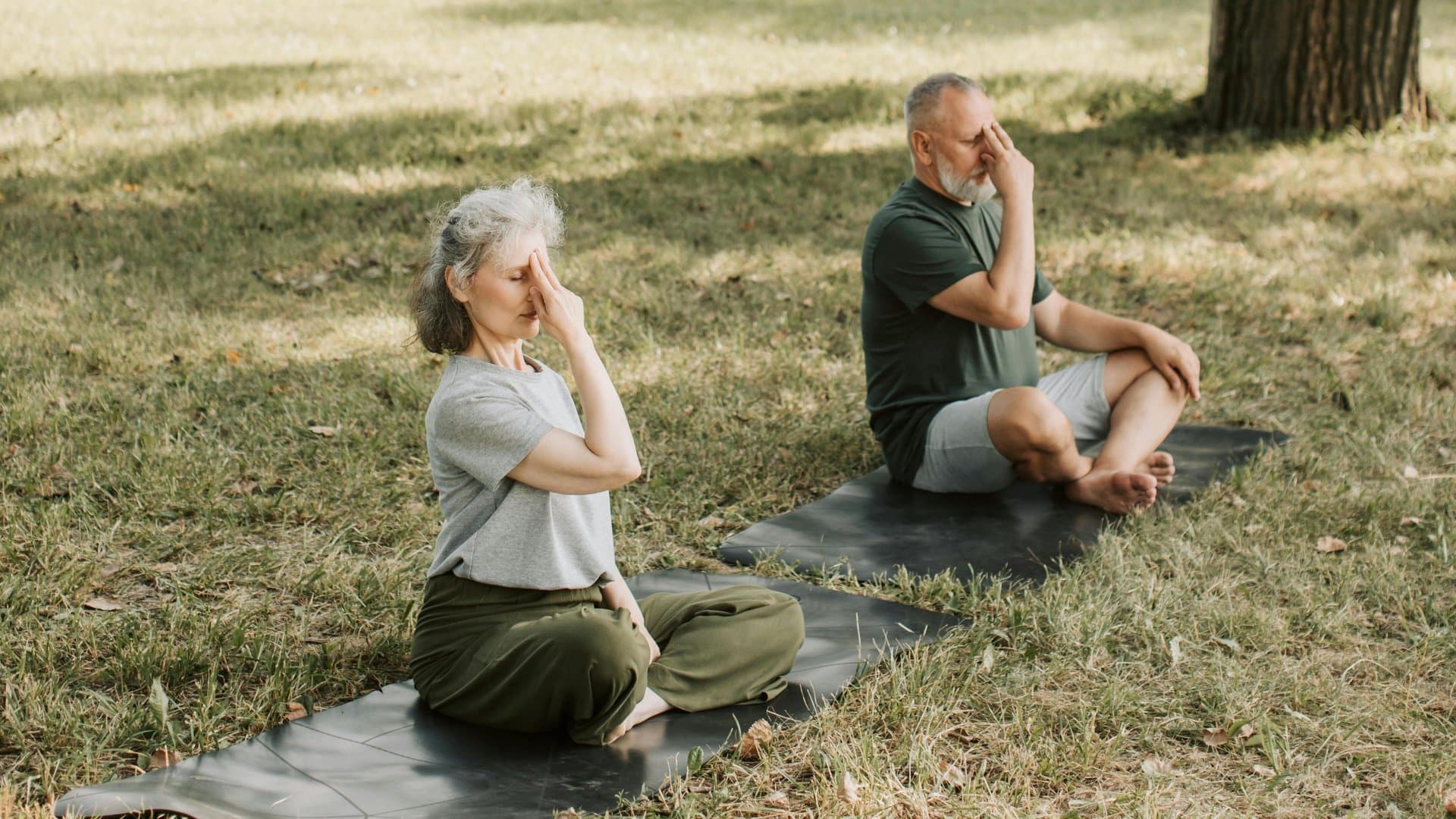
Opening breathwork (5 minutes). Slow, deep abdominal breathing — inhale for 4 counts, hold briefly, exhale for 6–8 counts. This activates the parasympathetic nervous system before movement begins and is one of the most reliably effective components for fatigue and anxiety.
Upper body Qigong (10 minutes). Slow arm raises, shoulder rolls, spinal rotations, and chest-opening movements. These stimulate the Lung and Heart meridians, improve thoracic mobility, and work the muscles most affected by desk-based posture or prolonged wheelchair use.
Self-massage (5 minutes). Tapping along the arms, rubbing the lower back over the kidneys, and pressing key acupressure points. This stimulates circulation and lymphatic drainage in areas that don't receive movement through lower-body exercise.
Closing meditation (5 minutes). Resting awareness on the lower abdomen, following the breath, and allowing the body to settle after movement. This consolidates the benefits of the practice and is particularly effective for sleep quality when done in the evening.
For more on how self-massage and meridian tapping work in Chinese medicine, see our guide to Qigong tapping and meridian exercises.
If you'd like a structured programme covering movement, breathwork, sleep, nutrition, and brain health — all from a wheelchair — we have a free course — Chair Wellness: Holistic Health for Wheelchairs Users.
Heat Sensitivity and Pacing
Many people with MS experience Uhthoff's phenomenon — a temporary worsening of symptoms when body temperature rises. Qigong is one of the few movement practices that is genuinely low-heat: the slow pace and emphasis on relaxation rather than exertion means core temperature rarely rises during a session.
That said, pacing is important. On high-fatigue days, a 10-minute practice is better than a 30-minute one and far better than no practice at all. Qigong is not a practice where more effort produces more benefit — the goal is to find the level of movement that feels easy, and work from there.
Qigong for Specific MS Symptoms
For hand and arm tremorVery slow, deliberate movements — moving the arms through space at a pace slow enough that tremor is minimised — strengthen the neuromuscular pathways that regulate intentional movement. Many practitioners find that tremor reduces noticeably during and immediately after Qigong practice.
For cognitive fogQigong requires sustained attention to sensation, breath, and movement — a form of active cognitive engagement that is distinct from passive rest. Regular practice has been associated with improvements in working memory and processing speed in populations with neurological conditions, likely through its effect on stress hormones and sleep quality.
For bladder urgencyPelvic floor awareness and deep abdominal breathing — both components of Qigong practice — support bladder control. This is an underreported benefit that practitioners often notice after several weeks of consistent practice.
For painNeuropathic pain — one of the most difficult MS symptoms to manage — responds to Qigong through its effect on the nervous system's overall arousal state. When the system is less reactive (lower sympathetic activation, better sleep, reduced anxiety), pain signals are processed differently. Several studies have shown significant reductions in neuropathic pain after 8–12 weeks of regular Qigong practice.
Starting a Practice: What to Expect in the First Month
Week one is usually about finding the right pace and getting used to the sensation of deliberately slow movement. Many people find it harder than expected to move slowly — the tendency is to rush through the movements. This is normal, and it settles quickly.
By week two, most practitioners report sleeping slightly better, and the morning "settling in" period — where the body takes time to become functional after waking — tends to shorten.
By week three or four, the practice begins to feel genuinely different. Movements that felt effortful become easier, the breath becomes more natural, and the calming effect after the session becomes more pronounced.
Progress in Qigong is usually felt before it is measured. The improvements in energy, mood, and ease of movement typically precede any objective changes in clinical assessments by several weeks.
Finding the Right Practice
Not all Qigong courses are designed with MS or limited mobility in mind. Many assume a standing practitioner, use movements that require lower-body stability, and don't address the specific needs of people with neurological conditions.
A programme designed specifically for people with limited mobility — one that is entirely seated, includes breathwork and self-massage alongside movement, and is paced for someone managing fatigue — will produce far better results than a generic Qigong course adapted on the fly.
If you're managing MS or another condition that limits mobility, see also our posts on wheelchair Taijiquan and adaptive Tai Chi and seated breathwork for wheelchair users — both cover practices that are relevant to managing MS from a holistic perspective.
Frequently Asked Questions
Can Qigong be practised during an MS relapse?
During an active relapse, the most appropriate Qigong is breathwork and gentle self-massage only — no active movement. These practices support the nervous system without adding any physical demand. Once the relapse has stabilised, gentle movement can be reintroduced gradually. Always follow guidance from your neurologist during a relapse.
Does Qigong interfere with MS medication?
No. Qigong is a physical practice with no pharmacological components. It does not interact with disease-modifying therapies, steroids, or any other MS medication. Inform your neurologist that you are practising, as they may want to monitor for changes in symptoms.
How often should I practise?
Daily practice produces the best results. Even 10–15 minutes every day is more effective than a single long session once a week. On difficult days, breathwork alone — 5 minutes of slow deep breathing — maintains the benefits and keeps the habit alive.
Is it safe to practise Qigong if I have balance problems?
Yes. Seated Qigong requires no standing balance. All the movements are performed from a supported seated position, and there is no risk of falling. The practice can actually improve proprioceptive awareness over time, which supports whatever standing balance capacity you do have.
Where can I find a Qigong programme designed for wheelchair users?
Our Chair Wellness course is a 73-lesson holistic health programme built specifically for wheelchair users. It covers seated Qigong and Tai Chi, breathing techniques, sleep optimisation, brain health, nutrition, and psychological wellbeing — all from a chair, all self-paced, and free to access.