Your heart pumps blood around your body, delivering oxygen and nutrients to your tissues. But what happens to the fluid that leaves your blood vessels and collects around your cells?
Some of that fluid returns directly to the bloodstream. The lymphatic system collects much of the remaining fluid and helps return it to circulation.
Unlike blood, lymph does not have a single central pump to move it around your body. Instead, its movement depends on a combination of muscle activity, pressure changes, breathing and the contractions of the lymphatic vessels themselves.
Understanding this process helps explain why regular movement matters and why many claims about lymphatic drainage need a little perspective.
What Is Lymph?
Lymph is a clear or pale fluid that originates largely from fluid that leaves small blood vessels and enters the spaces around your body's cells.
Your tissues need this exchange to deliver oxygen and nutrients and remove substances produced during normal cellular activity.
Much of the fluid returns directly to the blood. The lymphatic system collects excess fluid, along with proteins, immune cells and other materials, and carries it through a network of small vessels.
As lymph travels through this network, it passes through lymph nodes and eventually returns to the bloodstream.
This process helps maintain fluid balance and supports the body's immune defences.
The system is working continuously, even when you are sitting, sleeping or resting.
Why Doesn't Lymph Have a Central Pump?
Blood circulates through a closed network driven by the pumping action of the heart.
The lymphatic system works differently.
Fluid enters tiny lymphatic capillaries in the tissues and gradually moves into larger vessels. These vessels contain valves that help prevent fluid from flowing backwards.
The lymphatic vessels also contain smooth muscle that can contract and help move lymph forwards.
External forces contribute as well. When surrounding skeletal muscles contract, they can compress nearby lymphatic vessels and help move fluid along.
Breathing also changes pressure inside the chest and abdomen, which can influence lymph movement.
The combined effect is a system that relies on several overlapping mechanisms rather than one central pump.
This explains why everyday activities such as walking, reaching, bending and changing position can support normal lymphatic circulation.
For practical examples of gentle movement used to encourage regular activity, see our guide to Chinese lymphatic drainage exercises.
How Your Muscles Help Move Lymph
Imagine the muscles in your legs contracting as you walk.
Each step involves a coordinated sequence of muscular activity and relaxation. These changes create pressure around nearby tissues and vessels.
The lymphatic system can take advantage of those pressure changes to move fluid along its network.
Similar principles apply when you use your arms, turn your body or perform other ordinary movements.
This does not mean that every movement produces a measurable improvement in lymph flow or that more movement is always better. It simply means that physical activity is one of the mechanisms that helps the lymphatic system function.
Regular movement also supports many other aspects of health, including muscle function, joint mobility and cardiovascular fitness.
You do not need to perform a complicated exercise sequence to benefit from being active.
The Role of Breathing
Breathing creates changes in pressure inside your chest and abdomen.
When you breathe in, the diaphragm moves and pressure within the chest changes. When you breathe out, the pressure changes again.
These movements can help influence the flow of lymph through vessels that pass through the chest.
This is one reason breathing is sometimes included in gentle movement practices and certain lymphatic rehabilitation programmes.
However, this should not be confused with the idea that a special breathing technique can dramatically flush toxins from the body.
Comfortable breathing is a useful part of normal movement. Forceful breathing, excessive breath-holding or complicated breathing exercises are not necessary for everyday lymphatic health.
If you would like to explore gentle movement alongside relaxed breathing, our free Qigong for Lymphatic Drainage & Stress Relief course provides guided practices to try at your own pace.
What Happens When Lymph Reaches the Lymph Nodes?
Lymph nodes are small structures positioned along the lymphatic vessels.
They contain immune cells that help your body recognise and respond to potentially harmful organisms and abnormal cells.
As lymph passes through a node, immune cells can encounter material collected from the tissues and help coordinate an appropriate response.
Lymph then continues through the network of vessels.
Eventually, major lymphatic ducts return lymph to the bloodstream through veins near the base of the neck.
This return is important because your tissues constantly exchange fluid with the blood. Without an effective lymphatic system, fluid could accumulate in the tissues.
The lymphatic system is therefore not simply a drainage channel. It also plays an essential role in immune function and the maintenance of fluid balance.
Does Sitting Too Much Stop Lymph Flow?
Your lymphatic system does not stop working just because you sit still.
However, prolonged inactivity reduces the amount of regular muscle activity taking place, including the contractions that can help move lymph through surrounding vessels.
Breaking up long periods of sitting with short walks, standing or comfortable movement is a practical way to reduce inactivity and support general health.
You do not need to follow a rigid schedule. Try linking movement to activities you already do, such as walking after a meal, standing up between work tasks or taking a short movement break when you make a drink.
If you have a condition that affects lymphatic drainage, follow the advice of your healthcare team because your needs may be different.
Do You Need to Stimulate Your Lymphatic System?
For most healthy people, the lymphatic system performs its everyday functions without needing a special routine.
Regular physical activity, adequate nutrition and appropriate hydration support general health, but there is no need to constantly stimulate or cleanse your lymphatic system.
Lymphatic drainage massage has specific medical uses, including as part of treatment for some people with lymphoedema. It is not the same as a general wellness massage, and the correct technique can matter when managing a medical condition.
Claims that everyone needs lymphatic detox treatments to remove toxins, boost immunity or prevent ordinary bloating go beyond the available evidence.
If you notice persistent or unexplained swelling, it is more useful to identify the cause than to assume your lymphatic system needs stimulation.
A Simple Way to Support Everyday Movement
You can support an active lifestyle without turning it into a complicated health routine.
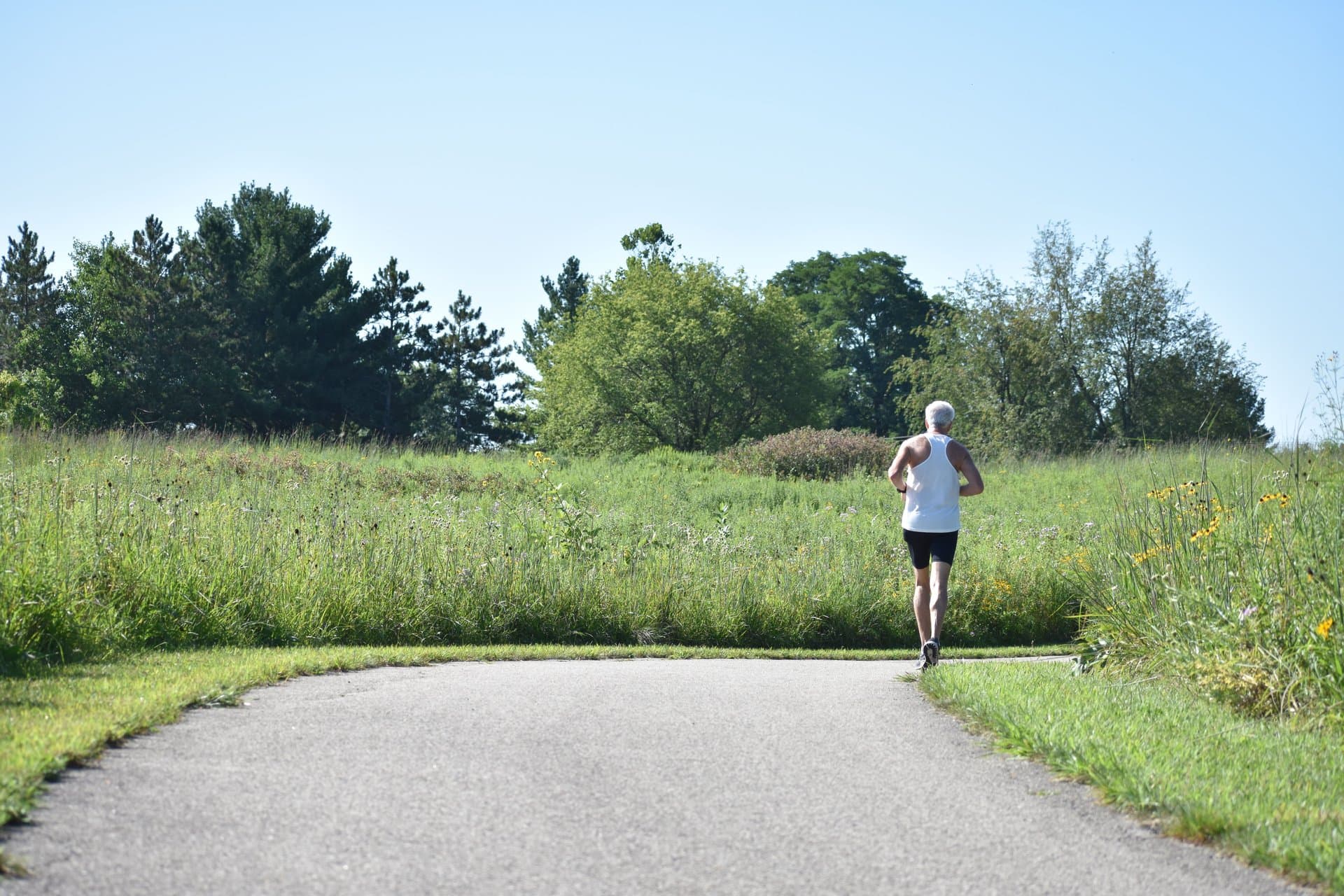
Walk regularly at a pace that feels comfortable.
Change position throughout the day rather than remaining still for long periods.
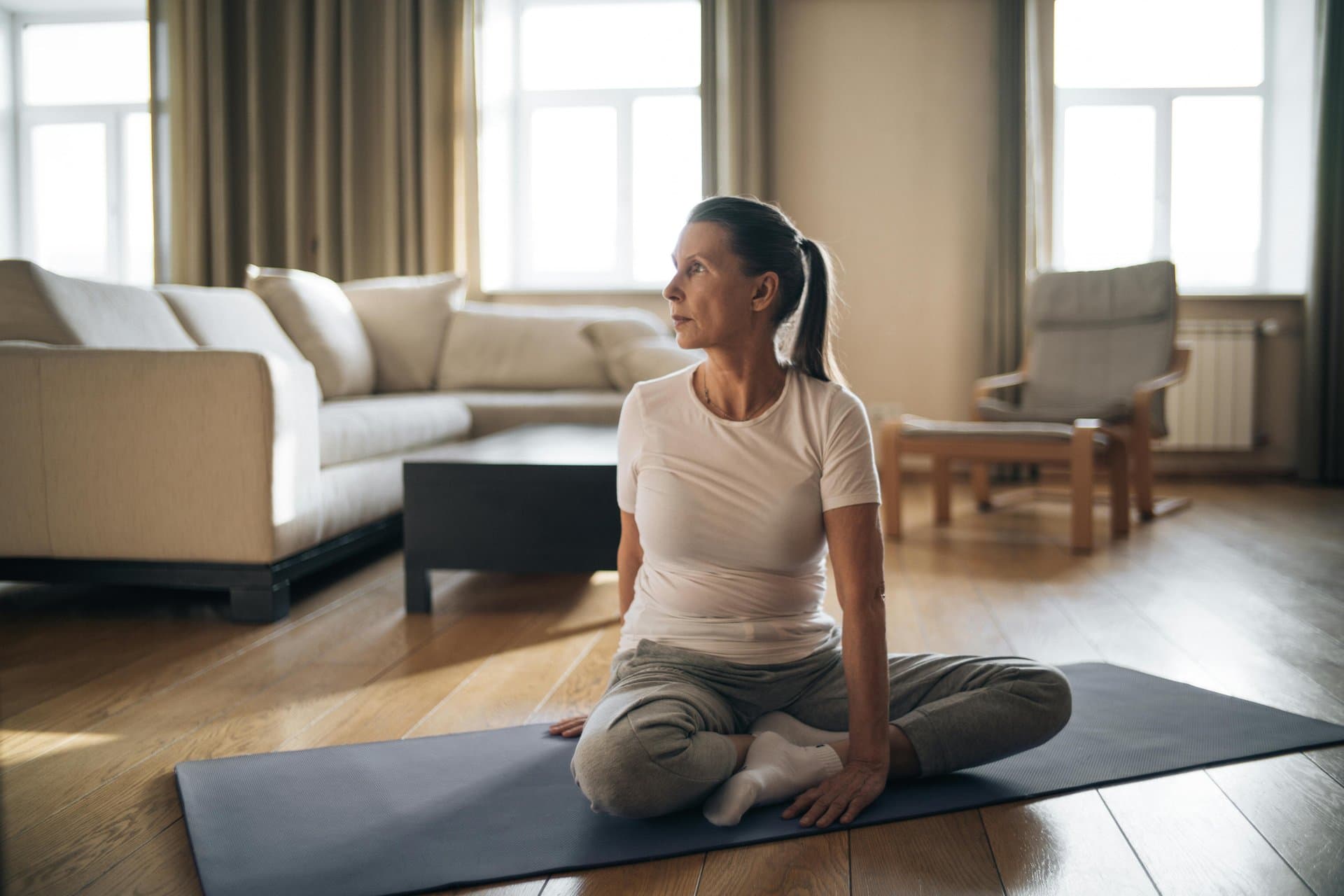
Move your shoulders, arms and legs through comfortable ranges of motion.
Breathe naturally while you move, and avoid forcing movements that cause pain or dizziness.
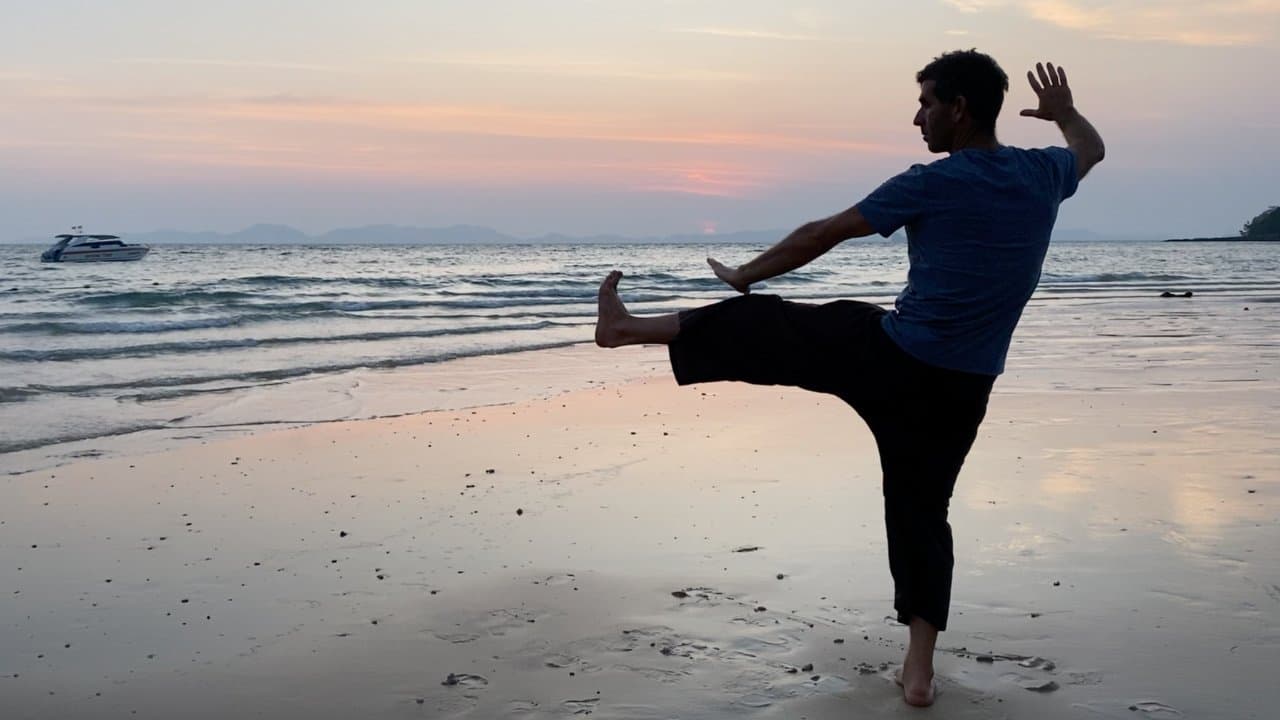
Practices such as Qi Gong and Tai Chi can offer a structured way to combine gentle movement, attention and breathing. They can be useful options for people who enjoy moving with greater awareness.
They should be viewed as forms of physical activity and mindful practice, not as a substitute for medical treatment when a lymphatic problem is present.
Bringing It All Together
Lymph moves through your body through a combination of vessel contractions, muscle activity, breathing-related pressure changes and one-way valves.
These mechanisms allow fluid collected from your tissues to travel through the lymphatic network, pass through lymph nodes and eventually return to the bloodstream.
This happens continuously without requiring a special detox routine.
Regular movement is a practical way to support overall health and participate in one of the mechanisms that helps lymph travel through the body.
Rather than searching for a perfect lymphatic exercise, focus on a sustainable routine that includes walking, comfortable movement and regular breaks from sitting.
Frequently Asked Questions
Does lymph flow all the time?
Yes. The lymphatic system operates continuously, although lymph movement changes in response to factors such as muscle activity, breathing and the condition of the lymphatic vessels.
What helps move lymph through the body?
Lymph movement depends on several mechanisms, including contractions of lymphatic vessels, surrounding muscle activity, breathing-related pressure changes and valves that help keep fluid moving forwards.
Does walking improve lymphatic circulation?
Walking involves repeated muscle contractions that help support normal lymph movement. For people with healthy lymphatic systems, there is no need to use a special walking technique to obtain this benefit.
Can you feel lymph moving through your body?
Usually not. Lymph generally moves through vessels that you cannot feel directly. Sensations such as pressure, tingling or swelling are not reliable ways to measure lymph flow.