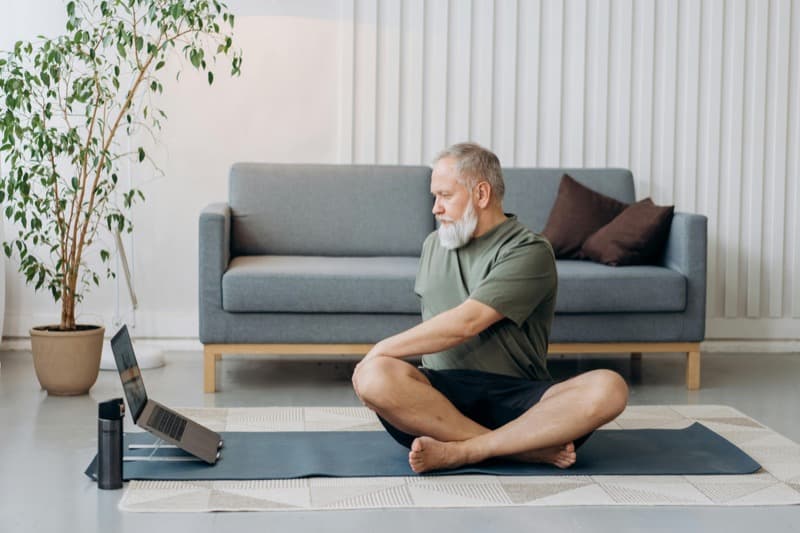
Fibromyalgia can make everyday life feel unexpectedly difficult.
Pain may move around the body.
Muscles may feel tense or exhausted.
Sleep may not feel restorative.
Even simple physical activity can sometimes leave you feeling worse rather than better.
For many people living with fibromyalgia, the challenge is not simply finding a way to exercise more.
It is finding movement that the body can tolerate and gradually build into a sustainable routine.
This is where gentle mind-body practices such as Qi Gong, Tai Chi, adapted yoga, breathwork, meditation, and relaxation may have an important role to play.
They are not cures for fibromyalgia.
But research suggests that movement and mind-body practices may help some people manage symptoms and improve quality of life as part of a broader approach to care.
What Is Fibromyalgia?
Fibromyalgia is a long-term condition commonly associated with widespread pain and increased sensitivity to pain.
People may also experience:
Fatigue
Sleep difficulties
Stiffness
Headaches
Difficulty concentrating or thinking clearly
Sensitivity to touch, temperature, or other sensations
Symptoms can vary significantly from one person to another.
This is one reason there is no single approach that works for everyone.
Fibromyalgia is also not simply a problem with the muscles or joints.
The way the nervous system processes pain and other sensory information appears to be an important part of the condition.
Why the Nervous System Matters
The nervous system constantly receives information from the body.
It processes sensations and helps the brain decide how to respond to them.
In fibromyalgia, research suggests that the way pain is processed can be altered, contributing to increased sensitivity.
This does not mean that the pain is imagined or "all in the mind."
The pain is real.
Understanding how to support the nervous system daily can be a useful part of managing this. It means that the nervous system and the systems involved in processing pain are an important part of understanding what may be happening.
This is also why a broader approach can be helpful.
Supporting the body may involve more than focusing on the painful area itself.
It may also involve:
Movement
Sleep
Stress management
Relaxation
Emotional wellbeing
Gradually rebuilding physical activity
Why Exercise Can Feel Complicated
Movement is generally considered an important part of managing fibromyalgia.
However, that does not mean that more exercise is always better.
Someone living with fibromyalgia may already be dealing with:
Pain
Fatigue
Poor sleep
Muscle tension
Reduced confidence in movement
Pushing too hard can make it difficult to continue.
This is why starting gently and building gradually is important.
Clinical guidance recommends physical activity and exercise as important parts of fibromyalgia management, while emphasising that people should begin at a level they can manage and gradually increase activity over time.
Gentle Movement Gives the Body Another Option
Gentle movement does not mean doing nothing.
It means finding a level of activity that challenges the body without overwhelming it.
This may include:
Slow Qi Gong movements
Tai Chi
Adapted yoga
Gentle mobility exercises
Walking
Light stretching
Relaxed breathing exercises
The aim is to create regular movement without treating every session like a test of physical endurance.
For some people, this can make movement feel more approachable.
Why Qi Gong May Be Helpful
Qi Gong combines slow movement, breathing, posture, and focused attention.
The movements are usually performed in a relaxed and controlled way.
This makes Qi Gong very different from high-intensity exercise.
A gentle Qi Gong practice may include:
Slow weight shifting
Gentle spinal movement
Shoulder and joint mobility
Coordinated breathing
Relaxed standing
Mindful awareness of the body
The practice can be adapted to different abilities and energy levels.
Research into mind-body exercise therapies, including Qi Gong, Tai Chi, and yoga, suggests potential benefits for people with fibromyalgia, although the quality and amount of evidence varies between practices and outcomes.
Tai Chi and Fibromyalgia
Tai Chi is another gentle movement practice that may be useful for people with fibromyalgia.
It combines slow, flowing movements with balance, breathing, and focused attention.
This combination may make it easier to practise regularly than some forms of more intense exercise.
Studies have found that Tai Chi can provide modest improvements in some fibromyalgia symptoms, and research into mind-body exercise continues to develop.
The important point is not that Tai Chi is a cure.
It is that a sustainable form of movement may become a useful part of someone's overall approach to managing their condition.
Adapted Yoga Can Support Movement and Relaxation
Yoga can also be adapted for people living with fibromyalgia.
This does not necessarily mean performing demanding poses or trying to achieve a particular level of flexibility.
A gentler approach may focus on:
Comfortable movement
Breathing
Relaxation
Body awareness
Supported positions
The practice should be adapted to the individual.
The aim is not to push through pain.
It is to explore movement in a way that feels manageable and sustainable.
Yoga is also included among mind-body approaches that may help some people with fibromyalgia, although the evidence continues to develop and results are not the same for everyone.
The Role of Breathing and Relaxation
Living with persistent pain can be stressful.
Pain can affect sleep.
Poor sleep can contribute to fatigue.
Fatigue can make movement more difficult.
This can create a difficult cycle.
Breathing and relaxation practices may help provide a way to interrupt some of the tension that builds throughout the day.
Simple practices may include:
Slow breathing
Mindfulness
Guided relaxation
Body awareness
Meditation
The aim is not to make pain disappear instantly.
It is to create periods of calm and recovery.
Mindfulness and other meditation approaches may provide short-term improvements in pain and quality of life for some people, although the available evidence is still limited and varies in quality.
Pacing Is More Important Than Pushing
One of the most important ideas for anyone with fibromyalgia is learning to manage activity levels.
It can be tempting to do as much as possible on a day when symptoms feel better.
But doing too much can sometimes make it harder to remain active consistently.
A more sustainable approach is to:
Start with a manageable amount of activity
Avoid treating every session as a test
Take breaks when needed
Pay attention to how your body responds
Build gradually over time
The goal is to develop a routine that can be repeated.
Consistency matters.
A Gentle Practice Can Still Be Valuable
A practice does not have to be long to be worthwhile.
For someone living with fibromyalgia, a session might begin with:
A few minutes of gentle movement
Slow, comfortable breathing
Simple mobility exercises
A short period of relaxation
On another day, more movement may feel manageable.
On another day, less may be appropriate.
There is no need for every practice to look the same.
The goal is to develop a relationship with movement that is flexible enough to adapt to real life.
What If Movement Makes Symptoms Worse?
Some discomfort or fatigue can occur when beginning or changing physical activity.
However, severe or persistent worsening of symptoms should not simply be ignored.
If a particular activity consistently makes symptoms worse, the intensity, duration, or type of movement may need to be adjusted.
A healthcare professional, physiotherapist, or other qualified practitioner can help someone develop an approach that is appropriate for their individual situation.
Bringing It All Together
Fibromyalgia is a complex condition.
It affects more than just the muscles and joints, and there is no single practice that can provide a solution for everyone.
However, the connection between pain processing, movement, sleep, stress, and the nervous system helps explain why a broader approach can be useful.
Gentle practices such as Qi Gong, Tai Chi, adapted yoga, breathing, meditation, and relaxation may offer accessible ways to support movement and wellbeing.
The goal is not to force the body.
It is not to push through pain.
And it is not to search for a miracle cure.
It is to find manageable practices that can be adapted to the individual and repeated consistently over time.
For some people with fibromyalgia, gentle movement may be the beginning of rebuilding confidence in their body, one small practice at a time.
Important: Fibromyalgia should be diagnosed and managed with appropriate healthcare support. Gentle movement and mind-body practices should complement, not replace, personalised medical care. Anyone with a new, worsening, or unexplained symptom should seek advice from a qualified healthcare professional.