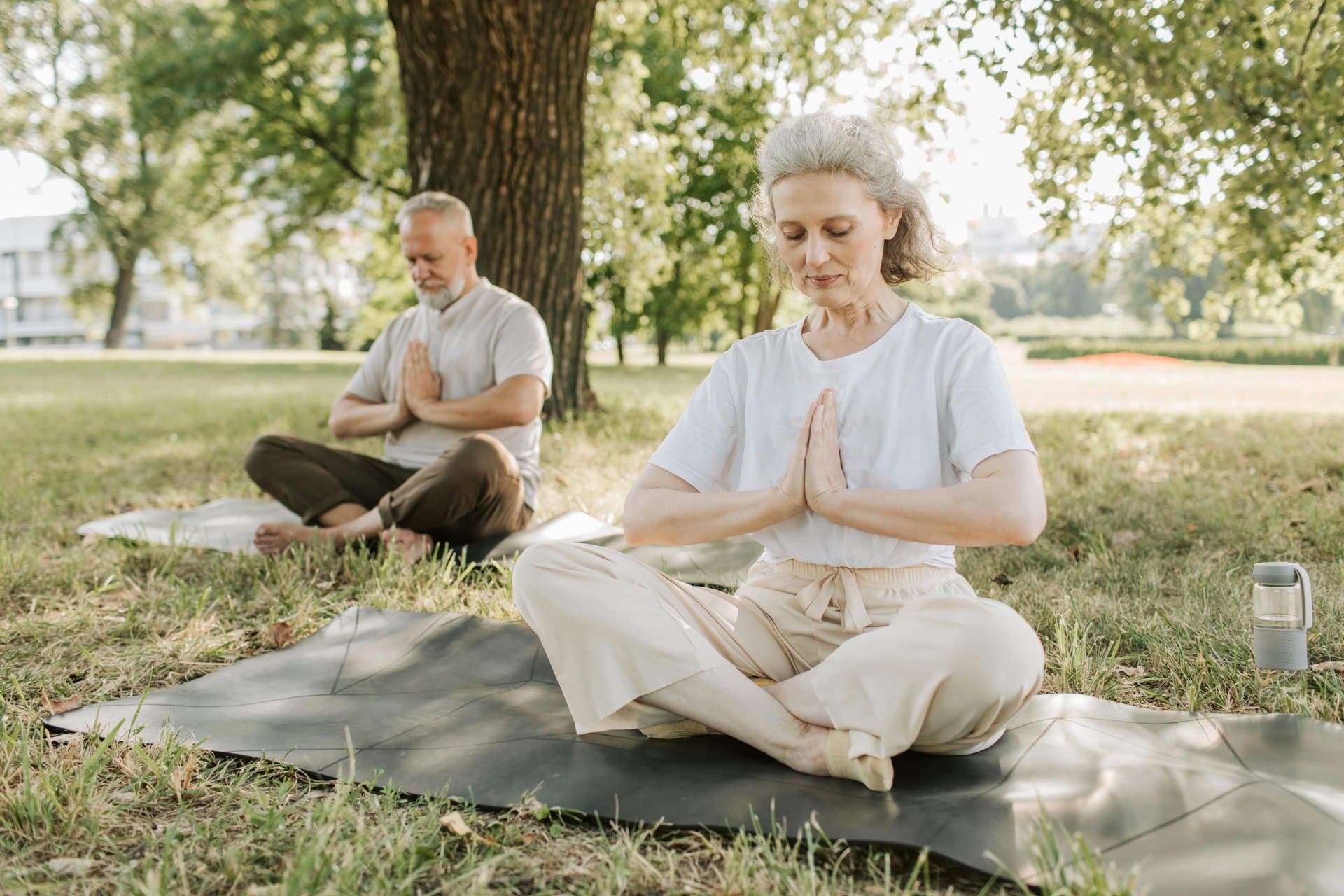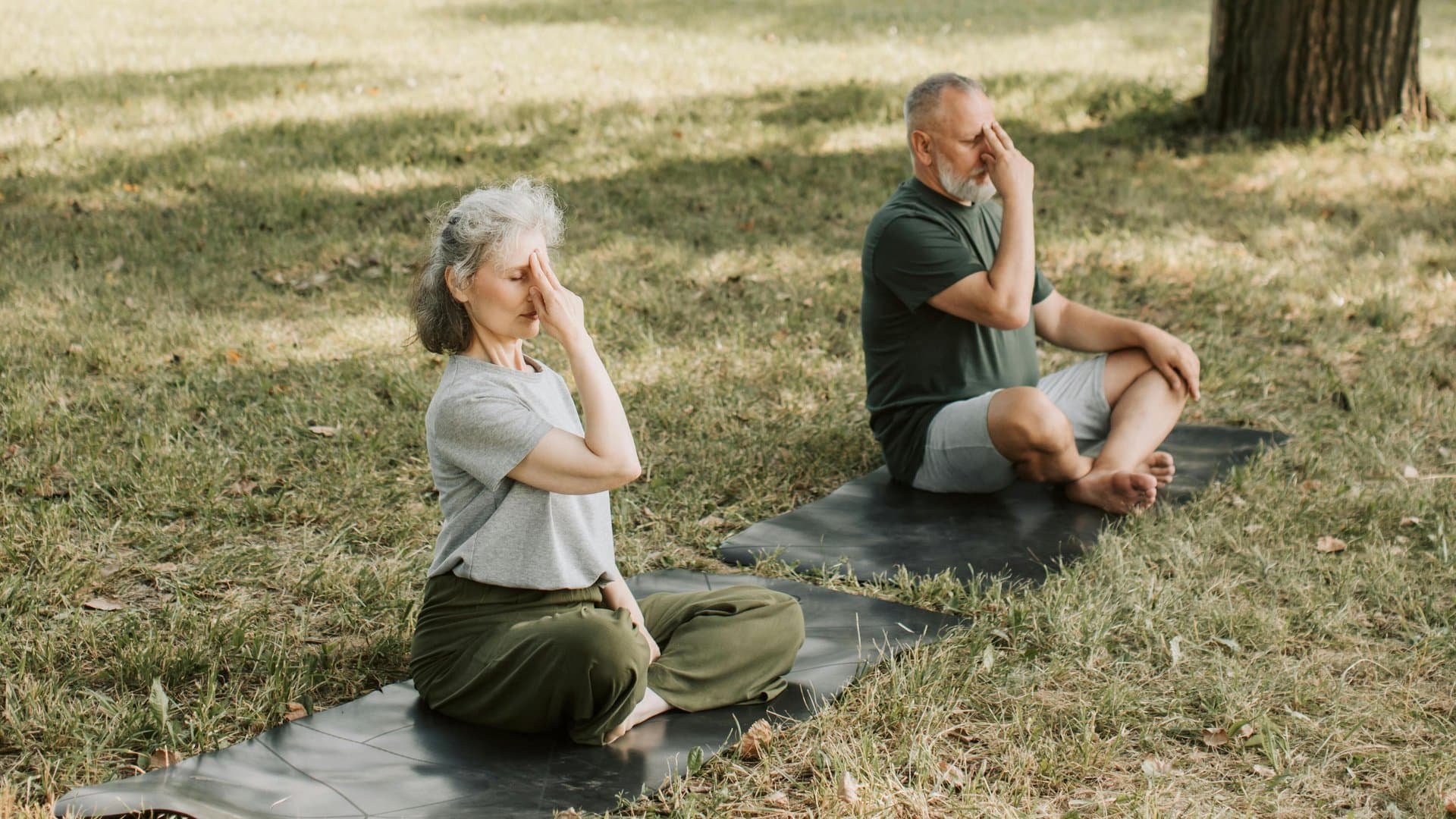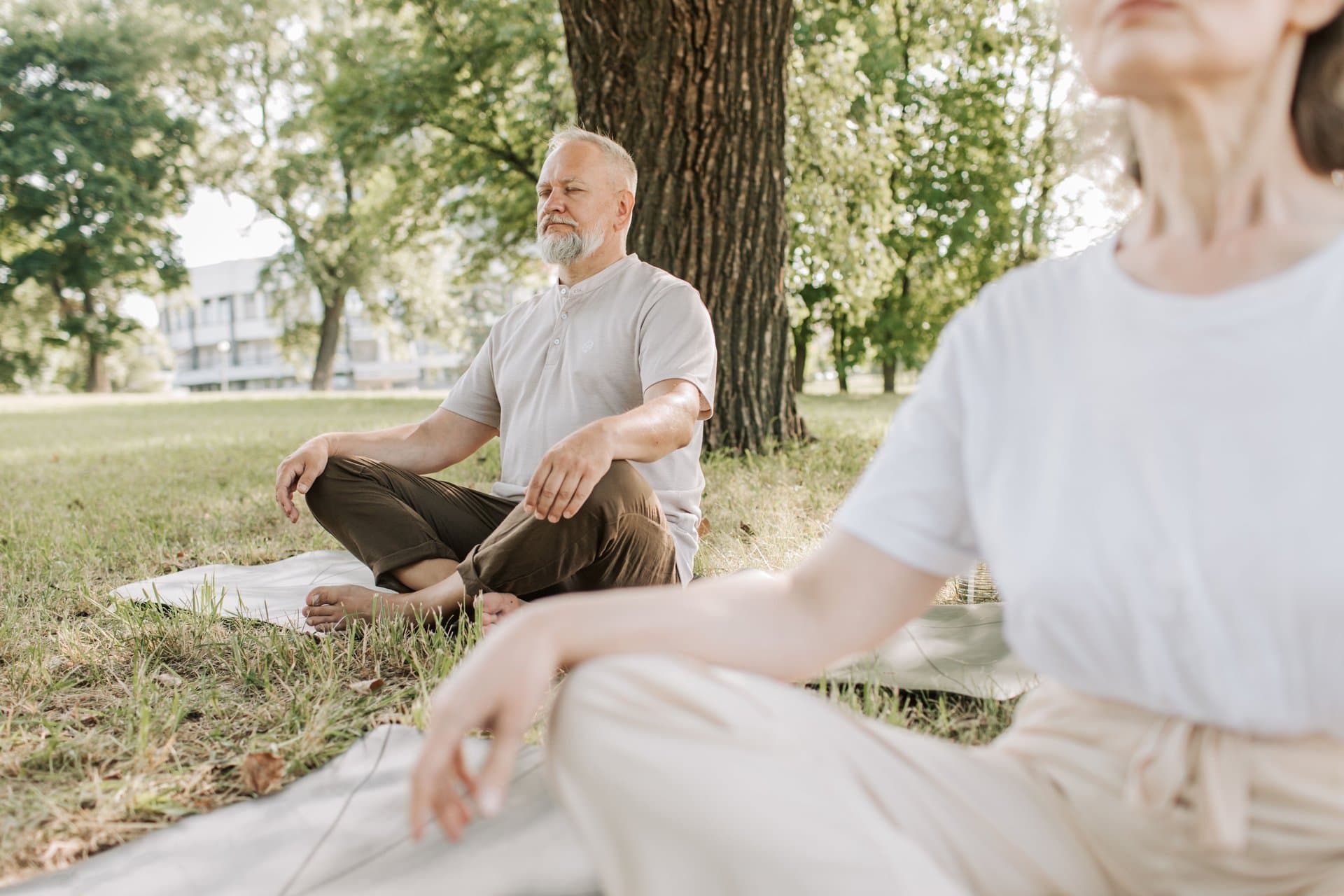
Anxiety can affect much more than the mind. It can change the way you breathe, increase muscle tension and leave the body feeling as though it is constantly preparing for something to happen.
Somatic breathwork for anxiety offers a gentle way to work with this mind-body connection. Rather than trying to suppress anxious thoughts, it brings attention to physical sensations and uses the breath to encourage a calmer, more regulated state.
The goal is not to force yourself to relax.
It is to give your nervous system the opportunity to slow down.
Why Anxiety Changes the Way We Breathe
When we feel stressed or threatened, the body's natural alert system becomes more active.
Breathing may become faster or shallower. The shoulders can rise, the jaw may tighten and the muscles around the chest and abdomen can become more rigid.
If stress continues for long periods, these patterns can become habitual.
You might notice:
Tightness across the chest
Shallow breathing
Tension in the shoulders or jaw
Difficulty taking a comfortable breath
Restlessness
A constant feeling of being "switched on"
This is where somatic practices can be helpful.
Instead of focusing exclusively on changing your thoughts, somatic work encourages you to notice what is happening physically.
You may begin by simply noticing your breathing.
Is it fast or slow?
Is your belly moving?
Are your shoulders tense?
Can you soften them without forcing anything?
This simple awareness can be the beginning of nervous system regulation.
The Vagus Nerve and the Parasympathetic Nervous System
The vagus nerve is one of the body's major communication pathways between the brain and internal organs.
It is involved in the parasympathetic branch of the autonomic nervous system, which supports functions associated with rest, digestion and recovery.
This is why breathing is often discussed alongside the vagus nerve.
However, it is important to be realistic about what breathing exercises can do.
You cannot simply "reset" your vagus nerve like switching a device off and on.
The nervous system is constantly responding to your environment, thoughts, emotions, breathing and physical state.
Slow, comfortable breathing can nevertheless influence autonomic activity and may help reduce feelings of physiological arousal.
For some people, this creates a valuable sense of calm.
3 Somatic Breath Practices for Anxiety
You do not need complicated techniques to begin.
These three practices offer different ways of using breathing to become more aware of the body and encourage relaxation.
1. The Physiological Sigh
The physiological sigh is a natural breathing pattern that involves two inhalations followed by a longer exhalation.
Try it gently:
Take a slow breath in through your nose.
Take a second, smaller inhale before exhaling.
Slowly breathe out through your mouth.
Repeat for a few cycles.
The second inhale helps expand the lungs before the longer exhale.
Keep the breaths comfortable rather than trying to fill your lungs completely.
This can be particularly useful when you feel suddenly tense or overwhelmed.
2. Box Breathing
The box breathing technique uses four equal stages:
Inhale for 4 seconds
Hold for 4 seconds
Exhale for 4 seconds
Hold for 4 seconds
Repeat for several cycles.
Box breathing is often used in situations where people need to remain calm and focused.
However, breath holding does not feel comfortable for everyone.
If holding your breath increases anxiety, simply remove the pauses and practise slow, even breathing instead.
The best breathing technique is one that makes you feel more comfortable, not more stressed.
3. Diaphragmatic Belly Breathing
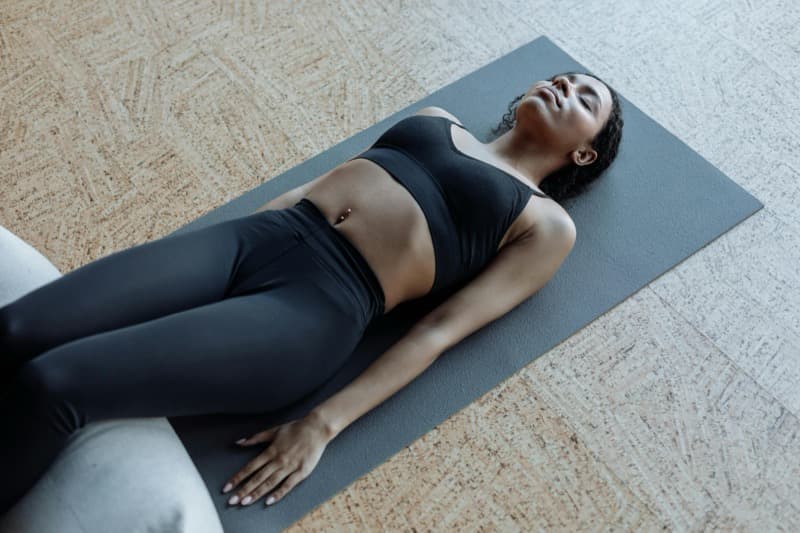
Lie down or sit comfortably and place one hand on your chest and the other on your abdomen.
Breathe gently through your nose.
As you inhale, allow the abdomen to expand naturally. As you exhale, let it soften.
You do not need to push your stomach out or take enormous breaths.
The purpose is to allow the diaphragm to move naturally while reducing unnecessary tension through the chest and shoulders.
Practising diaphragmatic breathing for stress can be particularly useful when shallow chest breathing has become a habitual response to tension.
Adding Gentle Somatic Movement
Breathing does not have to happen while sitting completely still.
Combining breath with gentle movement can make the practice feel more natural and physical.
Try slowly raising your arms as you inhale and lowering them as you exhale.
You could also gently roll your shoulders, turn your head from side to side or slowly rotate through the upper body.
The movements should remain small and comfortable.
There is no need to stretch deeply.
The purpose is to reconnect movement with breathing and increase awareness of how your body feels.
This is also where somatic yoga for nervous system regulation can be useful. Rather than treating yoga as a performance or flexibility challenge, somatic approaches encourage you to explore movement slowly and pay attention to physical sensations.
What About Fascia and Anxiety?
You may hear claims that anxiety becomes "stored" in the fascia.
The reality is more complicated.
Fascia is connective tissue that surrounds and connects structures throughout the body. Stress can certainly influence muscle tension, posture and movement patterns, which in turn can affect how the body feels.
But there is not strong evidence that emotions are literally stored inside fascia.
A more useful way to think about the connection is that prolonged stress can contribute to habitual physical tension.
Gentle movement, breathing and body awareness may help you recognise these patterns and gradually soften them.
This is one of the reasons somatic practices can feel surprisingly physical even when the movements themselves are very gentle.
Making Breathwork Part of Everyday Life
You do not have to wait until you feel extremely anxious before practising.
In fact, regular short practices may be easier to maintain than only using breathing exercises during stressful moments.
Try incorporating a few minutes of breathing into:
Your morning routine
A break during the working day
Your evening wind-down
Time spent sitting quietly
Gentle movement or stretching
The goal is not to eliminate anxiety completely.
Everyone experiences stress and anxiety from time to time.
The aim is to develop greater awareness of how your body responds and build simple tools that can help you move towards a calmer state.
Frequently Asked Questions
Can somatic breathwork help with anxiety?
Somatic breathwork may help some people reduce physical arousal and become more aware of the connection between breathing, thoughts and bodily sensations.
It should be viewed as a supportive practice rather than a cure for anxiety.
What are the best vagus nerve reset exercises?
There is no single exercise that literally resets the vagus nerve.
Slow breathing, gentle movement, relaxation and practices that encourage a comfortable parasympathetic state can all be useful ways of supporting nervous system regulation.
How often should I practise?
Start with five minutes a day.
You can gradually increase the time if it feels comfortable, but consistency is more important than duration.
Can breathwork make anxiety worse?
Yes, for some people.
Certain breathing techniques, particularly prolonged breath holding or very deep and rapid breathing, can produce uncomfortable sensations such as dizziness, tingling or a racing heartbeat.
If a technique makes you feel worse, stop and return to your normal breathing.
There is no benefit in forcing yourself through discomfort.
Bringing It All Together
Somatic breathwork for anxiety is not about finding a magic breathing technique that switches anxiety off.
It is about developing a better relationship with your body.
When you notice your breathing, soften unnecessary tension and introduce gentle movement, you give yourself a simple opportunity to step out of automatic patterns and create a little more space.
Start small.
A few slow breaths.
A gentle shoulder roll.
A quiet moment to notice how you feel.
These practices may seem simple, but their value comes from returning to them consistently.
And if anxiety is persistent, overwhelming or interfering with everyday life, breathwork should complement rather than replace appropriate professional support.