Fear of Falling Is Not Just Psychological
Most people assume that fear of falling is a natural reaction after a fall — a kind of emotional scar that fades with time. But the research tells a more complicated story. Fear of falling is itself a significant risk factor for future falls, independent of physical condition, balance ability, or fall history.
The mechanism is well understood. When we move with fear, we move differently. We shorten our stride, stiffen our joints, hold our breath, and tense muscles that should be relaxed. This altered movement pattern — called a "cautious gait" — actually increases instability. The very fear of falling makes falling more likely.
This is why addressing the psychological dimension of fall risk is as important as addressing the physical one. And it is why Tai Chi, which works on both simultaneously, has become one of the most recommended practices for fall prevention in older adults.
What Happens to the Body When We Move with Fear
Fear activates the body's stress response. Cortisol rises, muscles tense, breathing becomes shallow, and attention narrows. In the context of movement, this creates a specific set of problems.
Shortened stride and reduced clearanceWhen we're afraid of falling, we instinctively take shorter steps and lift our feet less. This reduces the distance between foot and floor — increasing the risk of tripping on small obstacles, uneven surfaces, and transitions between floor types (carpet to tile, for example).
Increased muscle co-contractionFearful movement involves simultaneous tensing of opposing muscle groups — the muscles that flex and extend a joint both activate at once. This reduces the fluid, responsive quality of movement and makes it harder to react quickly to a loss of balance.
Reduced peripheral awarenessWhen attention narrows under stress, we lose peripheral vision and body awareness. We become less able to scan the environment for hazards, and less able to sense early shifts in our centre of gravity that would normally trigger a corrective step.
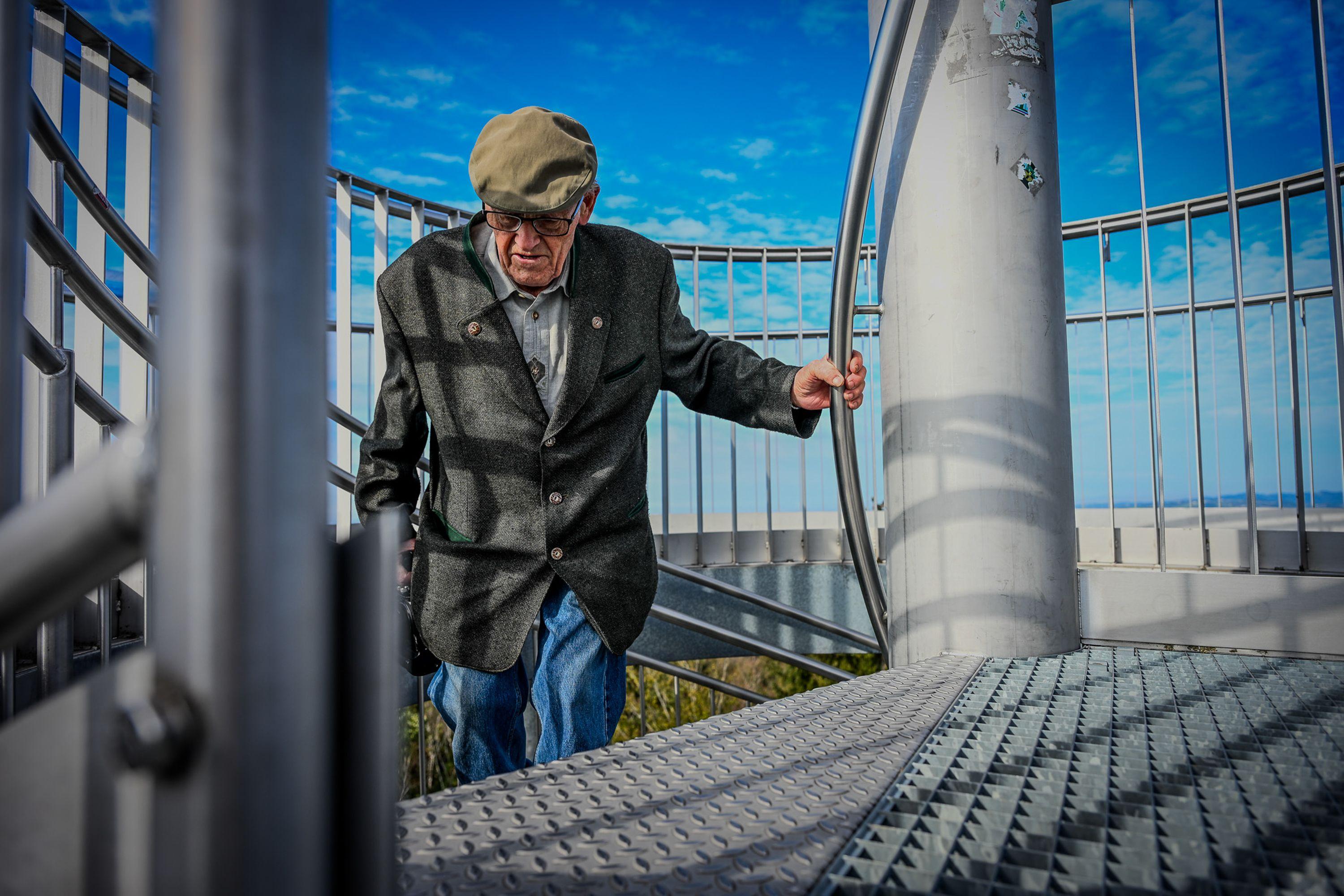
Avoidance of movementOver time, fear of falling leads many older adults to restrict their activities — going out less, avoiding stairs, stopping hobbies that involve movement. This restriction reduces physical fitness and social engagement, both of which are themselves risk factors for falls and declining health.
How Tai Chi Addresses Fear of Falling Directly
Tai Chi is unique among movement practices in that it was not designed for fitness, strength, or flexibility. It was designed for the cultivation of yi — intentional awareness — and song — the ability to release unnecessary tension. These qualities are exactly what fear of falling removes, and exactly what Tai Chi restores.
Slow, deliberate movement rebuilds confidenceEvery Tai Chi movement is performed slowly enough that the practitioner has time to notice, adjust, and explore. This deliberate pace removes the sense of urgency that accompanies fearful movement and gradually replaces it with a sense of control. After several weeks of practice, many people find that their movement in daily life becomes calmer and more intentional — not just during practice sessions.
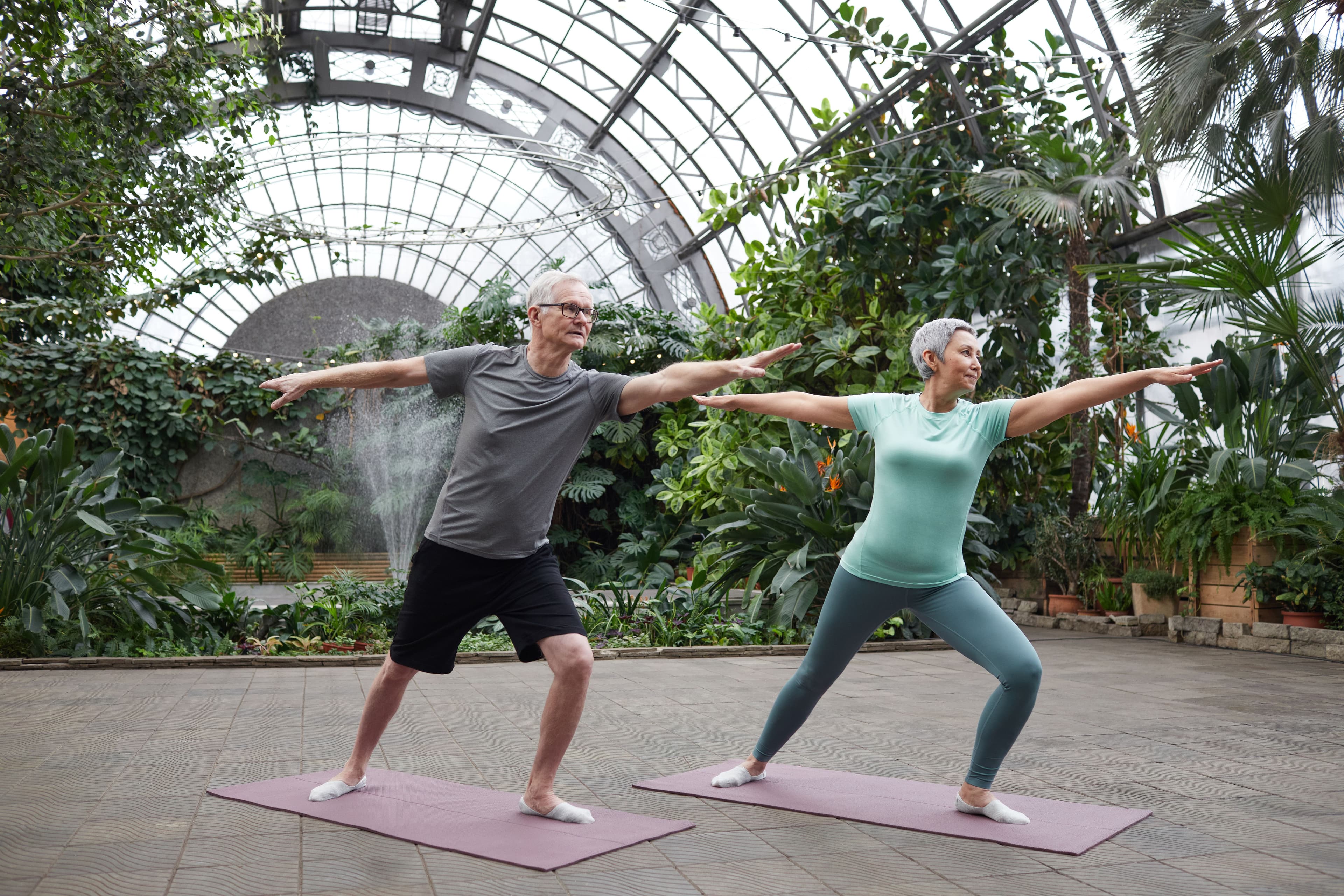
Weight shifting trains balance directlyTai Chi involves continuous shifting of weight from foot to foot, with each movement requiring the practitioner to find and maintain balance over a single leg. This is precisely the balance challenge that most falls involve — a moment of single-leg support during stepping or turning. Practising this slowly and repeatedly in a safe context builds both the physical capacity and the confidence to manage it in daily life.
Relaxed movement re-patterns the stress responseThe repeated experience of moving in a relaxed, controlled way — without fear, without bracing, without the expectation of losing balance — gradually reconditions the nervous system's response to movement. Over weeks and months, the automatic anxiety that many older adults feel when stepping onto an unfamiliar surface or navigating a crowded space begins to diminish.
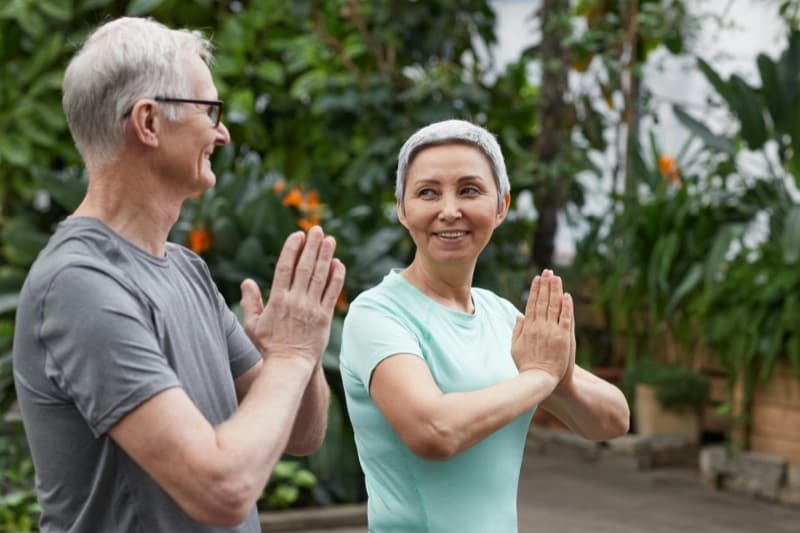
Group practice reduces social isolationFear of falling often leads to isolation, which compounds its effects. Group Tai Chi practice — whether in person or online — provides social connection alongside physical practice. The sense of community and shared experience has measurable effects on mood and motivation.
If you'd like a structured programme for balance, stability, and confidence in movement, we have a free course — Fall Prevention & Better Balance.
What the Research Shows
The evidence for Tai Chi in fall prevention is among the strongest of any exercise intervention. A major systematic review published in the British Journal of Sports Medicine found that Tai Chi reduced fall rate by 43% in older adults. The benefits include improved balance, reduced fear of falling, and improved quality of life — not just fewer falls.
Critically, studies show that the reduction in fear of falling occurs independently of the reduction in actual falls. People become more confident in their movement before they become measurably more stable. This suggests that the psychological benefits of Tai Chi are not simply a consequence of better physical balance — they are a direct effect of the practice itself.
For more on the research, see our post on Tai Chi, brain health, and cognitive function.
A Simple Daily Practice for Rebuilding Confidence in Movement
If fear of falling has become a significant part of your daily experience, the following practice can help. It is drawn from Tai Chi principles but requires no prior knowledge and can be done indoors, near a wall or chair for support if needed.
Standing with awareness (3 minutes). Stand with feet shoulder-width apart and close your eyes if comfortable. Feel the contact between your feet and the floor. Notice which parts of your feet carry more weight. Without trying to change anything, simply observe. This practice builds the proprioceptive awareness that fearful movement suppresses.
Slow weight shifting (5 minutes). With eyes open, slowly shift your weight from foot to foot — not stepping, just shifting. Move as slowly as possible. Notice the sensations in your ankles, knees, and hips as your centre of gravity moves. Gradually increase the range of the shift until you are briefly balancing over one foot before returning to centre.
Walking in slow motion (5 minutes). Walk across the room at a quarter of your normal pace. Feel each foot lift, travel through the air, and make contact with the floor. Notice your arms, your breathing, your eyes. This practice directly addresses cautious gait by replacing its rushed, restricted quality with something deliberate and spacious.
Practise this daily for two weeks. Most people notice a shift in how they relate to movement — not dramatic, but real.
Practical Steps for Managing Fear of Falling at Home
Alongside a movement practice, there are practical changes that reduce both actual fall risk and the anxiety that accompanies it.
Know your environment. Walk through your home and note the transitions, the dark corners, the loose rugs. Making these modifications is not an admission of weakness — it is the same risk management that an athlete applies to their training environment.
Wear appropriate footwear. Shoes with thin, grippy soles and low heels improve proprioceptive feedback from the floor. Bare feet on familiar surfaces are better than socks. Avoid slippers with no heel support.
Move more, not less. The instinct to restrict movement to avoid falling is understandable but counterproductive. Gentle, regular movement — Tai Chi, walking, light stretching — maintains the physical capacities that protect against falls. Restriction accelerates their decline.
Talk about it. Fear of falling is extremely common among older adults, but it is rarely discussed. Naming the fear — with a family member, a GP, or a practitioner — is often the first step toward addressing it effectively.
See also our post on how to fall safely, which covers the practical skills that significantly reduce injury when a fall does occur.
Frequently Asked Questions
I haven't fallen yet — is fear of falling still relevant to me?
Yes. Research shows that fear of falling affects roughly one in three older adults who have never fallen, and that this fear itself increases fall risk through the movement changes it causes. If you notice that you've become more cautious on stairs, uneven ground, or in unfamiliar environments, that is worth addressing proactively.
How long does Tai Chi take to reduce fear of falling?
Most studies show significant reductions in fear of falling after 8–12 weeks of regular practice. Some people notice changes in confidence after just a few sessions, particularly if the practice includes the balance and weight-shifting components that address the psychological dimension directly.
Can I practise Tai Chi if I already have poor balance?
Yes. A well-designed fall prevention programme includes modifications for people starting from low levels of balance confidence. The Fall Prevention for Seniors course includes progressions from very basic stability work through to a complete Tai Chi form — with options at every stage for those who need support from a chair or wall.
Is Tai Chi safe if I have osteoporosis or a history of fractures?
Tai Chi is one of the most recommended exercises for people with osteoporosis. Its weight-bearing nature helps maintain bone density, and its slow, controlled movements carry very low impact risk. See our guide to Tai Chi for osteoporosis for more detail.