Falls are one of the most significant health risks for adults over 50. But here is something most fall prevention programmes do not address: even with the best balance training in the world, falls still happen. The question is not only how to prevent them — it is how to survive them when they do.
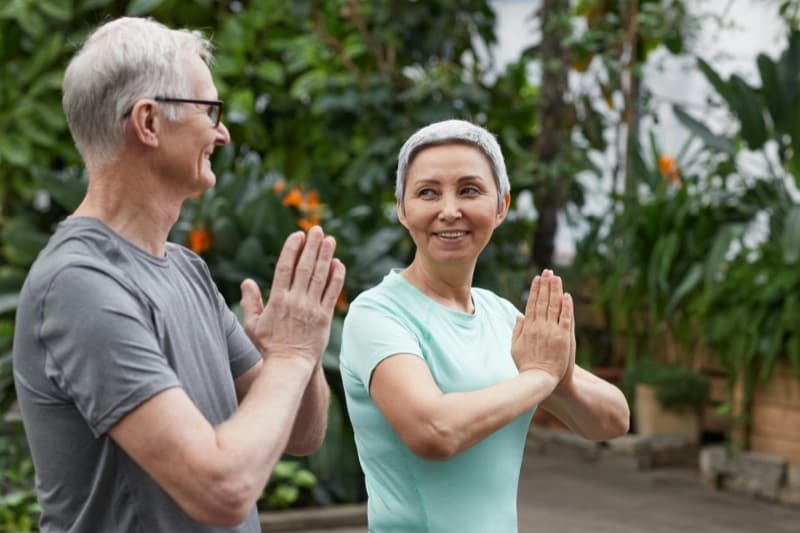
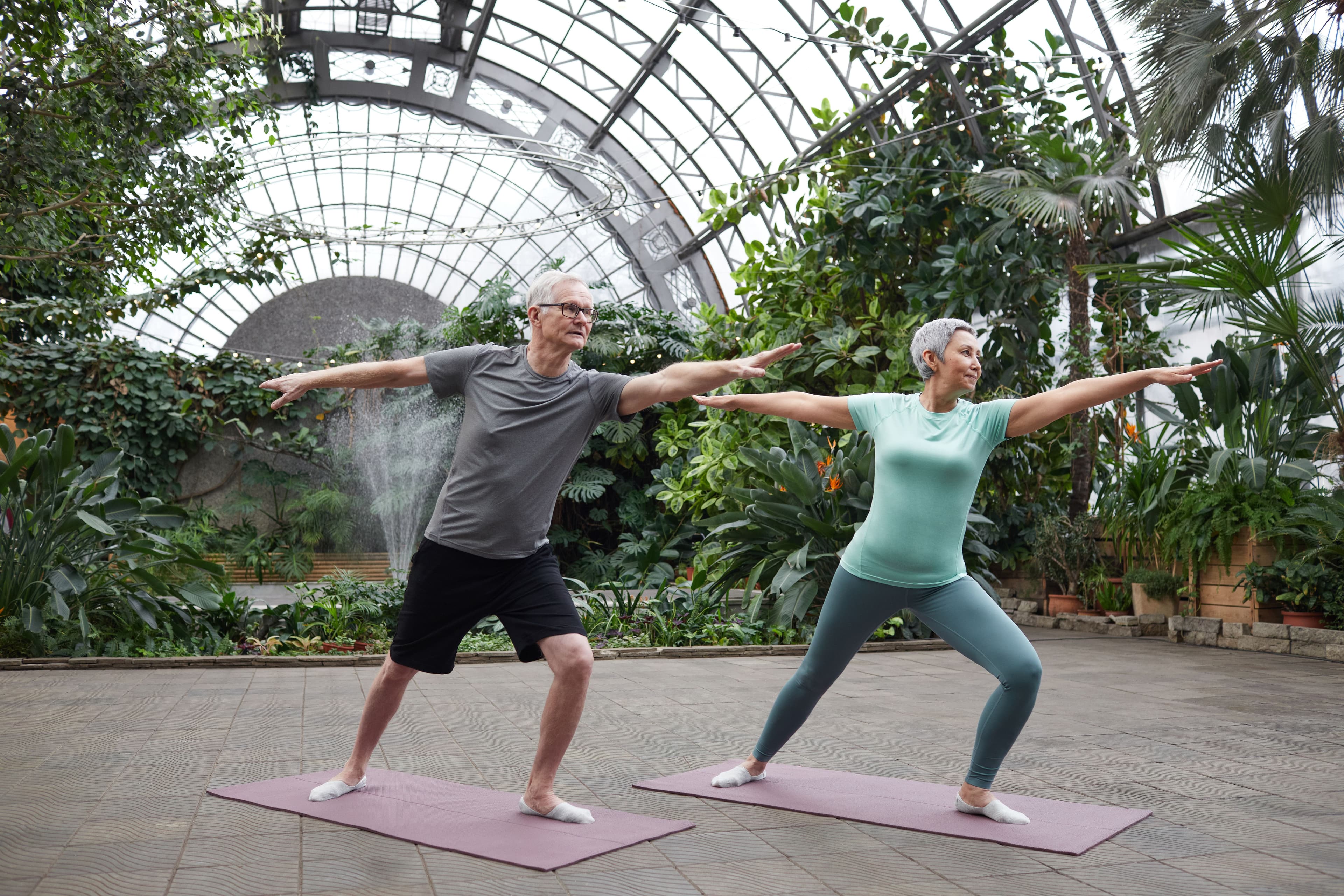
Tai Chi has been practised for centuries as a moving meditation that develops balance, awareness and coordination. What is less well known is that it also trains the body to move safely under unexpected conditions — including the moment when the ground comes up to meet you faster than expected.
Why Falls Cause So Much Damage
The injury in a fall rarely comes from the fall itself. It comes from the way the body responds to it.
Most people, when they lose their footing, do one of two things: they freeze and fall rigidly, or they throw their arms out to catch themselves. Both responses tend to make things worse. A rigid body transfers force directly into bones. An outstretched arm absorbs all the impact into the wrist, elbow or shoulder — which is why wrist fractures are among the most common fall injuries in older adults.
The body that falls well is the body that remains somewhat relaxed on the way down. It distributes impact across a larger surface area, rolls rather than slams, and protects the most vulnerable structures — the head, spine and hips — by sacrificing less critical areas first.
This is not instinct. It is a skill. And it is trainable.
What Tai Chi Teaches About Falling
Tai Chi does not teach falling directly — but it cultivates the qualities that make safe falling possible.
Relaxation Under Pressure
The most fundamental principle in Tai Chi is song — a quality of relaxed readiness, not limpness, but the absence of unnecessary tension. Practitioners spend years learning to stay relaxed while moving, while being pushed, while losing balance momentarily and recovering.
A body trained in song is less likely to tense up rigidly when it falls. That difference — between bracing and relaxing — can mean the difference between a bruise and a fracture.
Proprioceptive Awareness
Proprioception is the body's ability to sense its own position in space. As we age, proprioceptive sensitivity decreases — which is one reason why older adults are more vulnerable to falls in the first place.
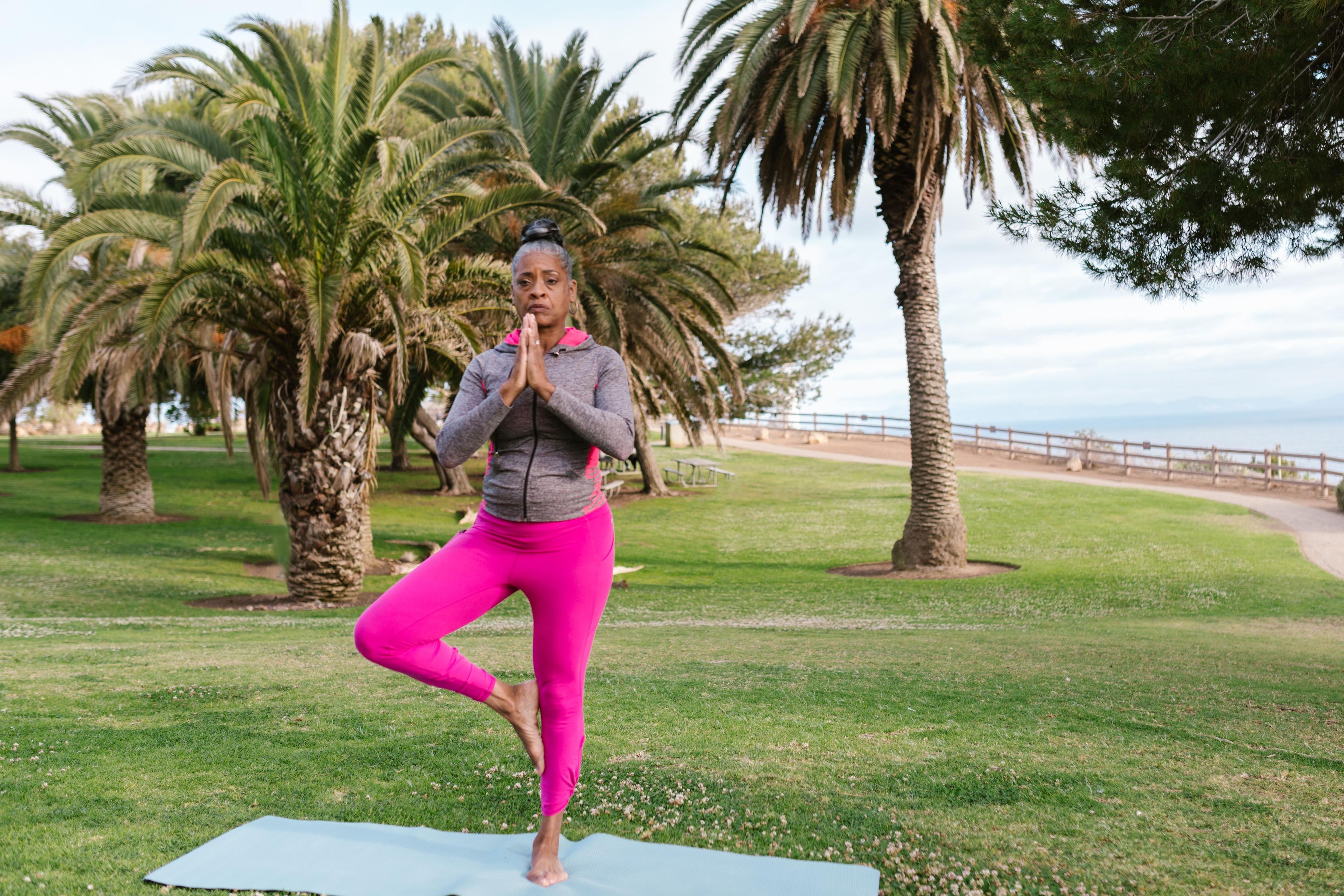
Tai Chi constantly challenges proprioception. The slow, deliberate weight shifts from foot to foot, the single-leg postures, the constant micro-adjustments required to maintain rooted stability — all of these train the nervous system to detect and correct imbalance earlier, often before a stumble becomes a fall.
Lower Centre of Gravity
Tai Chi postures typically involve slightly bent knees and a lower, more rooted stance than everyday walking. Over time, practitioners develop the habit of moving with a lower centre of gravity — which reduces how far the body has to travel if it does tip, and makes recovery from stumbles far more likely.
If you would like to explore a structured programme that develops these qualities, our Fall Prevention & Better Balance course is a good place to start.
Practical Skills for Falling More Safely
Beyond the qualities Tai Chi develops, there are specific physical skills that reduce fall injury. These are worth knowing regardless of your movement background.
Tuck the Chin
The head is the most important thing to protect in a fall. The moment you feel yourself going down, tuck your chin toward your chest. This prevents the back of the head from striking the ground and reduces the risk of concussion significantly.
Bend the Knees and Hips
Rather than fighting the fall by locking your legs, bend into it. Soft knees lower your centre of gravity and slow your descent slightly, giving your body more time to adjust before impact.
Aim to Land on Soft Tissue First
The fleshy parts of the outer thigh and buttocks absorb impact far better than the tailbone, hip bone or wrist. If you can direct the fall toward these areas — by turning slightly sideways as you go down — you significantly reduce the risk of serious injury.
Resist the Urge to Throw Out Your Arms
This is the hardest one, because it goes against instinct. Try to keep your arms slightly rounded rather than fully extended. If you must use your hands, land on your palms with bent wrists rather than on locked, straight arms.
Roll if Possible
A rolling fall distributes impact across the whole body rather than concentrating it at a single point. Even a partial roll — landing on the outer thigh and allowing the hip to follow through — reduces localised impact considerably.
If you'd like a structured programme for balance and fall prevention, we have a free course — Fall Prevention & Better Balance.
The Role of Confidence
One of the least discussed consequences of falling is the fear that follows. Many older adults who have experienced a fall begin to restrict their movement, avoid certain activities and gradually become less physically capable — which, paradoxically, increases their fall risk further.
Training balance, body awareness and fall response skills does something beyond the physical. It restores confidence. When the body trusts itself to handle unexpected movement, it moves more freely. And a body that moves freely is a body that falls less.
This is why practices like Tai Chi and Qigong address fall prevention at a deeper level than simply strengthening the legs. They change the relationship between mind and body in movement — which is exactly where fall prevention ultimately lives.
Our Senior Wellness Program takes a broad approach to physical confidence and independence as we age, combining movement, breathwork and lifestyle practices in a single programme.
Frequently Asked Questions
Can you really train yourself to fall safely?
Yes. The military, martial arts practitioners and dancers all train falling as a skill. The core techniques — relaxing rather than bracing, protecting the head, landing on soft tissue — can be learned and practised, and they do reduce injury when falls occur.
At what age should you start thinking about this?
The best time to start is before you need it. Balance and proprioception begin to decline in the early 40s. Beginning a practice like Tai Chi in your 40s or 50s builds a foundation that will serve you well into your 70s and beyond.
Is Tai Chi enough on its own for fall prevention?
Tai Chi is one of the most evidence-supported activities for fall prevention in older adults, but it works best alongside general strength training (particularly leg and core strength), good footwear, and home safety awareness. Think of it as a central pillar rather than a complete solution.
What if I have already had a fall?
Starting gentle movement practice after a fall is entirely appropriate and often recommended. The key is to begin slowly, work within comfortable range of motion, and build gradually. Any significant pain or new symptoms should be assessed by a healthcare professional before starting a new exercise programme.