Osteoporosis, Bone Density, and the Fear of Exercise
One of the most common responses to an osteoporosis diagnosis is to become more cautious about exercise. The fear is understandable — if bones are already fragile, surely movement carries extra risk. But this response is counterproductive. Physical inactivity accelerates bone loss, weakens the muscles that protect bones in a fall, and increases the very risk of fracture that people are trying to avoid.
The challenge is finding the right exercise — something that stimulates bone density and builds balance, without the high-impact or high-fall-risk that makes many conventional activities unsuitable. Tai Chi, increasingly recommended by rheumatologists and physiotherapists for people with osteoporosis, sits in exactly this space.
How Bone Density Works and Why Exercise Matters
Bone is living tissue that responds to the forces placed on it. When muscles pull on bones through movement, and when bones bear weight, they respond by laying down new bone matrix — a process called bone remodelling. When we are sedentary, this stimulus is absent, and the balance shifts toward bone resorption (the breakdown of existing bone).
This is why weight-bearing exercise is consistently recommended for osteoporosis prevention and management. The key word is "weight-bearing" — the bones must be under load to respond. Swimming and cycling, while excellent for cardiovascular health, do not stimulate bone remodelling because the body is supported by water or the saddle.
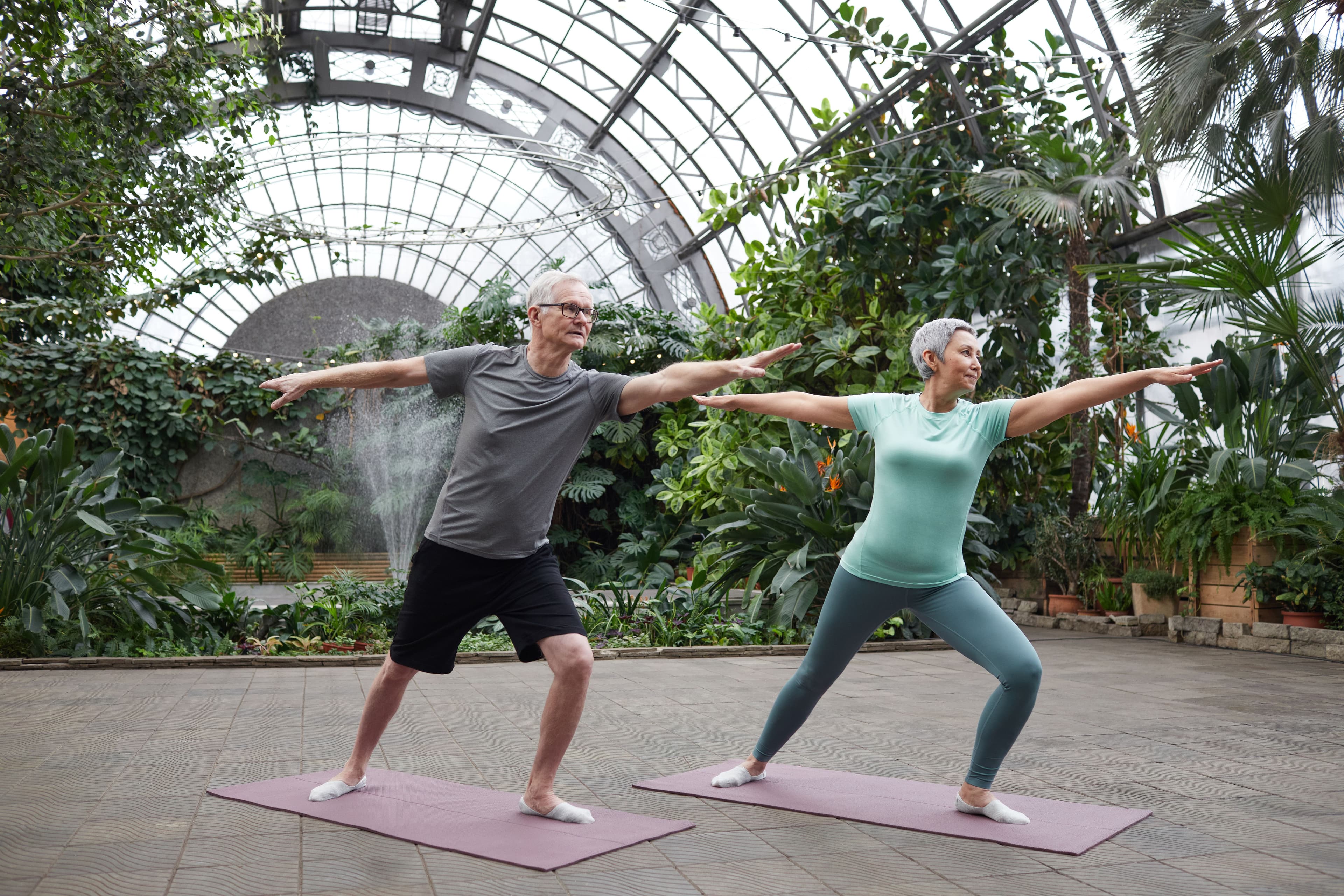
Tai Chi is weight-bearing throughout. Every movement involves the legs and feet bearing the body's weight, often through partial squats and slow weight shifts that place the hips, spine, and lower limbs under sustained, controlled load.
The Evidence for Tai Chi and Bone Density
A pilot randomised controlled trial published in the journal Osteoporosis International examined the effect of Tai Chi on post-menopausal osteopenic women. The study found significant improvements in multiple fracture-related risk factors, including bone mineral density, balance, and fall-related self-efficacy.
Research from the American Tai Chi and Qigong Association confirmed that Tai Chi helps improve bone density specifically in the areas most prone to osteoporotic fractures: the hip (femoral neck), the spine (lumbar vertebrae), and the heel (calcaneus). These are precisely the sites where fractures are most serious and most likely to lead to hospitalisation or long-term disability.
The mechanism is dual: the weight-bearing movements stimulate bone remodelling directly, and the improved balance and muscle strength reduce the risk of the falls that cause fractures in the first place. Both effects are clinically meaningful.
For related research on how Tai Chi affects balance and fall risk, see our post on fear of falling and how Tai Chi rebuilds confidence.
What Makes Tai Chi Particularly Suitable for Osteoporosis
Not all exercise is appropriate for osteoporosis. High-impact activities (running, jumping) carry fracture risk. Exercises involving forward spinal flexion (sit-ups, touching toes, some yoga postures) can increase the risk of vertebral compression fractures in people with significant spinal bone loss. Tai Chi avoids both of these risks while delivering the weight-bearing stimulus bones need.
Low impact, high benefitTai Chi involves no jumping, no sudden loading, and no high-velocity movements. The pace is slow, the transitions are controlled, and the practitioner is always in contact with the floor. This means the risk of a fall during practice is extremely low, and the mechanical loading on bones is delivered gradually and safely.
Upright spinal postureTai Chi is practised in an upright position with particular attention to spinal alignment. Unlike exercises involving forward flexion, Tai Chi postures maintain the spine in a neutral or gently extended position — which is exactly what practitioners with vertebral osteoporosis should prioritise.
Hip and leg loadingThe semi-squat positions, slow stepping, and single-leg weight-bearing that characterise Tai Chi place consistent load on the femoral neck — the site of hip fractures, which are the most serious consequence of osteoporosis in older adults. This loading, repeated over weeks and months of practice, stimulates bone remodelling at exactly the right location.
Balance trainingUltimately, osteoporosis becomes dangerous through fractures, and fractures occur through falls. Tai Chi's consistent evidence for reducing fall rate — by 20–45% across major studies — means that even if it had no direct effect on bone density, it would still be highly beneficial for people with osteoporosis. The combination of both effects makes it one of the most comprehensive interventions available.
If you'd like a structured Tai Chi programme for balance and bone health, we have a free course — Fall Prevention & Better Balance.
A Gentle Tai Chi Practice for Bone Health
The following practice is suitable for people with low bone density, osteopenia, or osteoporosis. It focuses on the hip, spine, and ankle — the three sites most important for bone health in older adults. Use a chair nearby for support if needed, particularly for the single-leg work.
Upright standing (3 minutes). Stand with feet hip-width apart, spine long, shoulders relaxed. Feel the weight distributed evenly across both feet. Breathe slowly. This simple practice — often dismissed as doing nothing — activates the postural muscles of the spine and hips and begins to build proprioceptive awareness.
Heel raises (3 minutes). Slowly rise onto the balls of your feet and lower back down. Take 3–4 seconds to rise and 3–4 seconds to lower. This movement loads the ankle bones and calves, stimulates bone remodelling in the heel and lower leg, and strengthens the calf muscles that support ankle stability.
Stepping practice (5 minutes). Step slowly forward, placing each foot with full awareness. Feel the weight transfer from the back foot to the front foot. Step sideways, backward, and diagonally. This practice trains the weight-bearing patterns of walking while building proprioception and hip strength.
Single-leg balance (3 minutes). With one hand resting lightly on a chair, slowly shift weight onto one foot and hold for 5–10 seconds. This loads the femoral neck — the hip fracture site — and trains the balance response simultaneously. Build gradually to 30 seconds on each side without support.
Closing breathwork (3 minutes). Stand quietly and breathe deeply, allowing the muscles to relax after the practice. Slow, deep breathing reduces cortisol — a stress hormone that, when chronically elevated, accelerates bone loss.
Lifestyle Factors That Support Bone Health Alongside Exercise
Exercise works best when combined with the nutritional and lifestyle foundations of bone health.
Calcium and Vitamin D. Calcium provides the raw material for bone matrix; Vitamin D is required for calcium absorption. Dairy products, fortified foods, leafy greens, and tinned fish (with bones) are good dietary sources. Many older adults in northern latitudes are Vitamin D deficient and benefit from supplementation, particularly in autumn and winter.
Protein intake. Adequate protein supports the collagen framework of bone as well as the muscles that protect it. Recent research suggests older adults need more protein than previously recommended — approximately 0.4–0.5 grams per pound of body weight daily.
Avoid prolonged sitting. Bone responds to load. Prolonged sitting removes mechanical stimulus from the spine and hips. Breaking sitting time with short periods of standing or walking maintains the stimulus for bone remodelling throughout the day.
For a comprehensive programme covering exercise, sleep, nutrition, and mental wellbeing in later life, see our Senior Wellness Programme.
Frequently Asked Questions
Is Tai Chi safe if I have severe osteoporosis?
For most people with osteoporosis, including severe cases, Tai Chi is safe and appropriate. The key adaptations are to avoid deep forward spinal flexion, to practise near a support (chair or wall) during balance work, and to progress gradually. If you have had a recent vertebral fracture, consult your doctor or physiotherapist before beginning any new exercise programme.
How long does it take to see improvements in bone density?
Bone remodelling is a slow process. Meaningful changes in bone mineral density typically take 6–12 months of consistent, appropriate exercise. However, improvements in balance, strength, and fall risk begin within 8–12 weeks — and these functional improvements are what most directly reduce fracture risk in daily life.
Can I do Tai Chi if I've already had a hip fracture?
Tai Chi is frequently used in post-hip-fracture rehabilitation. The timing and intensity depend on the type of fracture and surgical repair — most people begin with gentle weight-bearing and balance work 6–12 weeks post-operatively. Always follow your surgeon's and physiotherapist's guidance on when to start. The Fall Prevention for Seniors course includes progressions suitable for people rebuilding after a fracture.
Does Tai Chi improve bone density at the hip specifically?
Yes. Research has specifically measured bone mineral density at the femoral neck (hip) following Tai Chi practice and found significant improvements compared to control groups. The hip is the fracture site associated with the highest mortality and loss of independence in older adults, making this one of the most clinically important findings in the Tai Chi research literature.
Where can I find a structured programme for fall prevention and bone health?
Our Fall Prevention for Seniors course covers Tai Chi for balance and stability, Qigong for coordination, and practical skills for reducing fall risk at home and outdoors. It is designed for complete beginners and includes progressions for people at all levels of balance confidence.