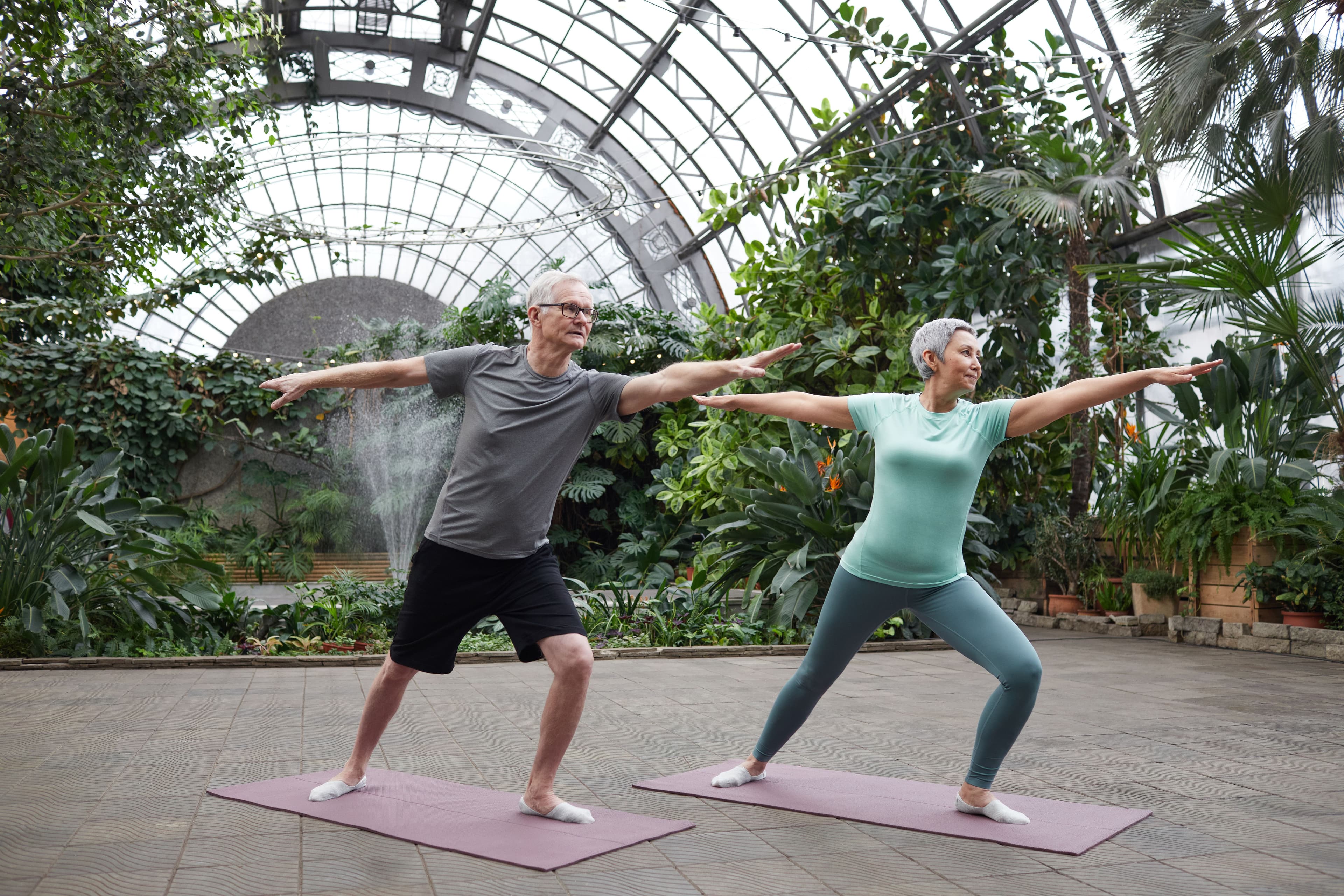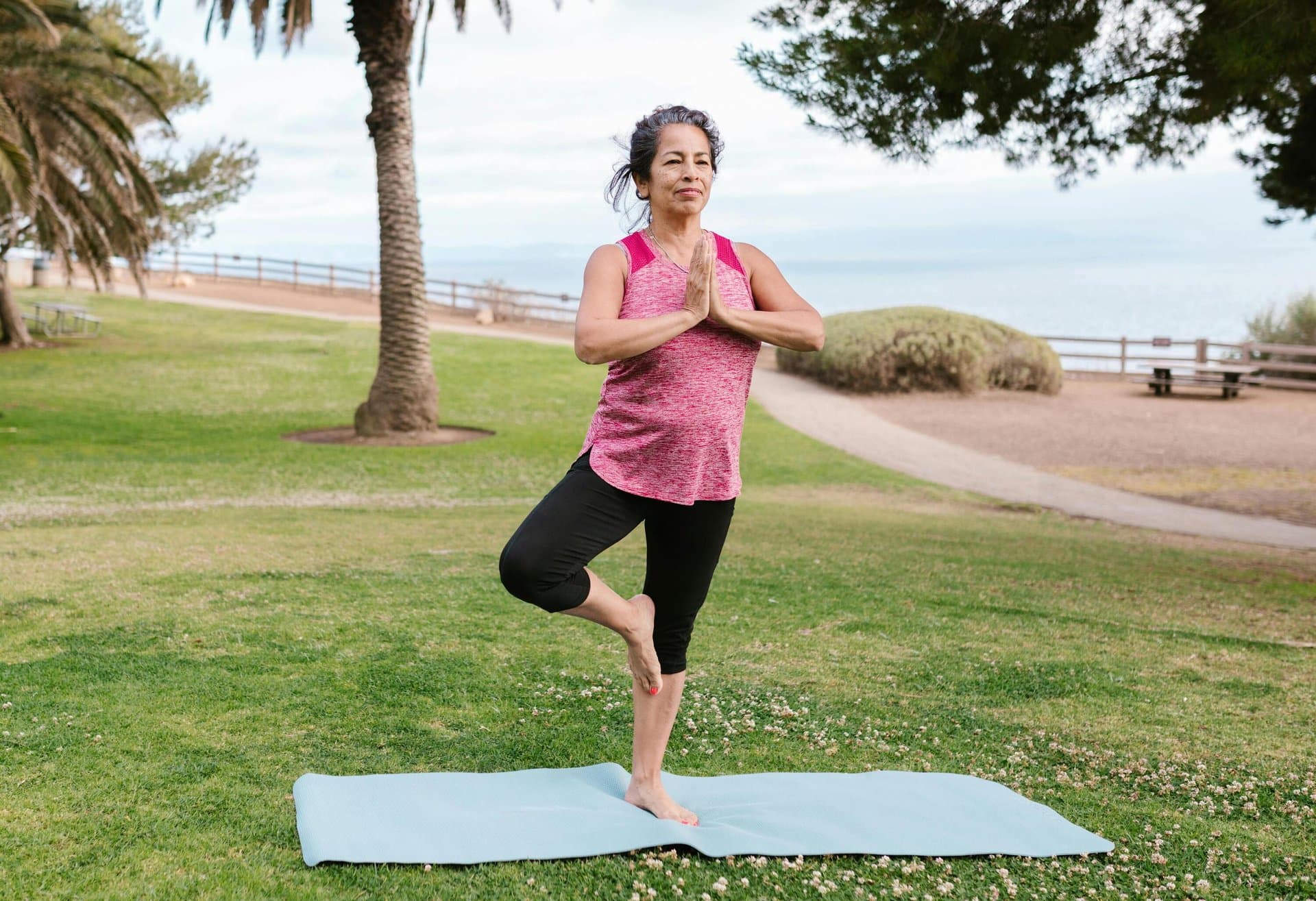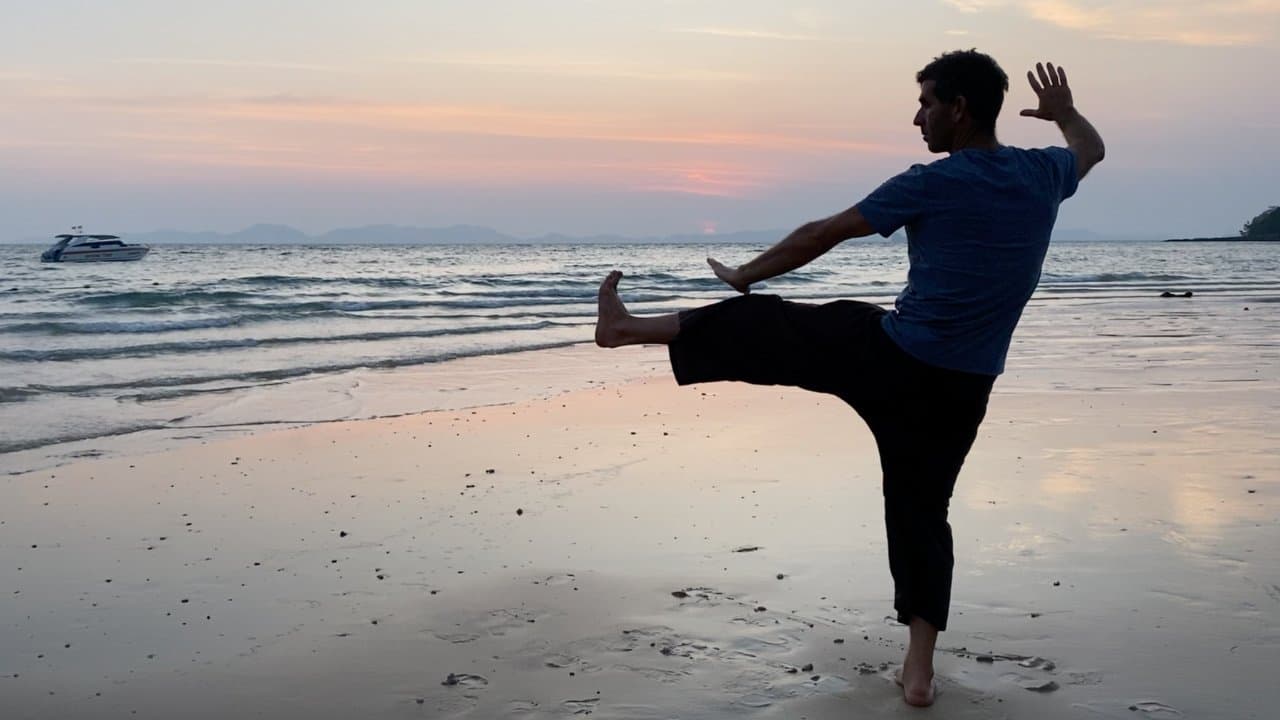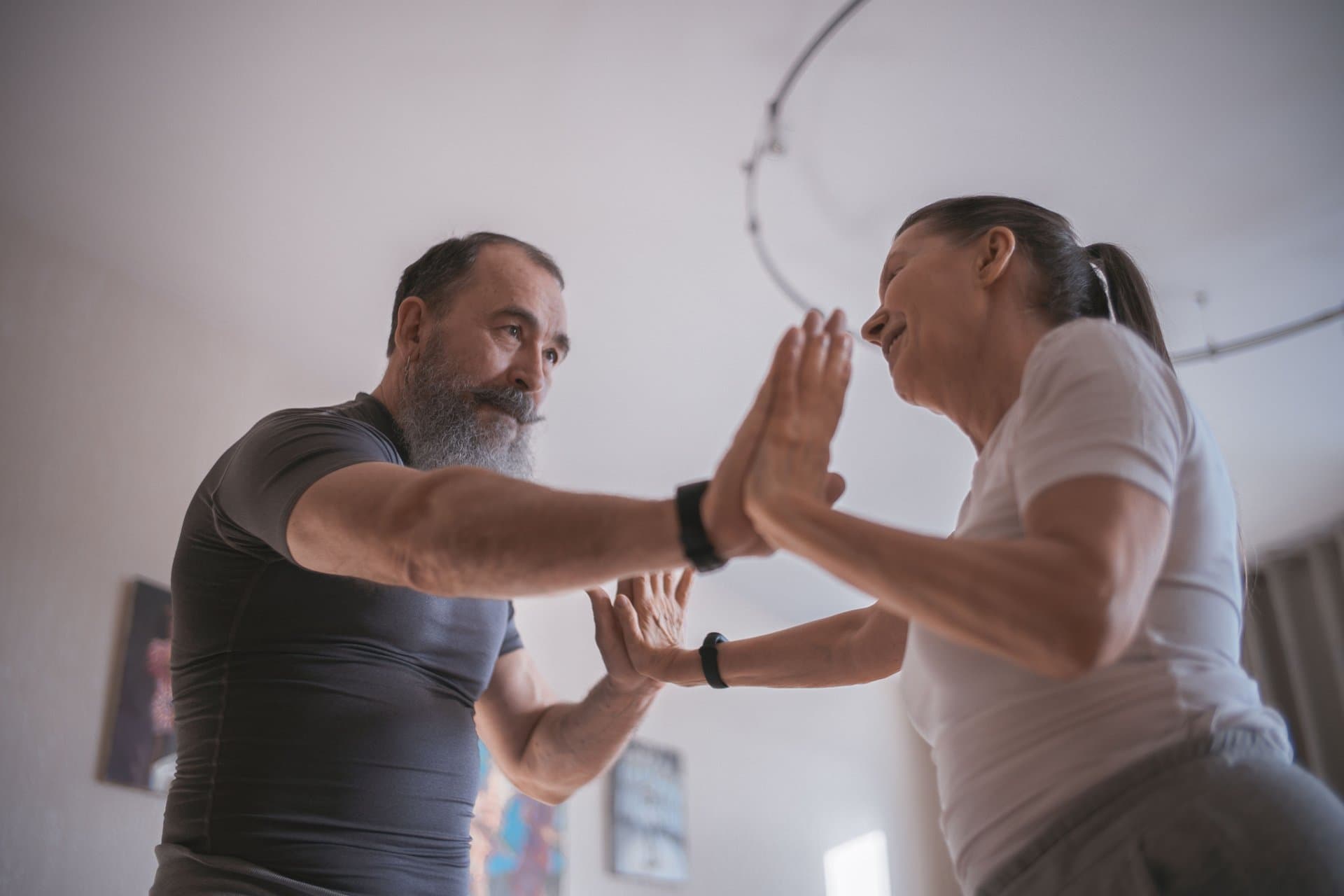
Qi Gong is often described as a gentle movement practice, but there is more to it than simply moving slowly.
Many exercises involve coordinated movements of the arms, legs and torso, combined with attention to posture and breathing.
This whole-body approach is one reason Qi Gong is often explored in relation to lymphatic drainage, fascia release and mobility.
It also introduces an important aspect of physical health that becomes increasingly relevant as we get older: coordination.
The ability to move different parts of your body together helps with everyday activities such as walking, turning, reaching and changing direction.
What Is Chinese Qi Gong?
Qi Gong is a traditional Chinese practice that includes a wide variety of movement, breathing and meditation exercises.
Some forms involve slow, flowing movements. Others use repeated movements, standing postures, breathing exercises or stillness.
A typical gentle Qi Gong sequence might involve raising and lowering the arms, turning the body, shifting weight between the feet or moving through a series of coordinated positions.
The movements are often performed at a comfortable pace, allowing you to pay attention to how your body responds.
Qi Gong is not one fixed exercise system. Different styles and instructors may use different movements and approaches.
However, many forms share an emphasis on posture, relaxed movement, breathing and awareness.
How Qi Gong Relates to Lymphatic Drainage
Your lymphatic system is responsible for collecting excess fluid from body tissues and helping return it to the bloodstream.
It also plays an important role in immune function.
Unlike the heart, which pumps blood through the circulatory system, the lymphatic system relies on several mechanisms to move lymph.
These include contractions of lymphatic vessels, changes in pressure during breathing and the activity of surrounding muscles.
This is where Qi Gong and other forms of physical activity become relevant.
When you move your arms, turn your torso or shift your weight, muscles throughout your body contract and relax.
These movements can create pressure changes around lymphatic vessels and help support normal lymph flow.
This does not mean Qi Gong is a medical treatment for lymphatic conditions, or that it detoxifies the body. It is a form of gentle physical activity that can support general movement.
For more on this relationship, read our article about morning Qi Gong flow for lymphatic drainage.
Qi Gong and Fascia Release
Fascia is the connective tissue network that surrounds and supports muscles, organs, nerves and other structures.
It helps connect different parts of the body and contributes to how tissues move in relation to one another.
The term fascia release is often used to describe practices intended to reduce a feeling of tightness or restriction.
Qi Gong movements can involve gentle rotations, reaching, bending and coordinated movements through different ranges of motion.
These movements provide opportunities to explore how the body moves as a whole.
For example, raising your arms while gently extending through your upper body involves more than the shoulder muscles alone. Your shoulder blades, trunk and surrounding structures all contribute.
Similarly, a gentle torso turn involves coordinated movement across several areas.
This can be a useful way to develop body awareness and comfortable mobility.
However, it is important not to interpret every feeling of tightness as a fascia problem or assume that a Qi Gong exercise physically releases or repairs connective tissue.
Why Coordination Is Important
Coordination is the ability to organise different body movements so that they work together.
You rely on it whenever you walk, reach, turn, climb stairs or move around obstacles.
As we get older, maintaining coordination, strength and balance becomes increasingly important for remaining independent and confident in everyday activities.
Qi Gong gives you an opportunity to practise coordinating different parts of your body through controlled movements.
For example, you might raise one arm while shifting your weight slightly, or turn your torso while allowing your arms to follow.
These simple actions require attention to posture, position and movement.
The pace of many Qi Gong exercises gives you time to notice these details instead of rushing from one movement to another.
The Role of Weight Shifting in Qi Gong
Weight shifting is one of the most useful movement patterns to explore.
When you walk, your weight transfers from one leg to the other. When you turn or step sideways, your body has to adjust to maintain stability.
Many forms of Tai Chi and Qi Gong include deliberate weight shifts.
You may begin with your feet apart, gradually move more weight towards one leg and then return to the centre.
You can also practise small shifts forwards and backwards while keeping your feet comfortably grounded.
These movements can help develop awareness of how your body responds when your weight changes.
For older adults, more challenging balance exercises can be important as part of fall prevention. Tai Chi has research supporting its use for improving balance and reducing falls, although the exercises need to be appropriate to each person's abilities.
You can explore the relationship between Chinese movement and the lymphatic system in our guide to lymphatic Tai Chi.
A Simple Qi Gong-Inspired Whole-Body Practice
Find a comfortable space where you can stand safely, or sit in a stable chair.
Start by relaxing your shoulders and noticing your natural breathing.
Slowly raise your arms in front of you, then lower them again.
Next, gently turn your upper body from side to side. Allow your arms to follow naturally without forcing the movement.
If you are standing securely, shift your weight towards one foot and then the other. Keep the movement small and controlled.
You can then take a few slow steps forwards and backwards, paying attention to how your feet meet the ground.
Finish with a short period of relaxed standing or sitting.
Use a sturdy support if needed, and avoid movements that cause pain or dizziness.
This is a simple introduction to coordinated movement rather than a complete traditional Qi Gong sequence.
Can Qi Gong Help You Stay Steady as You Age?
Many forms of Qi Gong involve movements that require posture, coordination and controlled weight shifting.
These elements can provide useful opportunities to practise body awareness and movement control.
Tai Chi has been more extensively studied in the context of fall prevention. Research and international guidelines support it as one exercise option for improving balance and helping reduce falls among older adults.
It is important to distinguish gentle movement from specific fall-prevention training. People who want to improve their balance may also need progressive exercises involving stepping, turning, functional movements and strength.
The exercises should be adapted to individual ability, particularly for anyone who already has balance difficulties or a history of falls.
For a guided introduction to balance-focused Tai Chi movements, try our free Tai Chi for Better Balance course.
Bringing It All Together
Qi Gong offers a way to combine gentle movement, breathing and body awareness.
Its flowing exercises can involve several parts of the body working together, providing opportunities to practise coordination and comfortable mobility.
Muscle activity during movement also supports normal lymphatic flow, while the wider movement patterns can help you become more aware of posture and weight distribution.
Fascia release, lymphatic drainage and balance are not interchangeable benefits, and Qi Gong should not be viewed as a treatment for every physical concern.
Instead, think of it as one way to stay active and develop a more attentive relationship with movement.
Combined with walking, appropriate strength exercises and balance practice, it can form part of a varied routine that supports physical well-being as you age.
Frequently Asked Questions
Does Qi Gong help with lymphatic drainage?
Qi Gong involves gentle muscle activity, and muscle contractions help support normal lymph movement. It is a form of physical activity, not a medical treatment for lymphatic disorders.
Can Qi Gong release fascia?
Qi Gong can involve movements that explore comfortable ranges of motion and may help some people feel less restricted. However, there is no basis for claiming that it literally releases or repairs all fascia restrictions.
Is Qi Gong good for coordination?
Many Qi Gong exercises involve coordinated movements of the arms, legs and torso. They can provide opportunities to practise posture, movement awareness and coordination.
Is Qi Gong or Tai Chi better for balance?
Both practices can involve balance-related movements, but Tai Chi has stronger research and guideline support specifically for fall prevention in older adults. The most suitable activity depends on the exercises, the person's ability and the level of balance challenge.