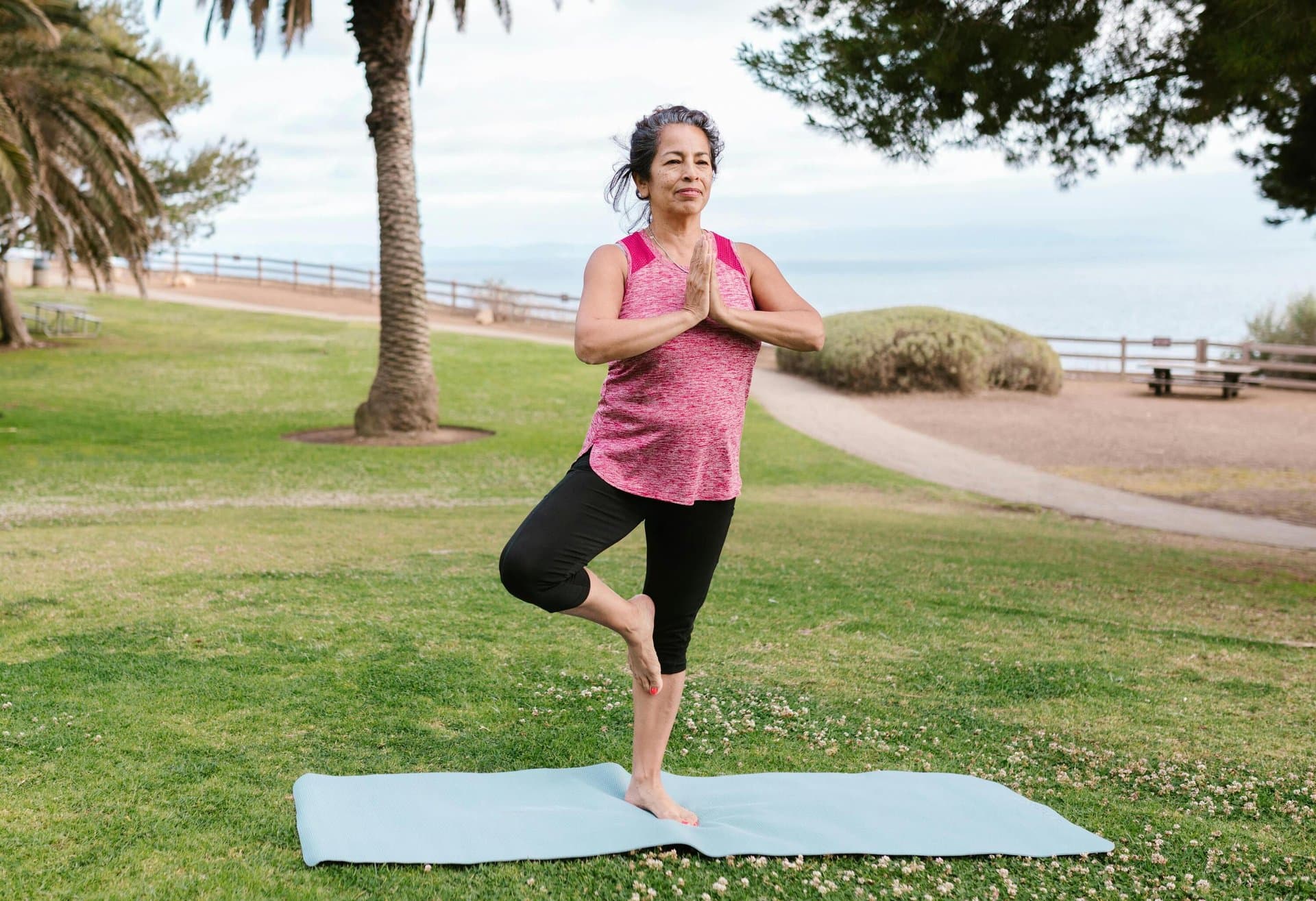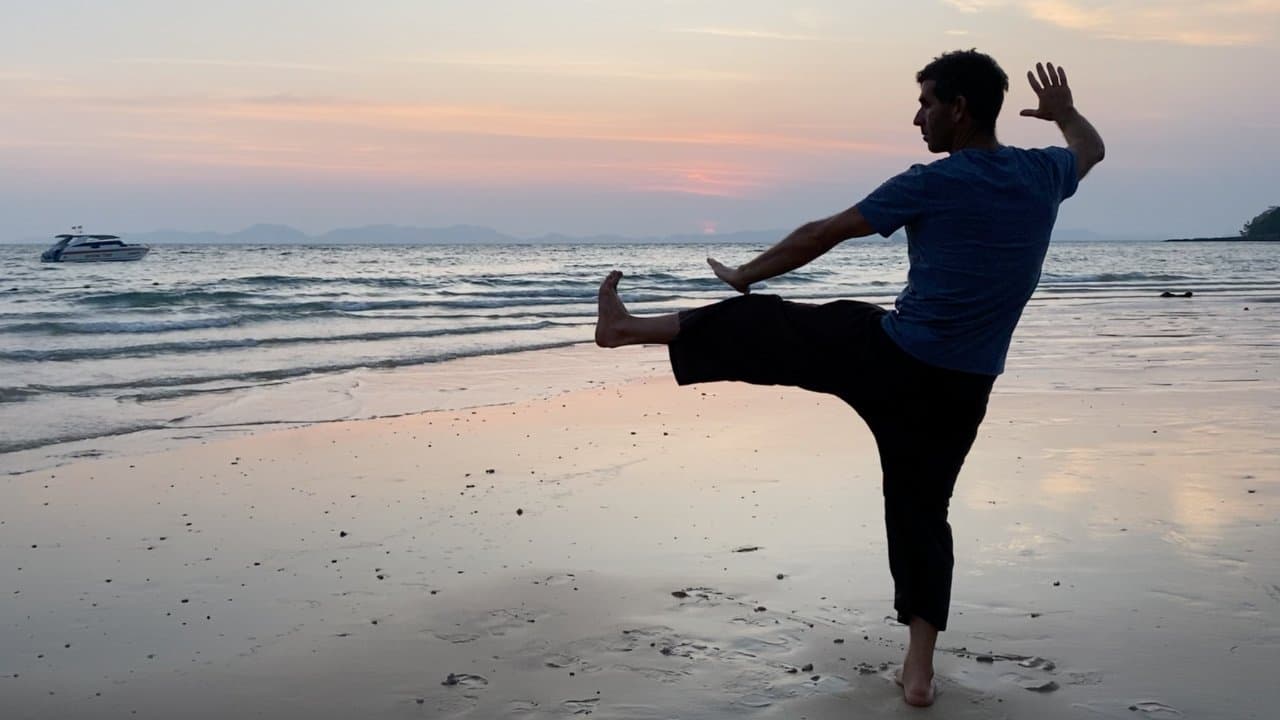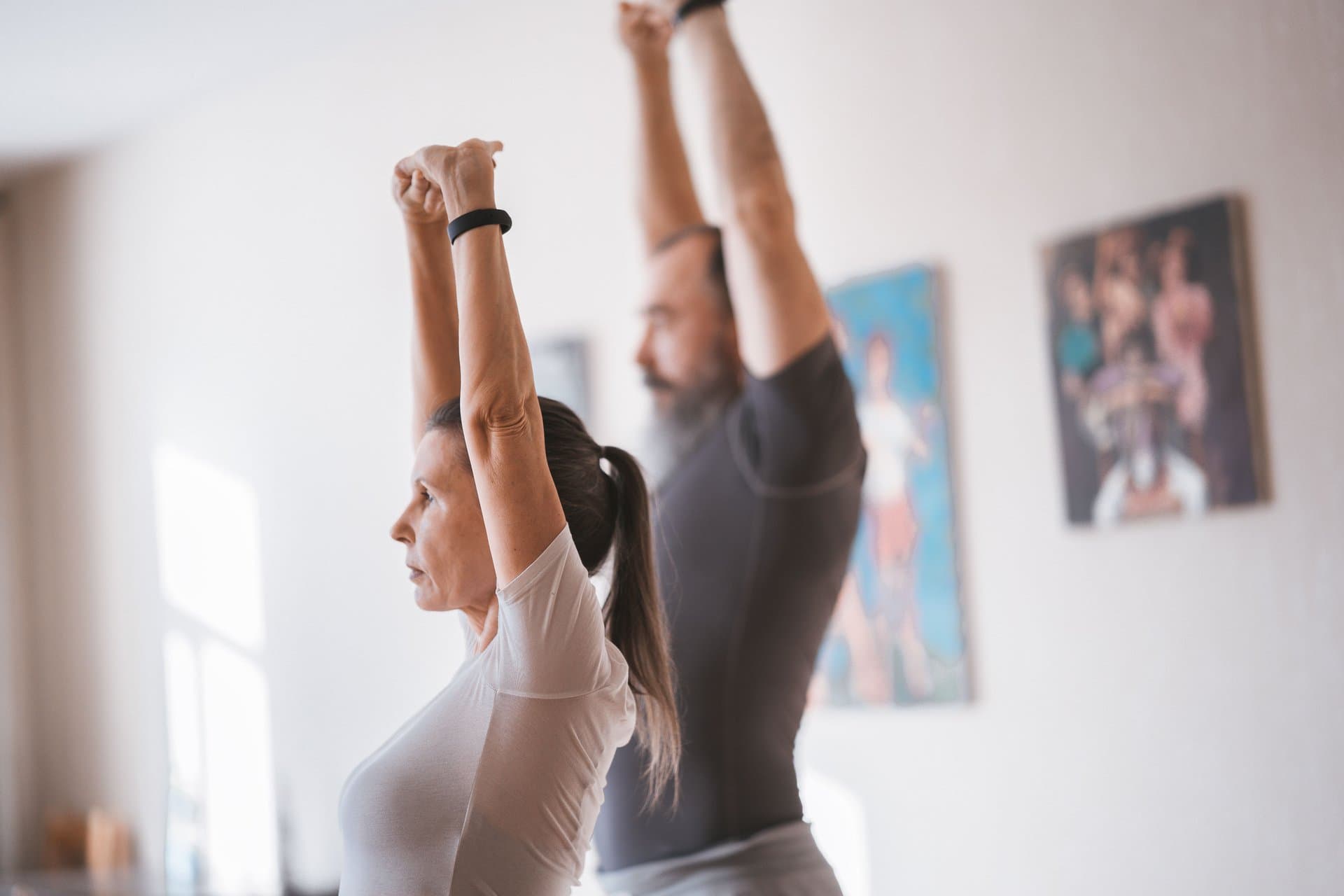
Waking up stiff is common, especially as we get older. After several hours with very little movement, the joints and muscles can feel tight, while circulation and normal fluid movement have had less stimulation than during the day. This is one reason gentle Chinese lymphatic drainage exercises and flowing movement can feel so good in the morning.
You do not need an intense workout to get moving again.
A few minutes of gentle Qigong can help wake up the body, loosen areas of tension and prepare you for the day ahead.
Why Do We Feel Stiff in the Morning?
During sleep, we spend several hours in a relatively fixed position. Our muscles are not contracting and relaxing as frequently, and our joints move very little.
This does not mean that lymph or other fluids simply become "stuck". Rather, the normal movement that supports circulation and fluid exchange is reduced while we are inactive.
Once we get up, muscle contractions, breathing and changes in posture help restore normal movement.
Morning stiffness can also be influenced by age, sleep position, physical activity, previous injuries and joint conditions.
The answer is usually not to force the body.
It is to start moving gradually.
The Taoist Approach to Morning Movement
Traditional Chinese movement practices place an emphasis on gentle, rhythmic movement combined with breathing and awareness.
Qigong brings these elements together.
In traditional Chinese thought, Qi is often described as vital energy or life force. From a modern perspective, many Qigong practices can also be understood through familiar principles such as mobility, breathing, coordination, relaxation and body awareness.
The goal is not to force the body open.
It is to create a sense of flow. Practices like Qigong shaking can also help loosen the body gently before moving into a full sequence.
This makes Qigong particularly well suited to the morning, when the body may not yet be ready for demanding exercise.
If you'd like a guided morning practice to follow along with, we have a free course — Morning Energy Flow.
A 10-Minute Morning Qigong Flow
This simple routine uses five movements. Stand comfortably with your feet around hip-width apart and keep your breathing relaxed throughout.
If a movement causes pain or dizziness, stop and seek appropriate medical advice.
1. Gentle Tapping | 2 Minutes
Using relaxed hands, gently tap down the arms, across the shoulders and upper chest, around the sides of the body and down towards the legs.
Keep the tapping light.
The purpose is to bring your attention to the body and gently stimulate areas that have been still during the night.
2. Relaxed Arm Swings | 2 Minutes
Allow your arms to swing gently from side to side while keeping your knees soft.
Let the movement naturally rotate the torso.
Keep your shoulders relaxed and avoid forcing the twist.
This simple movement encourages mobility through the shoulders, upper back and torso while involving the hips and legs.
3. Gentle Shaking | 2 Minutes
Allow the body to shake gently, beginning with the hands and arms before allowing the shoulders, knees and legs to participate.
Keep the movement light.
Think of it as shaking off the stiffness of sleep rather than exercising.
Relax your jaw, soften your hands and let your shoulders drop.
4. Gentle Spine Wave | 2 Minutes
Begin a small wave-like movement through the spine.
Gently bend and straighten the knees while allowing the pelvis, lower back, chest and shoulders to follow.
Keep the movement small and comfortable.
You are not trying to stretch the spine deeply. Instead, imagine encouraging the whole body to become more fluid.
5. Gathering Qi | 2 Minutes
Finish by becoming still.
Place your hands in front of your lower abdomen and slowly open your arms before bringing them back towards the centre.
Repeat several times while allowing your breathing to become slower and quieter.
In Qigong, this may be described as gathering Qi.
It also provides a simple opportunity to finish your practice feeling calm, centred and aware of your body.
How These Movements Relate to Chinese Lymphatic Exercises
The term Chinese lymphatic exercises has become increasingly popular online alongside interest in Qigong, fascia and lymphatic health.
There is an important distinction, however.
Traditional Chinese movement practices were not developed using our modern understanding of the lymphatic system.
The connection is a modern interpretation based on the way movement and breathing affect the body.
Many Qigong movements involve:
Gentle muscle contractions
Rhythmic movement
Changes in posture
Joint movement
Deep, relaxed breathing
These are all relevant to normal circulation and fluid movement.
The lymphatic system does not have a central pump like the heart. Lymph movement is supported by factors including muscle activity and breathing.
So rather than describing Qigong as an ancient medical treatment for lymphatic drainage, it is more accurate to view it as a gentle movement practice that supports regular activity, breathing, circulation and relaxation.
What About an Asian Lymphatic Detox?
You may come across terms such as Asian lymphatic detox or ancient Chinese lymphatic exercises when researching these practices.
It is worth being careful with the word "detox".
Your body already has sophisticated systems for processing and eliminating waste, including the liver, kidneys, lungs and digestive system.
You do not need a special exercise routine to "flush toxins".
A more useful way to think about gentle Qigong is that it supports the body's normal movement, circulation and relaxation while encouraging regular physical activity.
That is valuable without making exaggerated claims.
Making Your Practice a Habit
The biggest benefit comes from consistency.
You do not need to practise for an hour every morning.
Try attaching your Qigong routine to something you already do, such as:
Getting out of bed
Drinking water
Before breakfast
Before checking your phone
After getting some morning daylight
Some mornings you may complete the full 10 minutes.
Other mornings, you may only have time for a few minutes of movement.
That still counts.
The goal is to make gentle movement a natural part of your morning rather than another demanding task.
Frequently Asked Questions
Is Qigong good for morning stiffness?
Gentle Qigong can be a useful way to introduce movement after several hours of rest. Its slow, controlled movements help mobilise the body and provide a gradual transition into the day's activities.
Can Qigong support lymphatic drainage?
Movement and breathing support the normal processes involved in lymph movement. Qigong combines both with gentle, rhythmic whole-body movement.
It should not, however, be considered a treatment for lymphoedema or other medical conditions affecting the lymphatic system.
Do I need to practise for 30 minutes?
No.
A short routine that you practise consistently is often more sustainable than a long routine that you quickly abandon.
Five to ten minutes is a perfectly reasonable place to start.
Bringing It All Together
Morning stiffness is often a reminder that the body has spent several hours at rest.
Rather than forcing it into intense exercise or aggressive stretching, start gently.
A few minutes of tapping, arm swinging, shaking, spinal movement and gathering Qi can help wake up the body and prepare it for the day.
Qigong combines movement, breathing and awareness in a simple practice that can be adapted to different ages and abilities.
The goal is not to force the body to change.
It is to give it regular opportunities to move, breathe and recover.
Ten minutes may seem small, but when you practise consistently, those small moments can become an important part of supporting mobility and wellbeing as you age.