What Is the "Becoming Chinese" Wellness Trend?
Scroll through TikTok or YouTube Shorts and you'll see it: Westerners waking at 6am to practise Qigong in the garden, brewing traditional herbal teas, following acupressure routines before bed, and sharing their results after 30 days.
The trend has been dubbed "Becoming Chinese" — an imperfect name for something more substantive than a passing fad. It reflects a genuine shift: millions of people in the West, dissatisfied with conventional wellness advice, are turning to traditional Chinese medicine and lifestyle practices for answers.
Search volume for terms like Ba Duan Jin, Qigong morning routine, Chinese longevity habits, and traditional Chinese health has increased dramatically over the past two years. The hashtag #BecomingChinese has accumulated billions of views across platforms.
This post looks at which specific practices are driving that interest, what the evidence says, and how to incorporate them into everyday life.
Morning Qigong: The Practice Most People Start With
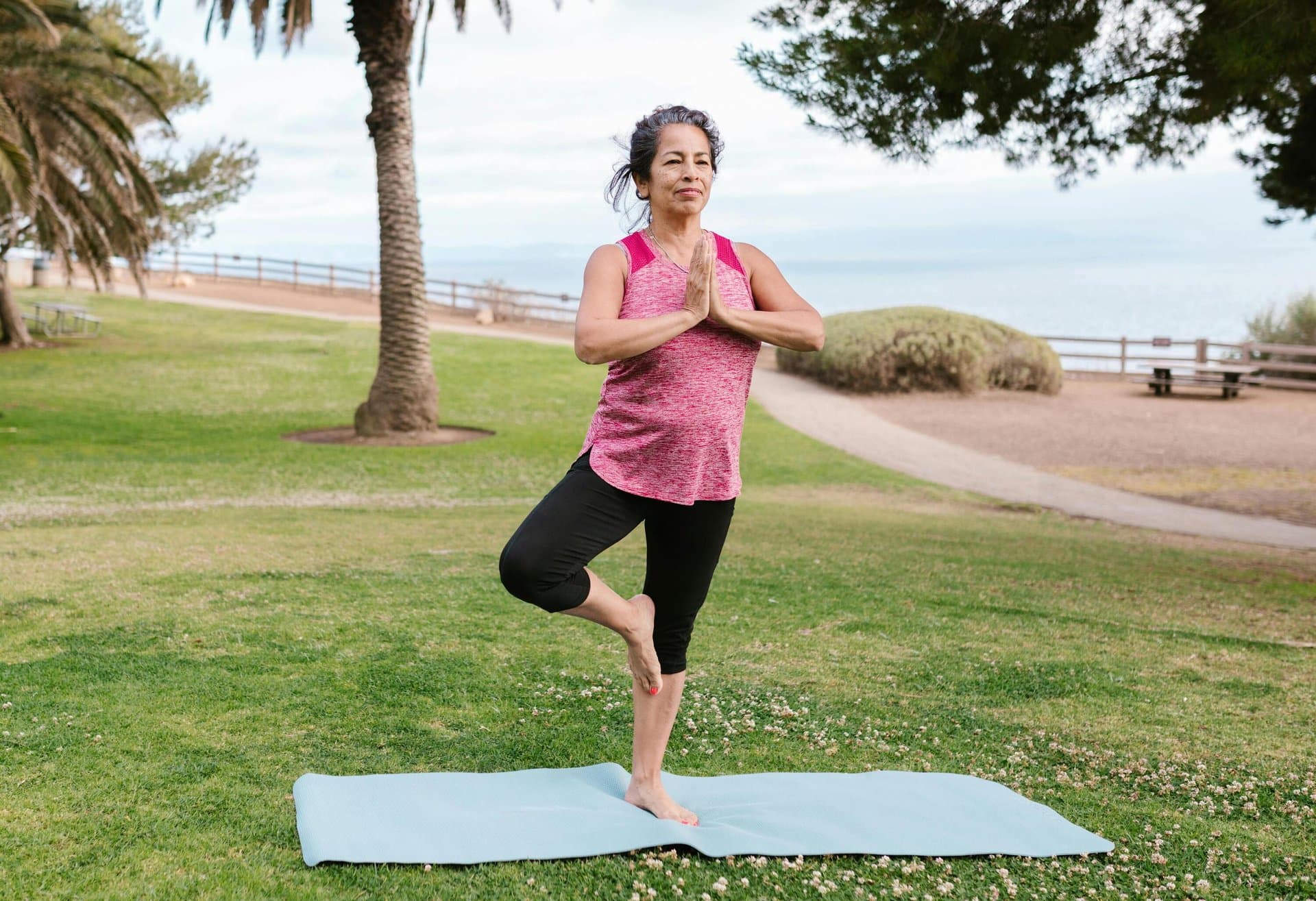
The most common entry point into this trend is a morning Qigong routine — a short sequence of gentle movements done in the first 20–30 minutes after waking.
Traditional Chinese medicine places enormous emphasis on the morning hours. The period between 5am and 9am is considered the time of the Lung and Large Intestine meridians — a window when breathing exercises and gentle movement are thought to be most effective for clearing stagnation, activating circulation, and setting the body's energy for the day.
Modern research supports the general principle if not the specific meridian theory: morning movement improves cortisol regulation, sharpens focus for the hours that follow, and creates a consistent anchor for daily practice that is easier to maintain than exercise scheduled later in the day.
The Morning Qigong Flow for Lymphatic Drainage post covers this in more detail if you want to understand the lymphatic side of a morning practice.
Ba Duan Jin: The Eight Brocades
Ba Duan Jin is the specific Qigong form most associated with the current trend. Dating back over 1,000 years, the eight-movement sequence works through the spine, hips, shoulders, and legs in a single short practice.
Its appeal in the current trend is straightforward: it is short enough to do every day, structured enough to follow without a teacher, and effective enough that most people feel noticeably different after a week or two.
We've written a complete guide to the sequence — including what each movement does and why — in our post on Ba Duan Jin: The Eight Brocades Qigong Sequence.
If you'd like a guided Qigong practice to follow along with at home, we have a free course — Qigong for Lymphatic Drainage & Stress Relief.
Acupressure and Meridian Tapping
The second major practice driving the trend is self-administered acupressure — pressing or tapping specific points on the body associated with different organ systems and meridians in Chinese medicine.
Meridian tapping has grown rapidly as a standalone practice. The idea is to stimulate the flow of qi along the body's energy channels by tapping briskly along the meridian pathways — typically the arms, inner legs, abdomen, and chest.
Practitioners report improvements in energy, reduced bloating, clearer skin, and better sleep. The mechanisms are debated: Chinese medicine attributes the effects to restored qi flow, while conventional medicine points to vagal nerve stimulation, fascial tissue activation, and lymphatic stimulation from the rhythmic compression and release.
Either way, the practice is safe, requires no equipment, takes under ten minutes, and is easy to learn. It has become one of the most shared self-care routines on social media for exactly these reasons.
Traditional Chinese Dietary Habits
Alongside movement practices, the trend has sparked renewed interest in traditional Chinese approaches to eating.
Several principles have attracted particular attention in Western wellness communities:
Eating warm, cooked foods. Traditional Chinese medicine advises against cold, raw foods — particularly in the morning — on the grounds that they tax the digestive system. Warm porridges, cooked vegetables, and hot soups are preferred. This aligns with some emerging research on the importance of digestive health and the microbiome.
Eating until 70% full. The concept of Hara Hachi Bu — stopping before satiety — is well-established in Okinawan longevity culture and echoed in Chinese medicine. It maps closely onto modern research on caloric restriction and longevity.
Seasonal eating. Traditional Chinese nutrition emphasises eating foods that are aligned with the season and the body's seasonal needs. In winter: warming, nourishing foods. In summer: cooling, lighter foods.
Prioritising digestive fire. The Spleen and Stomach are considered the foundation of health in Chinese medicine. Many dietary recommendations centre on protecting and strengthening digestion — avoiding cold drinks with meals, eating at regular times, and not eating when stressed.
Chinese Longevity Habits: What the Research Says
The current trend aligns with a longer-standing body of research into Chinese longevity practices, particularly in regions like Bama County in Guangxi — consistently among the highest-density populations of centenarians in the world.
Researchers studying these communities have identified several consistent factors:
Daily gentle movement. Walking, Qigong, and light manual activity maintained well into old age. No sedentary retirement.
Strong social connection. Multi-generational households, daily communal activity, strong sense of purpose.
Simple whole-food diets. Low in processed food, high in fermented vegetables, legumes, and local grains. Minimal red meat.
Regular exposure to nature. Walking outdoors, working in gardens, sleeping with fresh air.
Regulated sleep cycles. Early rising, afternoon rest, early sleep. Alignment with natural light cycles.
These aren't exotic prescriptions. They're the common-sense habits that have been eroded by modern urban life — and that many people in the "Becoming Chinese" trend are consciously trying to restore.
The Lymphatic Connection
One reason these practices resonate so strongly is their effect on the lymphatic system — something that has become a major topic in Western wellness over the past few years.
The lymphatic system removes cellular waste, transports immune cells, and maintains fluid balance throughout the body. It has no pump. It moves entirely through the action of breathing, muscle movement, and the compression and release of soft tissue.
Qigong, acupressure, meridian tapping, and deep abdominal breathing all stimulate lymphatic circulation directly. Traditional Chinese medicine doesn't use the term "lymphatic system" — it speaks instead of clearing stagnation and moving qi — but the physiological mechanisms overlap substantially.
For more on this connection, our posts on Chinese movements for lymphatic drainage and Qigong for lymphatic flow and fascia health cover the evidence in detail.
How to Build a Chinese-Inspired Morning Routine
The simplest version of these practices takes about 20–25 minutes and can be done immediately after waking:
1. Warm water first (2 minutes). Traditional Chinese medicine recommends starting the day with warm water — plain or with a slice of ginger. This is thought to activate the digestive system gently before food.
2. Breath work (3 minutes). Slow, deep abdominal breathing before moving. Inhale for 4 counts, hold briefly, exhale for 6–8 counts. This activates the parasympathetic nervous system and prepares the body for movement.
3. Ba Duan Jin or morning Qigong (10–12 minutes). The eight-movement sequence, or a shorter Qigong warm-up. Done slowly, with the breath.
4. Acupressure or tapping (5 minutes). A simple sequence along the inner arms, outer thighs, and abdomen. No expertise required.
5. Warm breakfast. Congee, oatmeal, cooked eggs. Avoid cold food and cold drinks until the body has warmed.
This routine requires no equipment, no gym, and no prior experience with Chinese medicine. It is the version of these practices that most people beginning the trend are actually doing.
Frequently Asked Questions
Do I need to believe in Chinese medicine for these practices to work?
No. Many of the benefits — improved circulation, better sleep, reduced stress, improved posture — are explainable through conventional physiology. Whether you frame the practice in terms of qi and meridians or muscle activation and lymphatic flow, the physical results are the same.
Is it appropriate for Westerners to adopt these practices?
Traditional Chinese health practices have been shared across cultures for centuries. Qigong teachers and Chinese medicine practitioners routinely teach non-Chinese students. Engaging with these practices respectfully, acknowledging their origin, is culturally appropriate and widely welcomed by practitioners and teachers from Chinese backgrounds.
How quickly will I notice a difference?
Most people report improved sleep and energy within the first two weeks of consistent morning practice. More significant changes — improved posture, reduced chronic tension, clearer digestion — typically emerge over 4–8 weeks of daily practice.
Where should I start if I want to try this?
Ba Duan Jin is the most accessible starting point — it takes under 15 minutes to learn and under 12 minutes to practise. Our free Qigong for Lymphatic Drainage course is a good complement if you want a guided practice to follow alongside the morning routine.