Breathing is something we do thousands of times each day without thinking about it.
But stress, poor posture, inactivity and long periods of sitting can gradually affect the way we breathe. The chest may feel tight, the shoulders may round forwards, and breathing can become shallower.
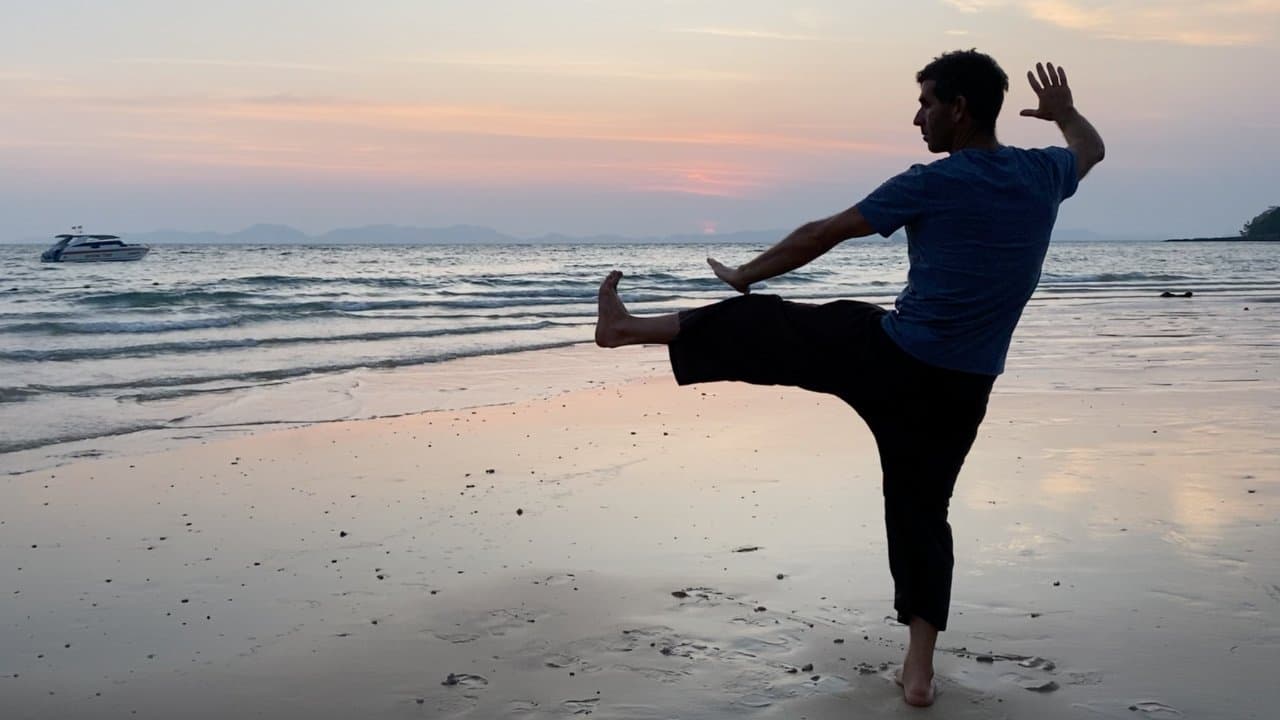
Qigong for lung capacity offers a gentle way to explore the connection between posture, movement and breathing.
While Qigong should not be viewed as a replacement for medical treatment or a way to dramatically increase lung capacity overnight, regular practice may help improve breathing mechanics, diaphragmatic movement, posture and awareness of the breath.
By combining slow movement with controlled breathing, Qigong encourages the body to move and breathe as one connected system.
The Breath-Body Link: How Qigong Supports Healthier Breathing
Healthy breathing does not happen only in the lungs.
The diaphragm, rib cage, intercostal muscles, spine, shoulders and surrounding connective tissue all play a role.
When the body becomes stiff or tense, the chest may have less freedom to expand comfortably.
Common factors that can affect breathing include:
Rounded shoulders
Tight chest muscles
Poor spinal mobility
Chronic stress
Long periods of sitting
Shallow breathing habits
Qigong breathing exercises combine gentle movement with slower, more intentional breathing.
As the arms rise, the spine lengthens or the chest opens, the breath can naturally move more freely through the rib cage.
The goal is not to force a larger breath.
It is to create more space for the breath.
This distinction is important. Deep breathing should feel comfortable and natural rather than strained.
Qigong for Lung Capacity and Posture
One of the simplest benefits of regular Qigong practice is its focus on posture.
Modern life often encourages a forward position.
We spend time looking at phones, computers and desks. Over time, the shoulders may gradually move forwards and the upper back can become stiff.
Gentle Qigong movements help counter this pattern by encouraging:
Spinal extension
Shoulder mobility
Chest opening
Rib cage movement
Relaxation through the neck and upper body
Improving posture does not necessarily mean standing perfectly straight all day.
It means developing enough mobility and awareness to move comfortably through different positions.
When the upper body is less restricted, breathing may feel easier and more natural.
Combining Movement, Breathing and Circulation
Breathing and movement influence circulation throughout the body.
The movement of the diaphragm creates pressure changes within the chest and abdomen, while muscle contractions and body movement also support the circulation of blood and lymph.
This is one reason gentle movement can be valuable alongside breathing practices.
Chinese lymphatic drainage exercises are often discussed in relation to rhythmic movement, gentle muscle activation and deep breathing.
Qigong naturally includes many of these elements.
Slow weight shifting, arm movements, gentle spinal mobility and relaxed breathing encourage the whole body to remain active without placing excessive stress on the joints.
Rather than focusing on one area in isolation, Qigong treats movement as a connected experience.
Three Classical Qigong Exercises for Breath and Vitality
Drawing the Bow
Drawing the Bow is one of the best-known movements from traditional Qigong practice.
The movement involves opening the arms as though drawing a bow while maintaining a stable stance.
As the arms open, the chest and upper back move gently.
This can help develop awareness of the relationship between posture and breathing.
Practice slowly.
Allow the inhale and exhale to follow the movement naturally rather than trying to hold or force the breath.
Holding Up the Heavens
This movement involves slowly raising the arms overhead before returning them down.
The upward movement encourages length through the sides of the body and may help mobilise the shoulders and rib cage.
As the arms rise, breathe comfortably.
As they lower, allow the body to relax.
The movement should feel smooth rather than like a stretch that needs to be pushed.
Expanding the Chest
A gentle chest-opening movement can be particularly useful after long periods of sitting.
Slowly open the arms to the sides while allowing the chest to broaden.
Then return to a relaxed position.
This can help counter the feeling of tightness that sometimes develops around the chest and shoulders.
The purpose is not to force the chest open.
Think of creating space rather than stretching aggressively.
The Qigong Fascia Release Method and Chest Tension
The phrase qigong fascia release method is increasingly used to describe the way slow movement may support mobility through the body's connective tissues.
Fascia surrounds and connects muscles, organs and other structures throughout the body.
It is not something that needs to be aggressively broken apart or manually forced to release.
Instead, regular movement, changes in position and gentle stretching can help maintain mobility and reduce the feeling of stiffness.
In Qigong, slow movements through the arms, shoulders, spine and chest encourage the body to move through a variety of comfortable ranges.
This may be particularly useful for people who feel tight through the upper body.
The qigong fascia release method is therefore less about one dramatic technique and more about consistent, varied movement.
Breath can support this process by encouraging relaxation.
When we feel stressed, we often unconsciously tighten the shoulders, jaw and chest.
Slow movement combined with calm breathing can help us become more aware of these patterns.
A Simple Morning Qigong Routine
A short morning practice can help prepare the body for the day.
You do not need a long session.
Try this simple sequence:
1. Stand and settle
Stand comfortably with the knees relaxed.
Take a few natural breaths and notice how the body feels.
2. Raise and lower the arms
Slowly lift the arms as you breathe comfortably.
Lower them again without forcing the breath.
Repeat several times.
3. Open the chest
Gently move the arms outwards and allow the upper body to open.
Return slowly.
Keep the shoulders relaxed.
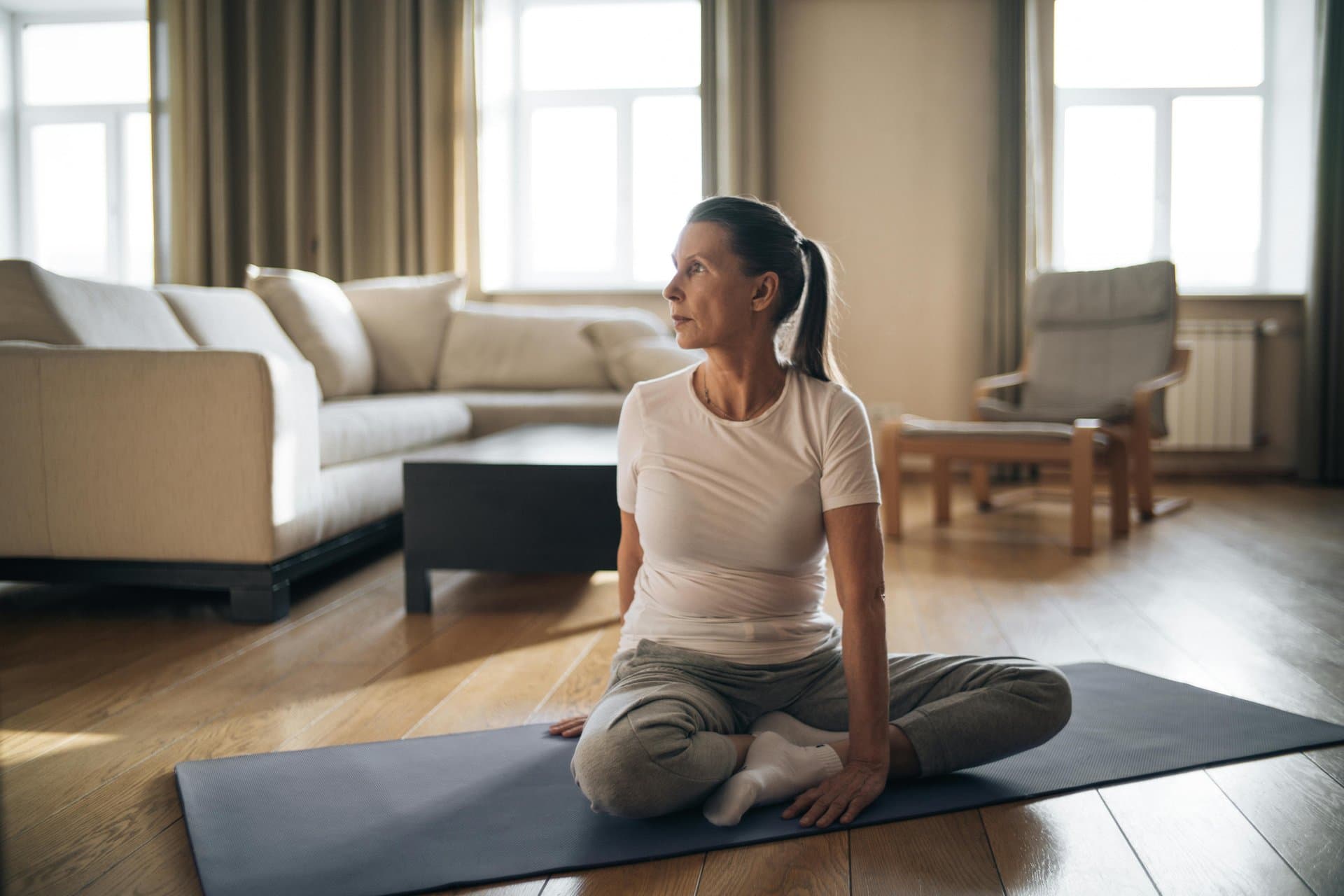
4. Twist gently through the spine
Allow the arms and torso to rotate gently from side to side.
Keep the movement easy.
5. Finish with relaxed breathing
Stand quietly for a moment.
Allow the breath to return to its natural rhythm.
This type of routine can also support general mobility and circulation, making it a useful addition to other forms of gentle exercise.
Why Relaxation Matters
One of the most overlooked parts of breathing is relaxation.
Many people try to improve their breathing by taking bigger and bigger breaths.
But more effort does not always mean better breathing.
Sometimes the body needs less tension rather than more air.
Relaxing the shoulders, jaw and abdomen can allow the diaphragm and rib cage to move more comfortably.
This is where Qigong can be particularly helpful.
The practice encourages attention without excessive effort.
You are not trying to control every part of the body.
You are learning to notice, move and breathe with greater awareness.
Can Qigong Improve Lung Health?
Qigong may support respiratory wellbeing by encouraging gentle physical activity, improved posture, relaxation and more conscious breathing.
However, it should not be presented as a cure for respiratory conditions or a replacement for medical treatment.
If you have asthma, COPD, heart disease or another condition that affects breathing, it is important to follow the advice of an appropriate healthcare professional.
The most realistic benefit for many people is improved awareness of their breathing and greater comfort moving the chest, spine and shoulders.
Over time, regular practice may help create healthier movement and breathing habits.
Frequently Asked Questions
Does Qigong increase lung capacity?
Qigong may support breathing mechanics, posture and chest mobility, but it should not be viewed as a guaranteed way to significantly increase measured lung capacity.
Its benefits are more likely to come from improving how comfortably and efficiently the body moves and breathes.
How often should I practise Qigong breathing exercises?
Even a short daily practice can be useful.
Consistency is generally more important than intensity.
Five to ten minutes of gentle practice may be easier to maintain than occasional long sessions.
Should I breathe as deeply as possible?
No.
Breathing should feel comfortable and relaxed.
Forcing deep breaths can sometimes create tension or lightheadedness.
Allow the breath to gradually deepen naturally if it feels comfortable.
Is Qigong suitable for beginners?
Yes.
One of the strengths of Qigong is that movements can often be adapted to different ages and mobility levels.
The most important thing is to begin gently and avoid pushing into pain.
Bringing Breath and Movement Together
Qigong for lung capacity is not about forcing the body to breathe harder.
It is about creating the conditions for easier movement and breathing.
Gentle posture work, chest mobility, diaphragmatic awareness and relaxed movement can all support the way the body feels throughout the day.
Practices such as qigong breathing exercises, gentle spinal movement and relaxed weight shifting offer a simple way to reconnect with the breath.
Over time, the greatest benefit may not come from one exercise.
It may come from developing a regular habit of moving, breathing and relaxing with greater awareness.