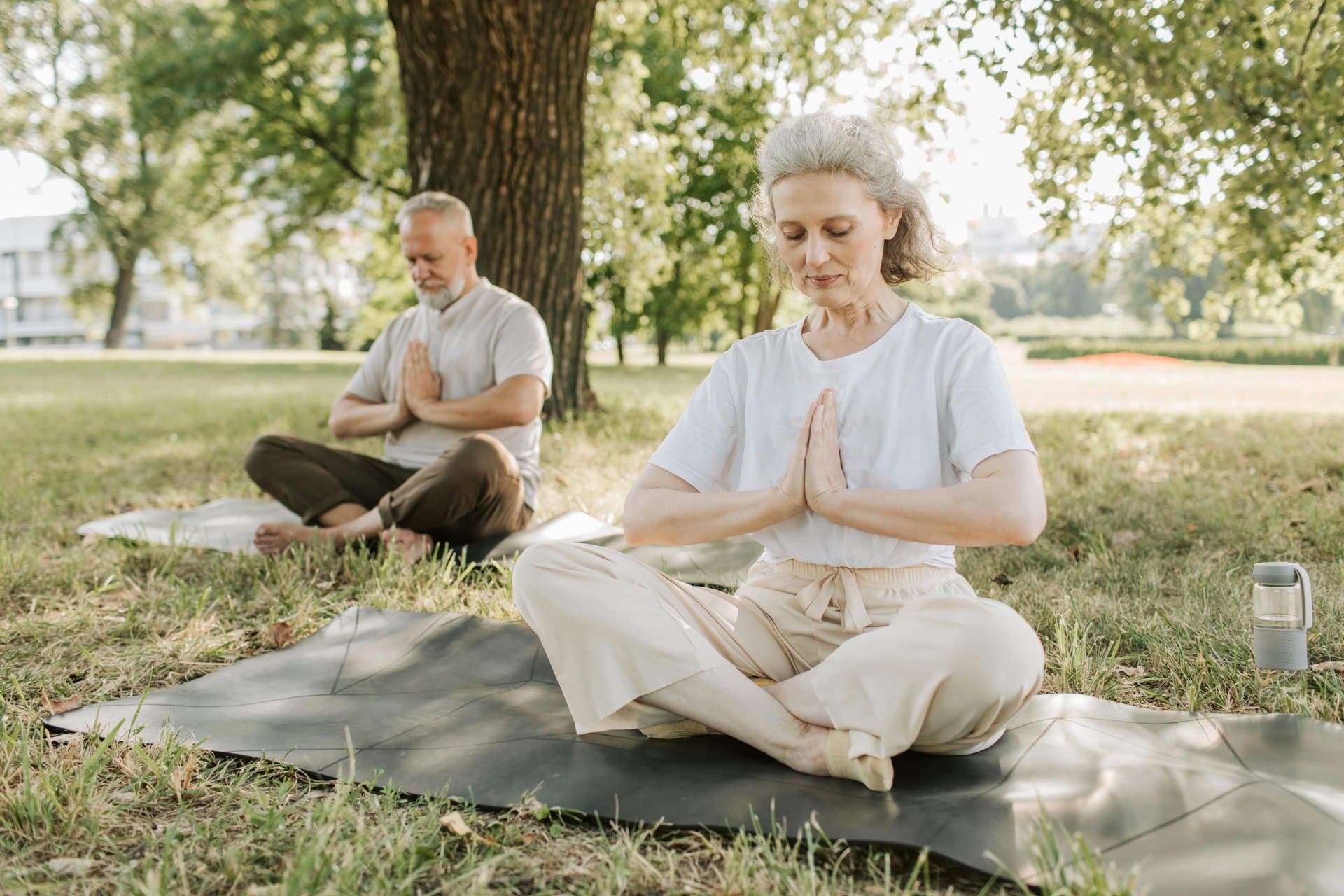
Caring for someone can be deeply meaningful, but it can also be emotionally and physically exhausting.
Many carers spend so much time responding to another person's needs that their own needs are repeatedly pushed aside.
That is why micro-mindfulness breaks for carers can be so valuable.
You do not always have 30 minutes for meditation, a long walk or a yoga class. Sometimes you only have a few minutes while the kettle boils, before entering a room or while sitting quietly for a moment.
Those small pauses can still matter.
Micro-mindfulness is not about adding another task to your day.
It is about using short moments that already exist to reconnect with your breath, body and present experience.
What Are Micro-Mindfulness Breaks and Why Do They Work?
A micro-mindfulness break is a short practice designed to interrupt the feeling of constantly being "on".
Caregiving can involve continuous problem-solving, emotional demands and practical responsibilities.
Over time, it can become difficult to notice when your shoulders are tense, your breathing has become shallow or your mind is racing from one task to the next.
Short pauses can help create a moment of awareness.
They might involve:
Taking three slow breaths
Relaxing the shoulders
Feeling your feet against the floor
Noticing sounds around you
Moving gently for a minute
Simply sitting without doing anything
These are not solutions to the pressures of caregiving.
But they can help create small moments of recovery within a demanding day.
3 Quick Somatic Rest Routines You Can Do in Under Three Minutes
1. The Kettle Boil Grounding
Waiting for the kettle to boil is a moment many people normally spend reaching for their phone or thinking about the next task.
Instead, use it as a short grounding practice.
Stand comfortably and place both feet on the floor.
Notice the feeling of your weight moving down through your feet.
Relax your jaw.
Allow your shoulders to drop.
Take a slow breath in and an easy breath out.
Then simply notice what you can hear around you.
The sound of the kettle.
The room.
Your breathing.
There is nothing else you need to achieve during those few minutes.
This can be one of the simplest micro-rest routines for family carers because it fits naturally into something you already do.
2. The 60-Second Shoulder Drop
Stress often appears in the body before we consciously recognise it.
The shoulders gradually rise.
The jaw tightens.
The chest becomes rigid.
Pause for one minute.
Gently lift your shoulders towards your ears as you breathe in.
As you breathe out, slowly allow them to drop.
Repeat several times without forcing the movement.
Then gently circle the shoulders backwards.
Notice whether your breathing feels different once the muscles around your neck and shoulders have softened.
This combines mindful breathing with a simple movement practice.
Small movements can be particularly helpful during busy days when you have spent long periods sitting, standing or working in the same position.
3. The Doorway Breath Check
Before entering a room, pause briefly at the doorway.
Take one slow breath.
Ask yourself:
• How is my body feeling?
• Where am I holding tension?
• How is my breathing?
• What do I need right now?
You do not have to fix anything.
Simply notice.
Then take one more slow breath and continue.
This practice can be especially useful when moving between different responsibilities throughout the day.
The doorway becomes a reminder to pause rather than carrying the tension from one moment directly into the next.
Protecting Emotional Energy
Caring for another person often requires a great deal of emotional energy.
You may need to remain patient when you are tired, supportive when you feel overwhelmed and calm when the situation around you is difficult.
Over time, this emotional demand can contribute to exhaustion.
Carer compassion fatigue recovery is not about becoming less caring.
It is about recognising that constantly giving emotional energy without opportunities for rest can become difficult to sustain.
Micro-mindfulness breaks for carers can provide small opportunities to reconnect with yourself during the day.
Other helpful practices — including somatic breathwork and gentle movement — may include:
Gentle breathing
A short body scan
Slow walking
Qi Gong-style arm movements
Gentle stretching
Sitting quietly for a few minutes
Practising mindful awareness while drinking a cup of tea
The important thing is that the practice feels supportive rather than becoming another responsibility.
Shifting From Guilt to Sustainable Self-Care
Many carers experience guilt when they take time for themselves.
There may always seem to be something more important to do.
But carer burnout self-care is not about putting your needs above the person you care for.
It is about recognising that you are part of the situation too. Building simple daily nervous system habits can make a meaningful difference over time.
Rest is not something you need to earn after reaching complete exhaustion.
A three-minute pause may seem insignificant.
But these small moments can help you develop a habit of noticing your own needs before you reach breaking point.
You do not need to do everything perfectly.
You simply need moments when you can stop, breathe and remember that you are a person as well as a carer.
Frequently Asked Questions
How often should carers take mindfulness breaks?
There is no perfect number.
A few short pauses throughout the day can be easier to maintain than trying to find a long block of uninterrupted time.
Do I need to meditate to practise mindfulness?
No.
Quick mindfulness for carers can involve breathing, walking, gentle movement or simply paying attention to what is happening in the present moment.
What if I feel guilty taking time for myself?
Guilt is common among carers.
Try to remember that a few minutes of rest does not mean you are neglecting someone. Looking after your own wellbeing can help make caring more sustainable.
Can micro-mindfulness prevent burnout?
No single practice can prevent burnout, especially when someone is facing significant caring demands.
However, regular moments of rest, emotional support and self-awareness can form part of a healthier approach to managing ongoing stress.
Bringing It All Together
Micro-mindfulness breaks for carers are not about finding more time.
They are about noticing the small moments that already exist.
While the kettle boils.
Before entering a room.
While sitting down.
During one slow breath.
You do not need to become perfectly calm or practise mindfulness for hours every day.
Sometimes the most helpful thing you can do is simply pause long enough to notice how you are feeling.
Caring for yourself is not separate from caring for others.
It is part of making care sustainable.