Walking is one of the simplest ways to stay active. But recently, a new variation has attracted attention online: lymphatic walking.
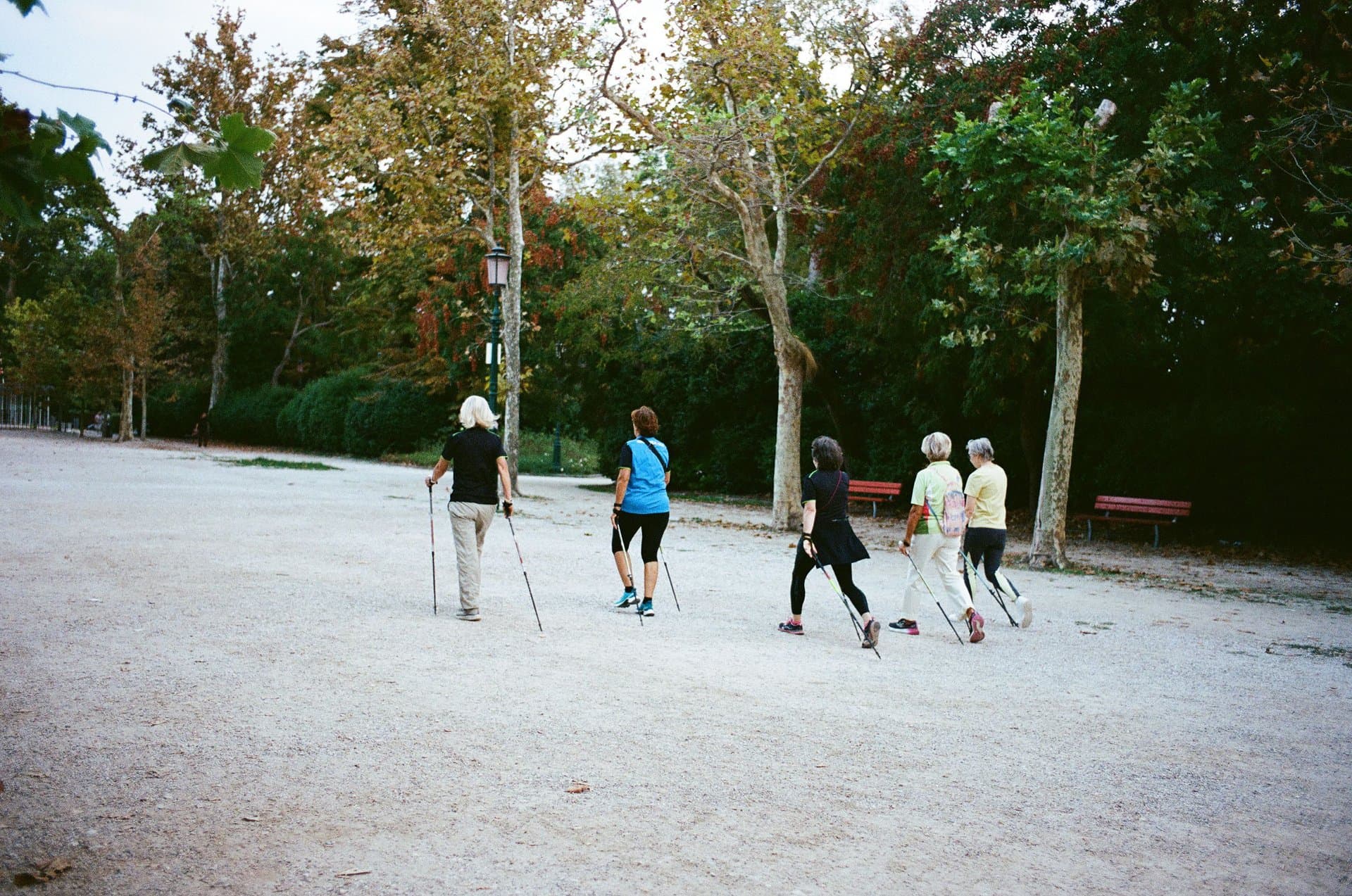
The idea is straightforward. You walk at a comfortable pace while paying attention to your posture, breathing and natural arm movements. Some versions include gentle stretches, deliberate steps or small movements designed to encourage lymph flow.
But does lymphatic walking actually work, and is it different from ordinary walking?
The answer is more straightforward than some social media claims suggest. Movement does help support the normal movement of lymph fluid through the body. However, there is currently no strong evidence that a specific lymphatic walking routine works better than regular walking for someone with a healthy lymphatic system.
What Is Lymphatic Walking?
Lymphatic walking is a wellness term rather than a standardised medical exercise programme.
The routines promoted under this name usually involve gentle, rhythmic walking combined with relaxed breathing, upright posture and natural movement of the arms and legs.
Some versions include small steps, shoulder movements or brief pauses to shift weight from one foot to the other.
These movements are generally accessible and can be a comfortable way to introduce more activity into your day.
However, there is no single recognised lymphatic walking method. Different instructors and online videos may use the term to describe different routines.
It is therefore useful to distinguish the activity itself from the claims sometimes made about it.
Walking is a normal form of physical activity that supports overall health. The claim that a particular walking technique can rapidly detoxify the body, eliminate bloating or produce special lymphatic benefits is a different matter, and those effects have not been established.
Why Does the Lymphatic System Need Movement?
Your lymphatic system is a network of vessels, lymph nodes and other tissues that works alongside your circulatory and immune systems.
One of its important functions is to collect excess fluid from the spaces around your cells and return it to the bloodstream.
That fluid becomes known as lymph. As it travels through the lymphatic vessels, it passes through lymph nodes, where immune cells help identify and respond to potentially harmful substances.
Unlike your blood circulation, which has the heart as its central pump, the lymphatic system does not have one central pump moving fluid around your body.
Instead, lymph movement depends on several mechanisms, including contractions of the lymphatic vessels, changes in pressure during breathing and the movement of surrounding muscles.
This is where physical activity becomes relevant.
When your muscles contract and relax during walking, they help create pressure changes around lymphatic vessels. Those changes can support the movement of lymph through the body.
You do not need a special walking routine to make this process happen.
For a more detailed explanation of how traditional Chinese movement practices combine gentle movement, breathing and body awareness, see our guide to Chinese movements for lymphatic drainage.
Does Lymphatic Walking Work Better Than Regular Walking?
There is no convincing evidence that lymphatic walking is superior to ordinary walking for maintaining lymphatic health in people without a lymphatic disorder.
The movements promoted by the trend may encourage you to walk more mindfully, breathe comfortably and move your shoulders and arms rather than keeping your body rigid.
Those can be useful habits.
But there is no established evidence that walking with a particular arm swing, taking a prescribed number of small steps or following a specific sequence provides a unique lymphatic benefit beyond normal physical activity.
Claims about dramatic detoxification, rapid fat loss or the elimination of unexplained swelling should also be treated cautiously.
Your lymphatic system already performs essential functions continuously. It does not generally require a special routine to remove toxins from an otherwise healthy body.
If you enjoy lymphatic walking, there is no need to stop. Simply think of it as a gentle form of walking rather than a medical treatment.
How Walking Supports Everyday Health
The value of walking extends well beyond the lymphatic system.
Regular walking can contribute to cardiovascular fitness, muscular endurance, mobility and general physical activity levels.
It also gives you regular opportunities to change position, move your joints and use muscles that may remain relatively inactive when you sit for long periods.
For someone who spends much of the day at a desk, even a short walk can be a practical way to interrupt prolonged sitting.
Walking outdoors may also provide a welcome mental break, particularly when you pay attention to your surroundings instead of focusing on a screen.
You do not need to walk quickly or for a long distance to begin building a routine. Start with an amount that feels manageable and gradually increase it as your fitness and circumstances allow.
A Simple Five-Minute Walking Practice
You can explore mindful walking without buying equipment or learning a complicated routine.
Begin by standing comfortably and noticing your natural breathing.
Start walking at a relaxed pace. Allow your arms to swing naturally rather than forcing a particular movement.
Notice how your feet meet the ground and how your weight shifts from one leg to the other.
Let your shoulders remain relaxed, and avoid deliberately taking exaggerated breaths.
After a minute or two, pay attention to whether you are holding tension in your jaw, hands or shoulders. Gently release any unnecessary tension you notice.
Continue walking at a comfortable pace.
When you finish, pause briefly and notice how your body feels.
This practice is not intended to flush toxins from your body or produce an immediate change in swelling. It is simply a way to combine everyday walking with greater body awareness.
If you enjoy combining movement with breathwork and relaxation, our free Qigong for Lymphatic Drainage & Stress Relief course offers guided practices you can explore at home.
Can Lymphatic Walking Reduce Swelling or Bloating?
This depends on the reason for the swelling.
Movement is an important part of managing some lymphatic conditions, and people with lymphoedema may benefit from exercise as part of a treatment plan recommended by their healthcare team.
However, swelling can have many causes, including problems affecting the lymphatic system, veins, heart, kidneys or other parts of the body.
A gentle walking routine should not be used as a substitute for assessing unexplained or persistent swelling.
There is also insufficient evidence to conclude that lymphatic walking reliably reduces abdominal bloating. Bloating can be related to digestion, food sensitivities, constipation and other factors that walking alone may not address.
If you have a diagnosed lymphatic condition, ask your healthcare professional which activities are appropriate for you.
Bringing It All Together
Lymphatic walking is a simple way to combine gentle activity with attention to posture, breathing and body movement.
The underlying principle makes sense: regular muscle activity helps support normal lymph movement.
What is less certain is whether the special techniques promoted under the name offer additional benefits beyond ordinary walking.
Rather than worrying about the perfect steps or breathing pattern, focus on moving regularly in a way that feels comfortable and sustainable.
Walk at a pace that suits you, allow your arms to move naturally and avoid treating exercise as a quick detox solution.
Sometimes the most useful approach is not a new technique. It is finding an enjoyable way to keep moving consistently.
Frequently Asked Questions
What is the best way to do lymphatic walking?
There is no single medically established method. A comfortable walk with natural arm movement and relaxed breathing is a reasonable starting point for most people.
Is lymphatic walking better than normal walking?
There is currently no strong evidence that a special lymphatic walking routine provides greater lymphatic benefits than regular walking in otherwise healthy people.
How long should you do lymphatic walking?
Choose a duration that suits your current fitness and gradually build a regular walking habit. There is no established lymphatic-specific duration that everyone needs to follow.
Can lymphatic walking detox your body?
There is no good evidence that lymphatic walking provides a special detoxification effect. Your liver, kidneys and other body systems already carry out essential waste-processing functions.