The lymphatic system plays an important role in maintaining fluid balance, supporting immune function and returning excess fluid from tissues back into circulation. Unlike the cardiovascular system, it does not have a central pump, so lymph movement depends partly on muscle contractions, breathing and regular physical activity.
As we get older, staying active becomes increasingly important. Changes in muscle strength, mobility and daily activity levels can mean that we spend more time sitting and moving less than we once did. Understanding the connection between the lymphatic system and ageing can therefore help us see why regular movement is such an important part of healthy ageing.
The good news is that supporting lymphatic health does not require intense exercise. Everyday movement can make a meaningful contribution.
How Movement Supports the Lymphatic System
Lymph is moved through the body partly by the contraction and relaxation of surrounding muscles. When you walk, climb stairs, move your arms or gently bend your legs, your muscles create mechanical forces that contribute to the movement of lymph.
Breathing also plays a role. The movement of the diaphragm creates changes in pressure within the chest and abdomen, which contribute to normal lymphatic circulation.
This gives us a simple principle: movement and breathing work together to support the body's natural lymphatic processes.
What Changes With the Lymphatic System as We Age?
Ageing is a natural process, and the lymphatic system continues to function throughout life. However, several changes that commonly occur with age can influence how much we move.
Muscle mass and strength can gradually decline without regular activity. Joint stiffness may make certain movements less comfortable, while balance and confidence can also change. At the same time, retirement, reduced mobility or health conditions may lead to more time spent sitting.
These changes do not mean that lymphatic health inevitably deteriorates with age. They highlight the importance of maintaining as much comfortable movement as possible.
Even small amounts of regular activity can be preferable to spending most of the day inactive.
Why Regular Movement Matters More Than Intense Exercise
When it comes to lymphatic health, you do not need to train intensely or complete demanding workouts.
Walking, gentle mobility exercises, stretching, swimming and practices such as Qi Gong can all provide regular muscle activity while helping maintain mobility and coordination.
For healthy ageing, the benefits of movement extend well beyond the lymphatic system. Staying physically active can also support:
Muscle strength and physical function
Balance and coordination
Joint mobility
Cardiovascular health
Independence in everyday activities
Energy and general wellbeing
Confidence in movement
This is why movement should be viewed as part of everyday health rather than something reserved for workouts.
If you are looking for a simple starting point for building healthier daily habits, our free 21-Day Guide to Living Well course explores important foundations of wellbeing, including the role of movement alongside other practical habits for looking after your body and mind.
Simple Ways to Keep Moving as You Age
One of the easiest ways to support the lymphatic system as you age is to build more movement into your normal day.
Walk Every Day
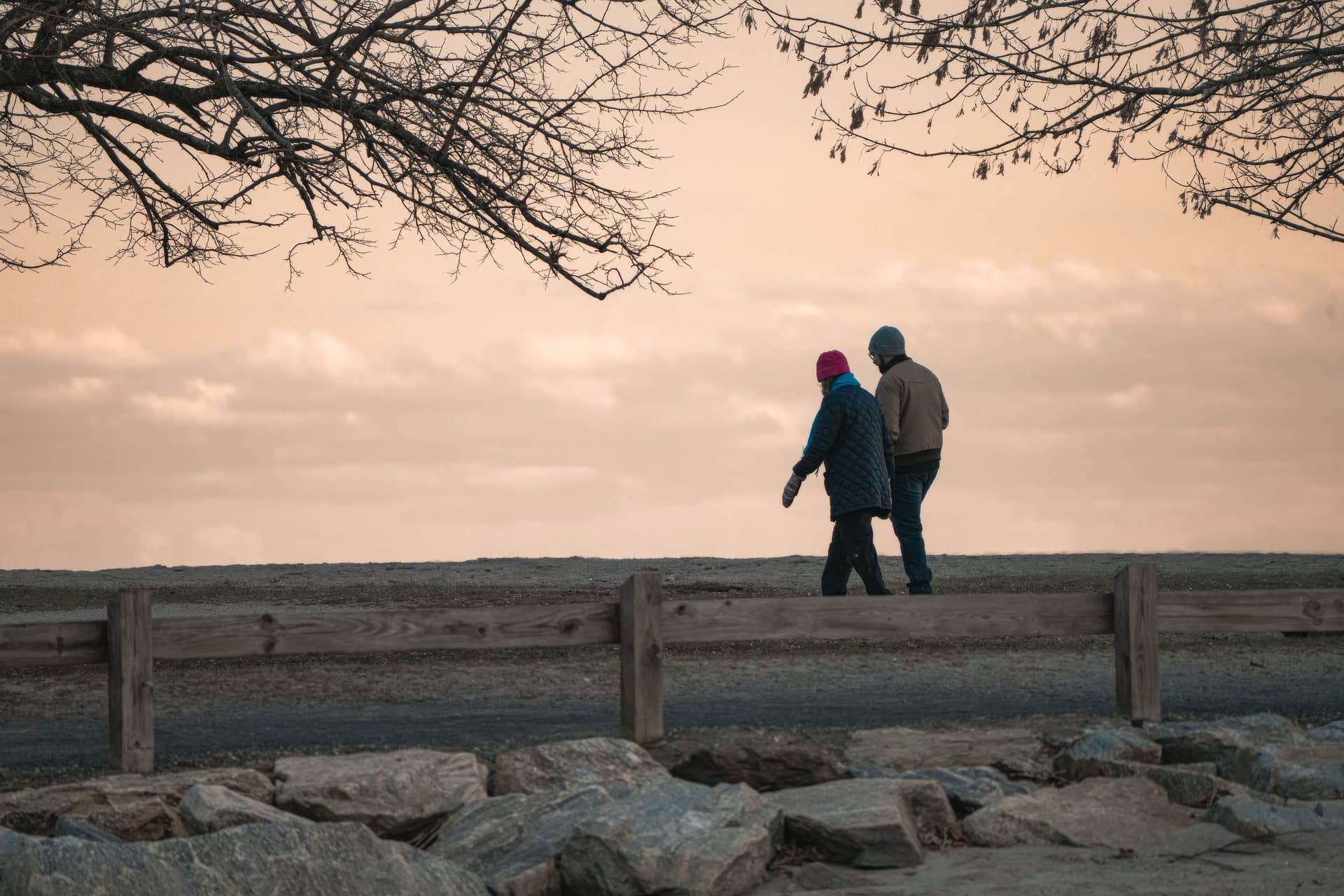
Walking is accessible, low-impact and easy to adapt to your fitness level. Even shorter walks can help break up long periods of sitting.
Move Your Joints Regularly
Gentle circles through the shoulders, ankles, wrists and hips can help maintain mobility. You can perform these movements while standing or sitting.
Use Your Muscles
Simple movements such as heel raises, sit-to-stands and gentle leg exercises provide useful muscle activity without requiring a gym.
Practise Gentle Flowing Movement
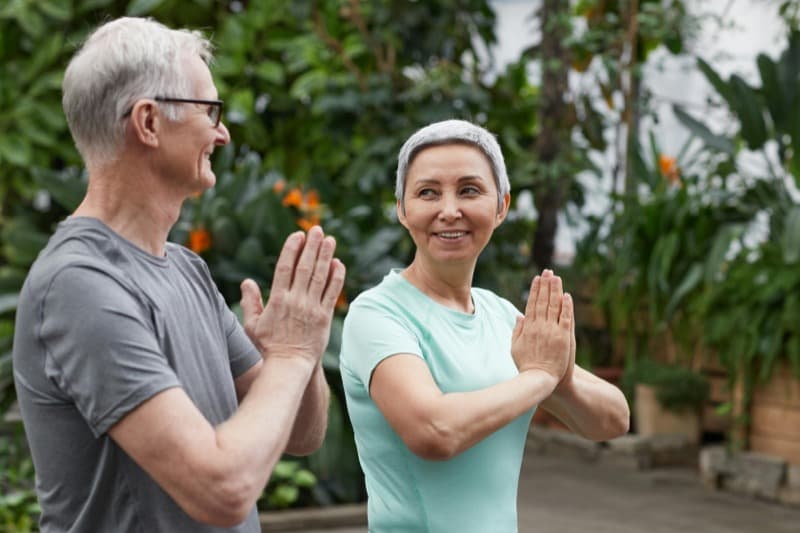
Qi Gong and similar mind-body practices combine movement, breathing and awareness. Their slow, controlled nature can make them particularly approachable if vigorous exercise is uncomfortable.
Break Up Long Periods of Sitting
You do not need to wait for a dedicated exercise session. Stand up, walk around the room, stretch or perform a few gentle movements throughout the day.
These small interruptions can add up over time.
Movement and Healthy Ageing Go Together
Lymphatic health is just one reason to remain active as we age.
The ability to get out of a chair, walk comfortably, reach overhead, climb stairs and maintain balance all contribute to independence and quality of life. Maintaining these abilities requires regular use of the body.
This is also why it can be helpful to think about movement as a daily habit rather than something you only do when you have time for a formal workout.
Frequently Asked Questions
Does ageing stop the lymphatic system from working properly?
No. The lymphatic system continues to function as we age. However, changes in physical activity, muscle strength and mobility can affect how much movement the body receives, making regular activity particularly valuable.
What is the best exercise for lymphatic health as you age?
There is no single exercise that is best for everyone. Walking, swimming, gentle strength exercises, mobility work and flowing practices such as Qi Gong can all provide useful movement. The most appropriate activity is one that you can perform safely and consistently.
How much movement do older adults need?
The amount depends on individual health, fitness and ability. A useful starting point is to avoid long periods of inactivity and gradually build regular movement into the day.
Can gentle exercise support lymphatic circulation?
Yes. Gentle movement involves muscle contractions and changes in body position that contribute to normal lymph movement. It can be particularly useful for people who find high-impact exercise uncomfortable.
Bringing It All Together
The relationship between the lymphatic system and ageing is closely connected to one of the simplest principles of healthy living: keep moving.
As we get older, maintaining strength, mobility and confidence becomes increasingly important. Walking, gentle exercise, breathing and everyday movement all provide opportunities to support normal lymphatic circulation while also helping preserve physical function.
You do not need an intense workout or complicated routine. A little movement throughout the day, repeated consistently, can be a valuable part of ageing well.