Sleep is one of the most important foundations of health, giving the body and brain time to recover, regulate important processes and restore energy for the day ahead.
At the same time, the lymphatic system is constantly working to maintain fluid balance and transport substances through the body. There is also a related system in the brain, known as the glymphatic system, which is involved in the movement of cerebrospinal fluid and the clearance of metabolic waste. Research suggests that sleep is an important state for this process, although the relationship between sleep and glymphatic function is still being studied.
So, what is the connection between the lymphatic system and sleep, and can gentle movement help you sleep better?
How Sleep and the Lymphatic System Are Connected
The lymphatic system and the glymphatic system are related but they are not the same system.
The body's lymphatic system helps transport lymph fluid, support immune function and maintain fluid balance. Lymph movement is influenced by factors including the contraction of lymphatic vessels, muscle activity and breathing.
The glymphatic system is a specialised fluid-transport pathway within the brain. Research suggests that its activity is influenced by sleep, with several studies finding changes in cerebrospinal fluid movement and glymphatic-related processes during sleep. However, researchers are still working to understand exactly how these mechanisms operate in humans.
This gives us an interesting connection between movement, relaxation and sleep, without suggesting that ordinary exercise directly "drains" the brain or lymphatic system overnight.
Can Gentle Movement Help You Sleep?
Regular physical activity is associated with better health and can form part of a healthy sleep routine. But the type and timing of movement matter.
A vigorous workout immediately before bed may feel stimulating for some people, while gentle movement can provide a calmer transition into the evening.
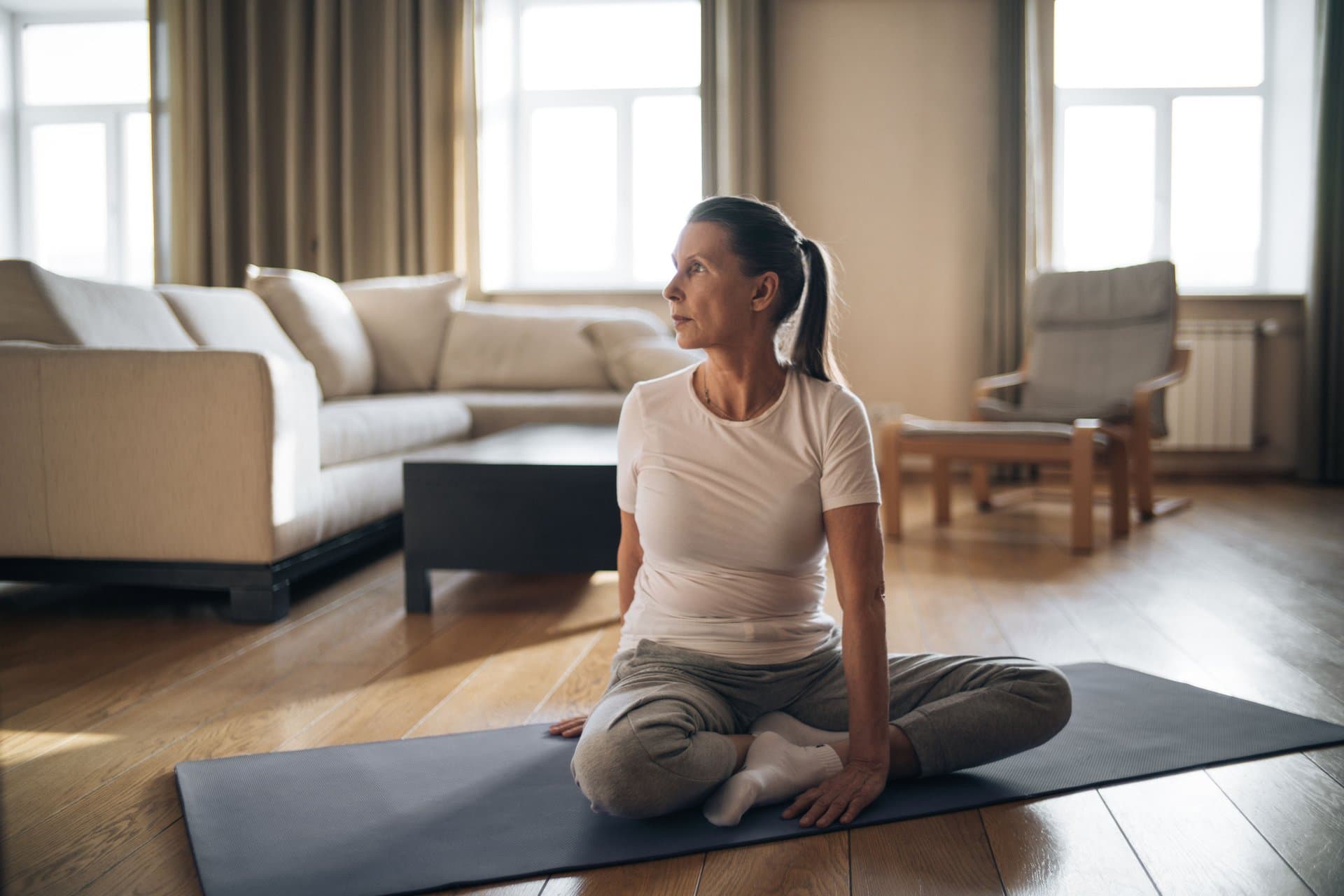
Slow stretching, mobility exercises, gentle Qi Gong and relaxed breathing can help you shift attention away from screens, work and daily stress while preparing the body for rest.
For a gentle, guided approach, our free Qigong for Lymphatic Drainage & Stress Relief course combines flowing movement, breathwork and relaxation to support lymphatic movement while helping you unwind.
5 Gentle Movements to Try Before Bed
You do not need a long routine. Try 5–10 minutes of comfortable movement in the evening.
1. Gentle Shoulder Rolls
Slowly roll your shoulders backwards several times, then forwards. Keep the movement relaxed and avoid forcing the range of motion.
2. Side-to-Side Weight Shifting
Stand comfortably and slowly shift your weight from one foot to the other. Let your arms move naturally and keep your breathing easy.
3. Gentle Torso Rotations
With your feet comfortably apart, slowly rotate your torso from side to side. Keep your hips relaxed and avoid trying to twist as far as possible.
4. Heel Raises
Rise slowly onto the balls of your feet and lower your heels back down. Repeat at a comfortable pace while breathing normally.
5. Slow Abdominal Breathing
Finish by sitting or lying comfortably. Allow your lower ribs and abdomen to expand gently as you inhale, then relax through the exhale.
The aim is not to force lymphatic flow. It is simply to combine gentle movement and relaxed breathing as part of a calming evening routine.
Why Evening Movement Can Be Useful
One of the biggest benefits of a gentle evening routine may have little to do with the lymphatic system itself.
Creating a consistent transition between daytime activity and bedtime can help you develop better sleep habits. A few minutes of quiet movement gives you an opportunity to step away from work, screens and other stimulating activities.
It can also help you notice areas of tension that have built up during the day.
This is particularly relevant as we age, when maintaining comfortable movement, balance and mobility can become increasingly important.
Movement During the Day Matters Too
Your evening routine is only one part of the picture.
Regular movement throughout the day supports normal lymphatic circulation and overall physical health. Walking, mobility exercises, swimming, strength training and gentle practices such as Qi Gong can all contribute to an active lifestyle.
You do not need to wait until bedtime to move your body. Breaking up long periods of sitting and taking regular walks can be just as important as having a short evening routine.
Frequently Asked Questions
Does the lymphatic system work while we sleep?
Yes. The lymphatic system continues to function during sleep. Lymph transport is a continuous physiological process rather than something that switches on only during exercise.
Does sleep improve lymphatic drainage?
Sleep is particularly important for the brain's glymphatic system, and research suggests that sleep influences cerebrospinal fluid movement and glymphatic-related processes. The evidence is still developing, particularly in humans.
Can exercise improve sleep?
Regular physical activity can form part of a healthy sleep routine. Gentle movement in the evening may also provide a relaxing transition towards bedtime, although individual responses to exercise timing vary.
Is Qi Gong good before bed?
Gentle Qi Gong can be suitable before bed because it combines slow movement, breathing and focused attention. Choose a relaxed practice rather than a vigorous or highly stimulating session.
Bringing It All Together
The relationship between the lymphatic system and sleep is more complex than simply saying that lymphatic drainage improves sleep. Your lymphatic system continues its normal work around the clock, while the brain's glymphatic system appears to be particularly influenced by sleep.
Gentle movement can support normal lymphatic circulation during the day, while a relaxed evening practice may help create the conditions for better rest.
A few minutes of slow movement, comfortable breathing and relaxation can therefore become a simple part of a wider healthy sleep routine.