The terms lymphatic drainage and exercise are often used together, but they are not the same thing. Both involve movement of the body and can support healthy lymphatic function, but they have different purposes and approaches.
Understanding lymphatic drainage vs exercise can help you choose the right type of movement for your needs and understand when gentle self-care may be appropriate.
What Is Lymphatic Drainage?
Lymphatic drainage generally refers to techniques designed to encourage the movement of lymph fluid through the lymphatic system. Manual lymphatic drainage, for example, is a specialised form of gentle massage performed using specific techniques and sequences.
There are also gentle self-massage and movement practices that people use as part of everyday lymphatic self-care.
These approaches are usually slow, light and deliberate rather than vigorous.
What Is Exercise?
Exercise is broader. It includes any planned physical activity that challenges or moves the body, from walking and swimming to strength training, cycling and gentle mobility exercises.
Exercise supports lymphatic movement partly through repeated muscle contraction and relaxation. Breathing also contributes to changes in pressure within the chest and abdomen, which can help move lymph through the body.
This means ordinary physical activity can support the lymphatic system without being specifically designed as a lymphatic technique.
Lymphatic Drainage vs Exercise: The Main Differences
While there is some overlap, the two approaches differ in several ways:
Purpose: Lymphatic drainage focuses specifically on supporting lymph movement, while exercise has wider effects on fitness, strength, mobility and cardiovascular health.
Intensity: Lymphatic drainage techniques are generally very gentle. Exercise can range from very light movement to vigorous training.
Technique: Lymphatic drainage uses specific, deliberate movements or massage techniques. Exercise includes a much wider variety of movements.
Professional guidance: Certain lymphatic drainage techniques may be provided by trained healthcare professionals, particularly for conditions such as lymphoedema.
Everyday use: Walking, stretching, breathing and gentle movement can easily be incorporated into daily routines.
Can Exercise Support Lymphatic Drainage?
Yes. Regular movement is one of the natural factors that helps lymph move through the body.
When muscles contract, they compress surrounding tissues and blood vessels. Combined with changes in pressure from breathing and movement of the joints, this contributes to normal lymph circulation.
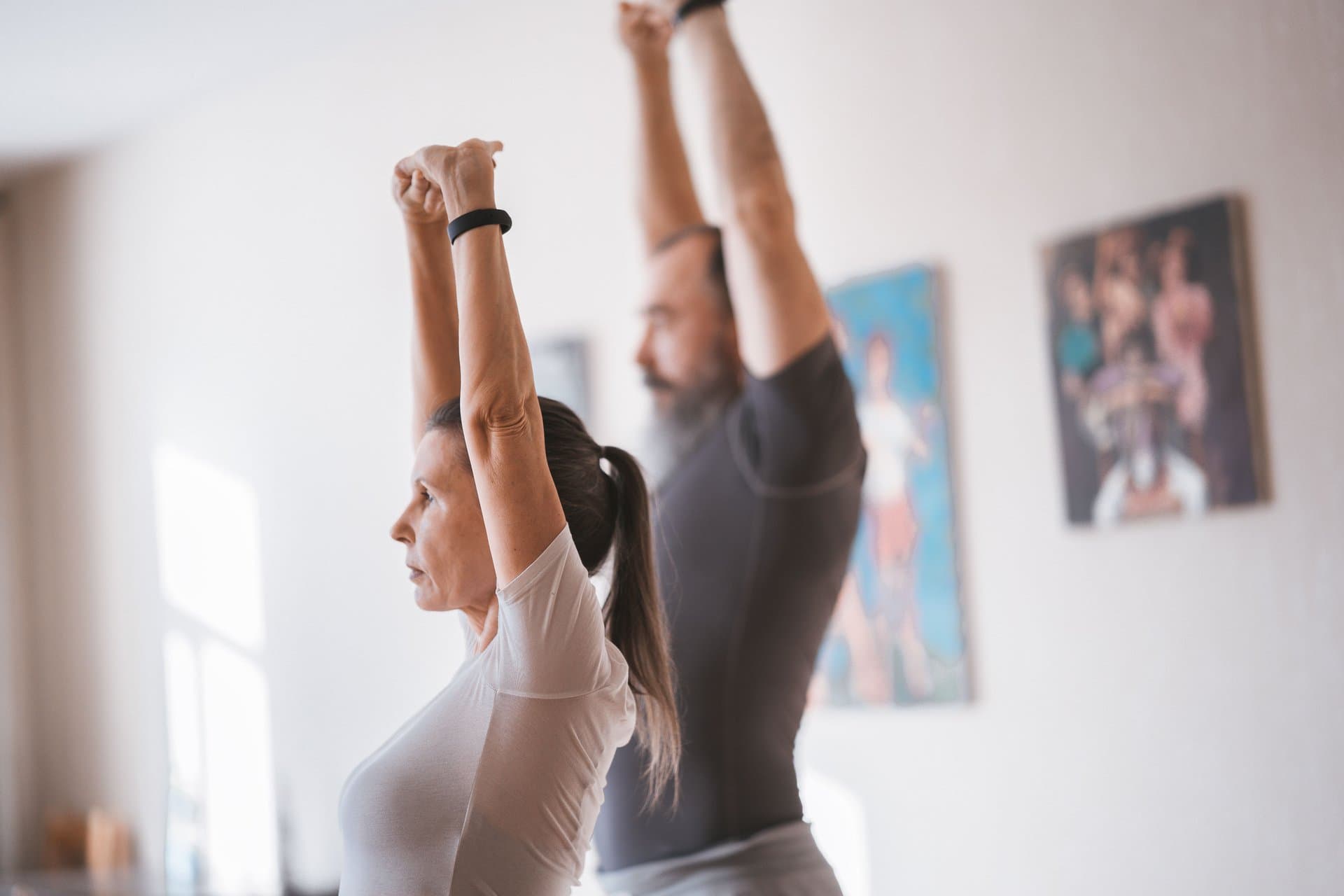
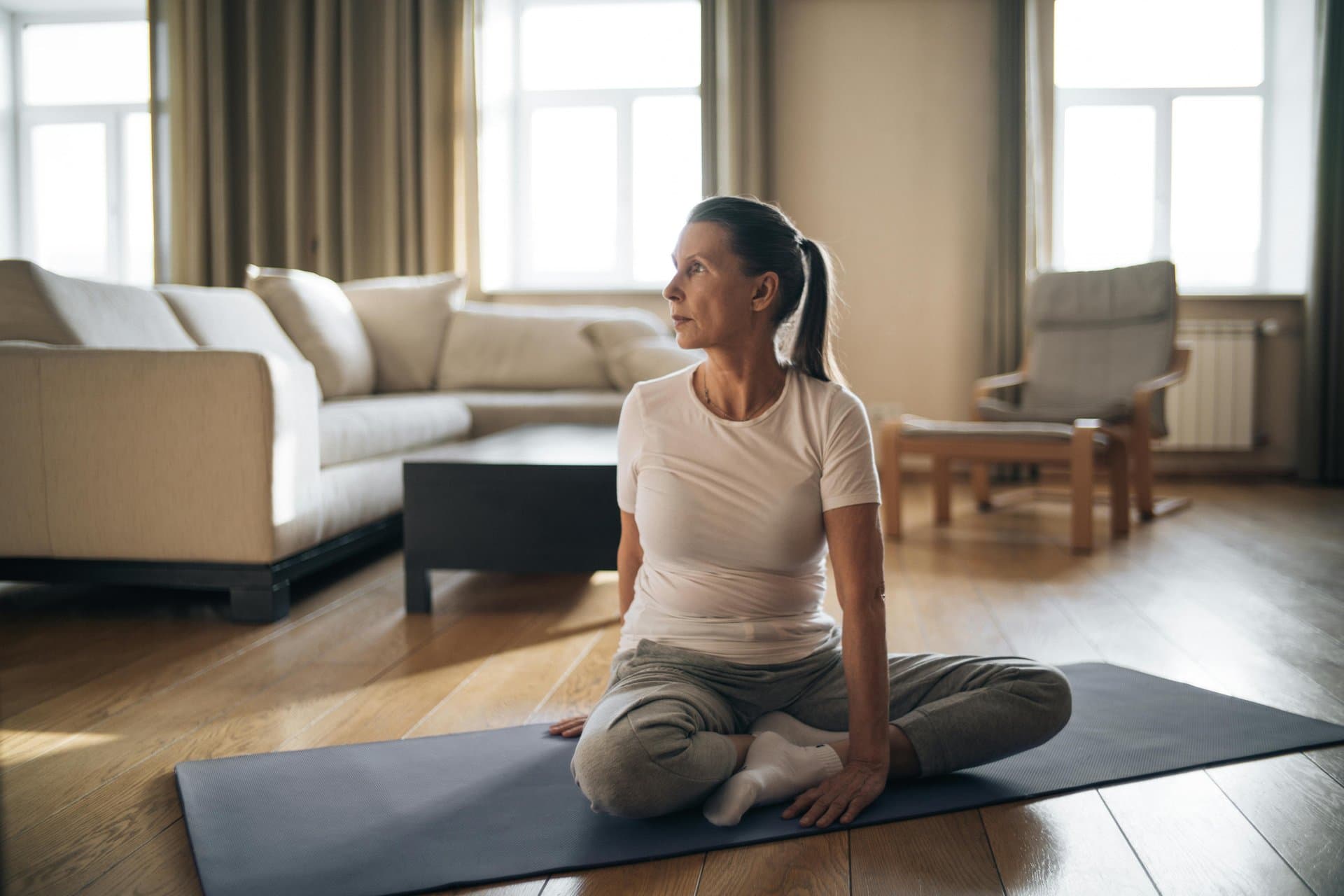
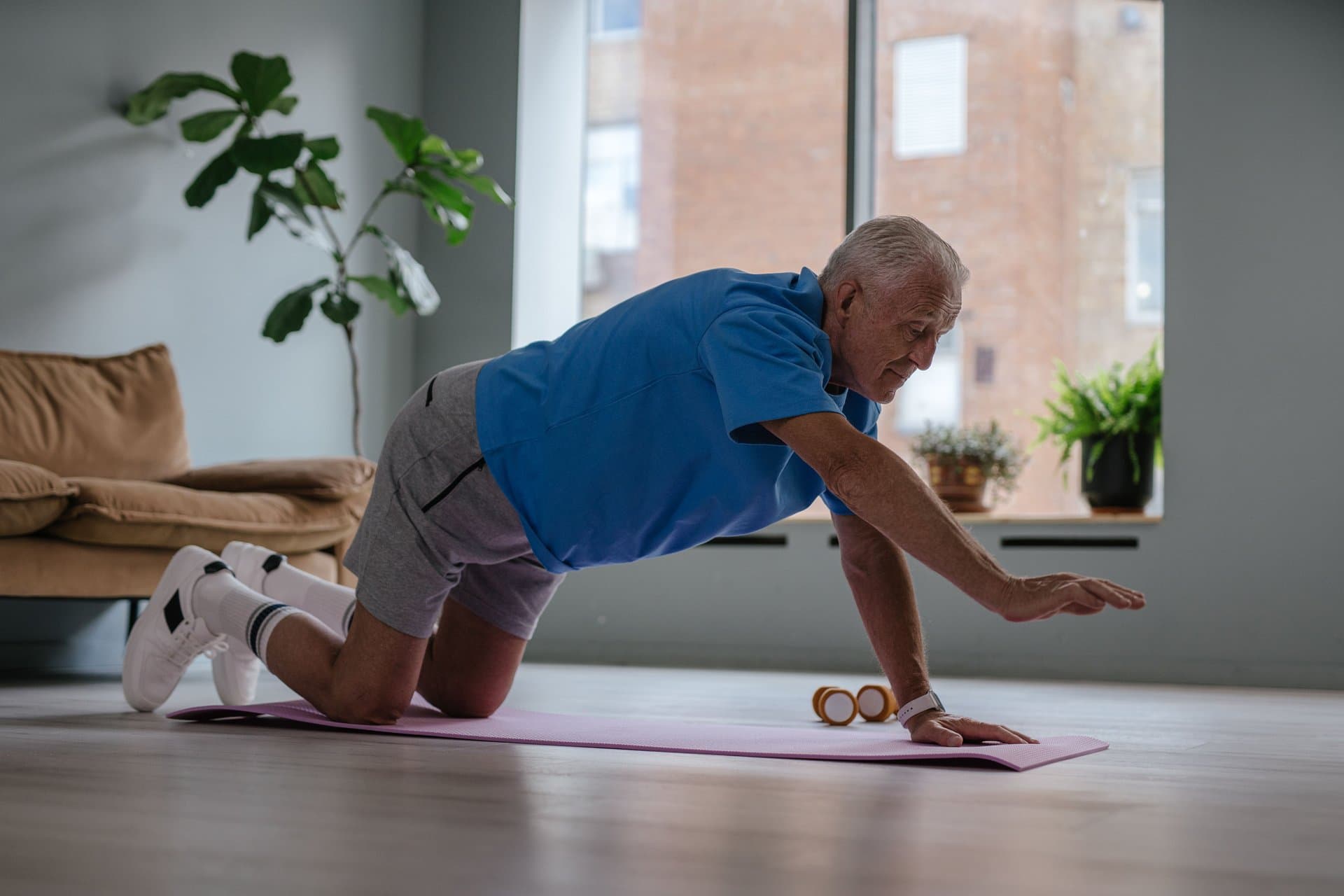
Gentle exercises such as walking, heel raises, marching and arm movements can therefore be useful forms of everyday lymphatic support.
Practices such as Qi Gong can combine several of these elements. Slow, flowing movements encourage whole-body mobility while relaxed breathing adds another component of natural lymphatic movement.
Our free Qi Gong for Lymphatic Drainage & Stress Relief course combines gentle movement, breathing and relaxation in guided practices.
Which Should You Choose?
It does not necessarily have to be one or the other.
For general wellbeing, regular physical activity is an important foundation. Walking, swimming, mobility exercises and strength training can all help you stay active while supporting normal circulation and lymphatic movement.
Gentle lymphatic-focused practices can be added when you want to spend more time focusing on relaxed movement, breathing and body awareness.
If you have diagnosed lymphoedema, significant swelling, have recently had surgery or have another medical condition affecting the lymphatic system, specific advice from a healthcare professional or lymphoedema specialist is more appropriate than simply increasing exercise.
Frequently Asked Questions
Is lymphatic drainage better than exercise?
They serve different purposes, so they are not directly interchangeable. Lymphatic drainage techniques are specifically focused on lymph movement, while exercise provides broader physical benefits.
Can walking replace lymphatic drainage?
Walking supports natural lymph movement and is an excellent everyday activity, but it is not the same as specialised lymphatic drainage treatment.
Is Qi Gong exercise or lymphatic drainage?
Qi Gong is a traditional mind-body practice involving movement, breathing and awareness. It is not a form of medical lymphatic drainage, but its gentle movements can support normal circulation and lymphatic movement.
Bringing It All Together
When comparing lymphatic drainage vs exercise, the key difference is purpose. Lymphatic drainage uses specific gentle techniques focused on lymph movement, while exercise uses physical movement to support overall health and fitness.
For most people, regular movement, comfortable breathing and avoiding long periods of inactivity are simple ways to support the body's normal lymphatic function. More specialised lymphatic concerns may require professional guidance.