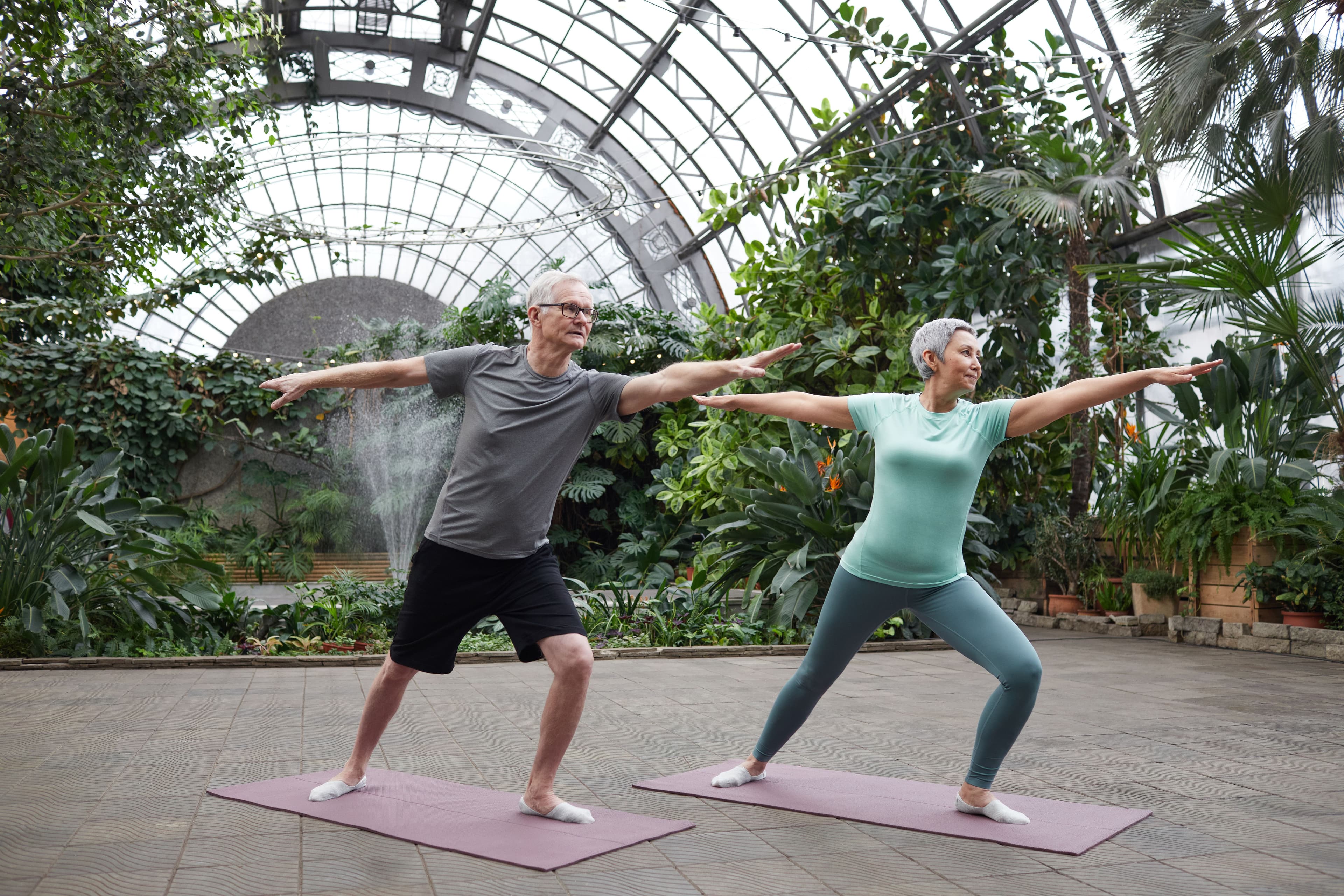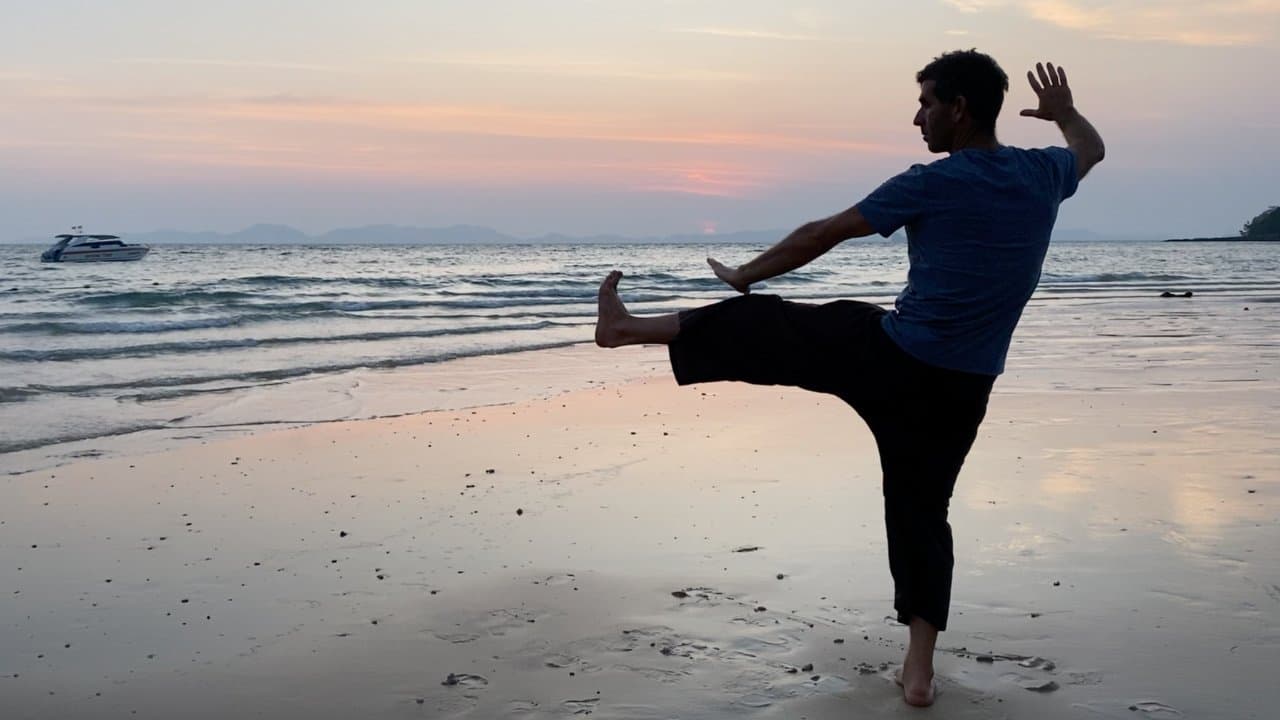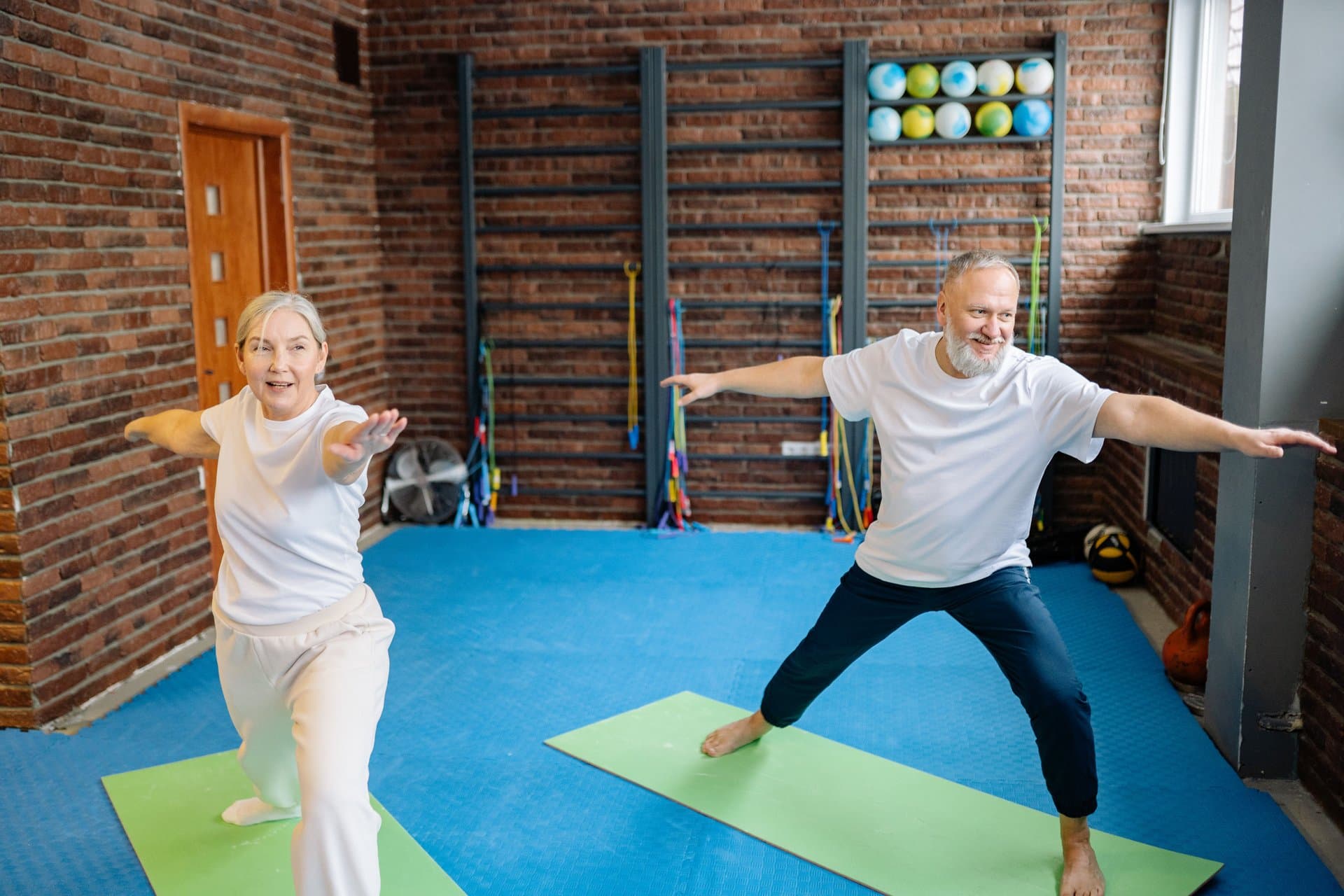
Have you ever stood up after sitting for a long time and felt that your body needed a few moments to loosen up?
Your shoulders might feel tight, your back may feel stiff or your hips may not move as freely as you would like.
These experiences are common, and they can have several causes. Reduced movement, muscle tension, joint changes and connective tissue all play a part in how comfortable movement feels.
This is one reason gentle Chinese movement practices have attracted attention in discussions about fascia release and lymphatic drainage.
Rather than focusing on one area of the body, practices such as Qi Gong use flowing movements that involve the arms, legs and torso together.
What Is Fascia and Why Does It Matter?
Fascia is a network of connective tissue that surrounds and connects structures throughout the body.
It is found around muscles, organs, nerves and other tissues. Different layers of fascia help provide support and allow neighbouring structures to move in relation to one another.
Fascia contains collagen and other components that contribute to the structure and mechanical properties of connective tissue.
When people talk about fascia release, they are often referring to practices intended to ease a feeling of tightness or restriction.
However, the sensation of stiffness does not necessarily mean that fascia needs to be released.
Muscles, joints, previous injuries, reduced activity and other factors can all influence how your body feels.
For a more detailed introduction to this subject, read our article on the Qi Gong fascia release method.
How Does Lymphatic Drainage Work?
Your lymphatic system helps maintain fluid balance and supports your immune system.
It collects excess fluid from the spaces around your cells and carries it through a network of lymphatic vessels and lymph nodes before returning it to the bloodstream.
Unlike blood circulation, the lymphatic system does not rely on a central pump.
Lymph moves through a combination of mechanisms, including contractions of lymphatic vessels, changes in pressure during breathing and the activity of surrounding muscles.
This means that everyday movement has a role in supporting normal lymphatic flow.
When you walk, reach, bend or move your arms, your muscles contract and relax. These movements create pressure changes around nearby tissues and vessels.
This is one reason regular physical activity is important.
Our guide to Chinese lymphatic detox and fascia release explains more about the relationship between these popular wellness topics.
Why Gentle Chinese Movement Can Be Useful
Qi Gong and Tai Chi are traditional Chinese practices that often combine movement, posture, breathing and attention.
Many exercises involve slowly raising and lowering the arms, turning the torso, shifting weight or moving between different positions.
The movements encourage you to use different parts of the body rather than repeatedly working one muscle group in isolation.
This can be particularly appealing if you spend much of the day sitting or performing repetitive activities.
You may find that a simple sequence gives you an opportunity to move your shoulders, spine, hips and legs in ways that are missing from your normal daily routine.
The goal is not to force your body into a particular position. It is to explore comfortable movement and gradually become more familiar with how your body responds.
The Relationship Between Fascia and Mobility
Mobility is the ability to move a joint or part of the body through a range of motion with control.
It involves more than flexibility alone. Your muscles, joints, nervous system and connective tissues all contribute to the way you move.
Gentle movement can help you practise using different ranges of motion and coordinating several body parts together.
For example, slowly turning your torso while allowing your arms to follow gives you an opportunity to coordinate movement through the upper body.
Raising your arms overhead within a comfortable range involves the shoulders, upper back and surrounding muscles.
Repeated movements can also help you notice where you tend to hold tension or compensate for restricted movement.
This is useful information, although it does not prove that a particular area of fascia is damaged or stuck.
Why Moving the Whole Body Matters
Everyday movement rarely happens in isolation.
When you reach for something, your shoulders, arms, trunk and legs all contribute to the action.
When you walk, your feet, ankles, knees, hips and upper body coordinate to move you forwards.
When you turn, your body adjusts across several joints and muscles.
Gentle Chinese movement practices often reflect this whole-body approach.
Instead of concentrating only on stretching one muscle, you can practise movements that involve several areas working together.
This can be useful for developing coordination and comfortable movement.
Weight shifting is another important element. Gradually moving your weight from one foot to the other is a basic action used in walking, turning and stepping.
Practising controlled weight shifts can also help introduce balance training into a gentle movement routine.
For more examples of how traditional Chinese exercises use movement to support lymph flow, see our article about Chinese movements for lymphatic drainage.
A Simple Five-Minute Mobility Practice
You can try a short sequence without any equipment.
Begin standing or sitting comfortably. Take a moment to notice your natural breathing.
Slowly raise your arms to a comfortable height and lower them again.
Next, gently turn your upper body from side to side. Keep the movement relaxed and avoid forcing the rotation.
Bring your arms forwards and open them outwards, allowing your shoulder blades to move naturally.
If you are standing securely, slowly shift your weight from one foot to the other. Use a sturdy support if needed.
Finish by walking at a comfortable pace for a minute or two.
Pay attention to how the movements feel rather than trying to achieve a particular stretch or sensation.
Choose a smaller range of movement if you feel restricted, and stop if you experience sharp pain, dizziness or worsening symptoms.
Can Better Mobility Also Help With Balance?
Mobility and balance are related, but they are not the same thing.
Mobility helps you move through different positions, while balance involves maintaining or recovering stability as your body moves.
For example, turning your head and torso, shifting your weight or stepping in a different direction all require coordination and balance.
Gentle movement can help you become more familiar with these actions, but balance needs to be practised directly.
Tai Chi is particularly interesting in this context because it combines controlled movement, changes of direction and deliberate weight transfers.
Research supports Tai Chi as a useful activity for improving balance and reducing falls in older adults.
If you would like to practise these movements in a guided format, try our free Tai Chi for Better Balance course.
Bringing It All Together
Fascia release and lymphatic drainage are often discussed as separate wellness topics, but both can introduce people to the value of gentle, regular movement.
The lymphatic system relies partly on muscle activity to move fluid through the body. Comfortable movement can also help you explore mobility and become more aware of how different parts of your body work together.
Chinese practices such as Qi Gong and Tai Chi bring these elements together through flowing movements, posture, breathing and coordination.
For a balanced approach, combine gentle mobility with regular walking, appropriate strength exercises and movements that specifically challenge balance.
The most useful routine is one that suits your ability and that you can practise consistently.
Frequently Asked Questions
Does fascia release improve mobility?
Some people find that gentle movement, stretching or other mobility practices make movement feel more comfortable. However, the feeling of stiffness has several possible causes, and there is no single fascia release technique that works for everyone.
Does movement help lymphatic drainage?
Yes. Muscle contractions during ordinary movement help support the movement of lymph through the lymphatic vessels. This is one reason regular physical activity is useful for general lymphatic health.
Is Qi Gong good for mobility?
Many Qi Gong exercises involve controlled movements of the arms, legs and torso. They can provide opportunities to explore comfortable ranges of motion, coordination and body awareness.
Can gentle movement help with stiffness after sitting?
Changing position and moving gently after long periods of sitting may help some people feel more comfortable. Start with small, comfortable movements and gradually return to your usual activities.