For many years, conversations about health focused almost entirely on the physical body.
We were encouraged to exercise more, eat better, improve our strength, and reduce our risk of disease.
These habits remain important.
But there is another aspect of health that is becoming increasingly recognised.
Emotional fitness.
Emotional fitness is not about avoiding difficult emotions or always feeling positive.
It is about developing the ability to recognise, regulate, and respond to your emotions in healthy and constructive ways.
Like physical fitness, it is something that can be developed over time.
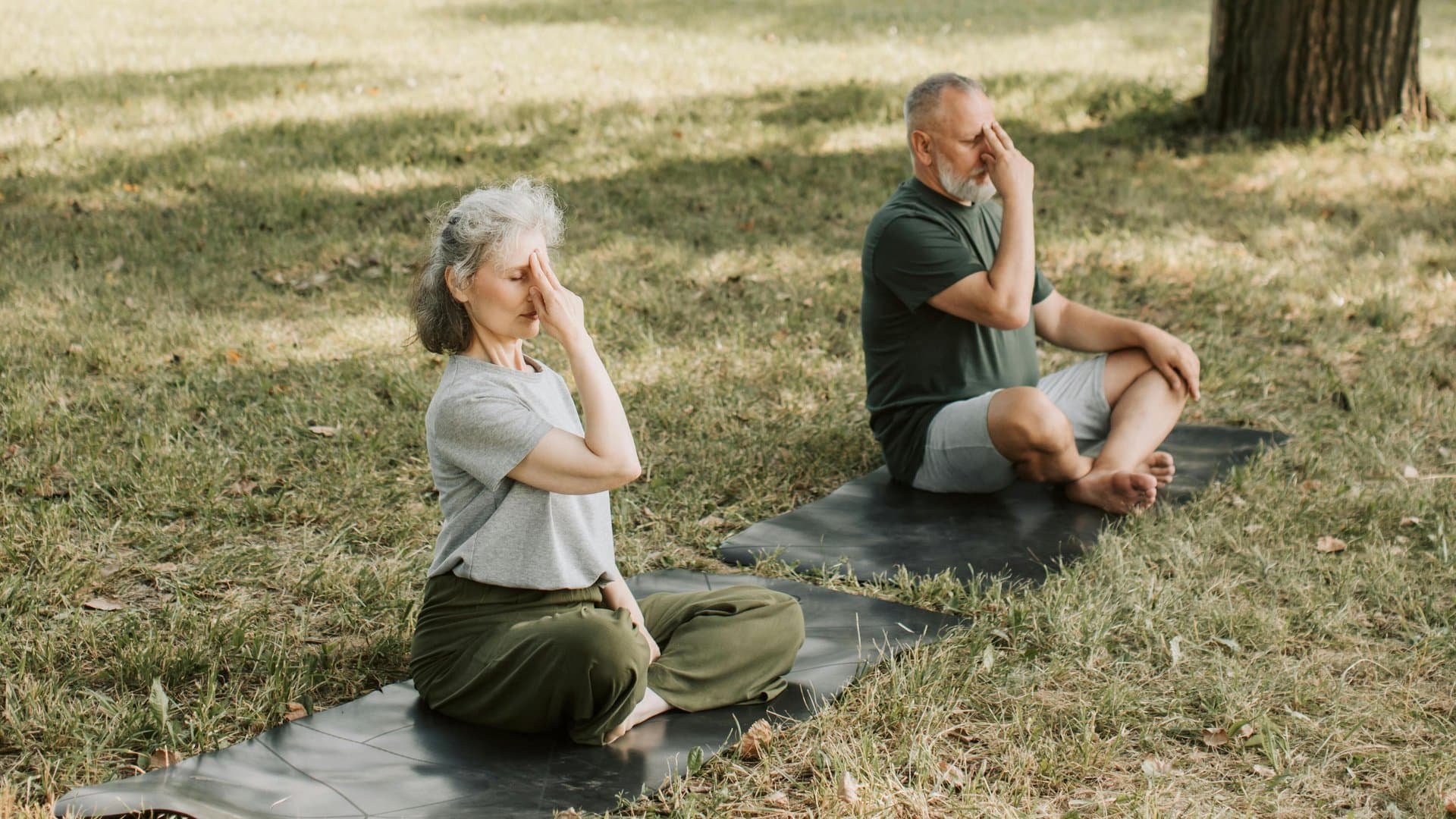
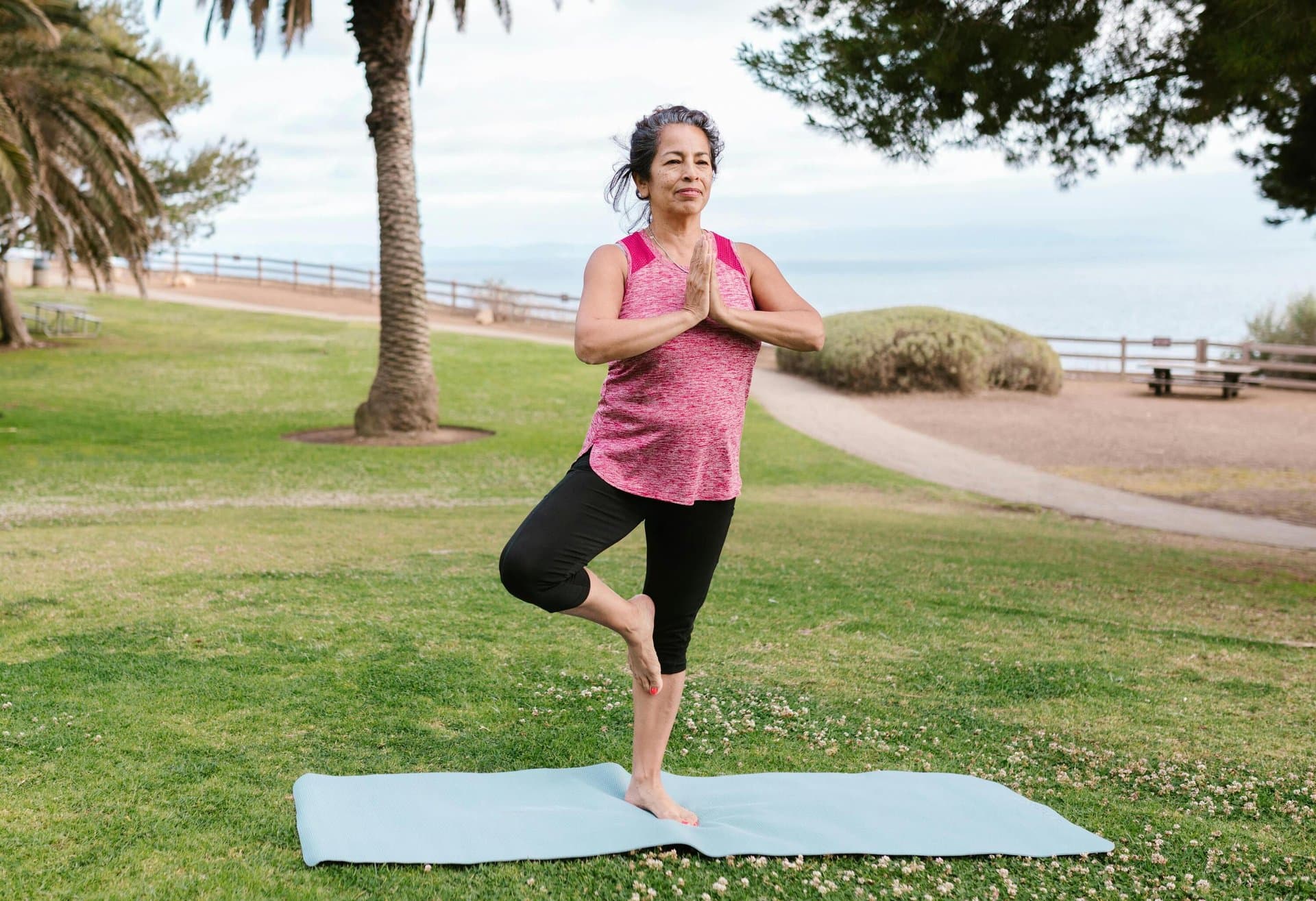
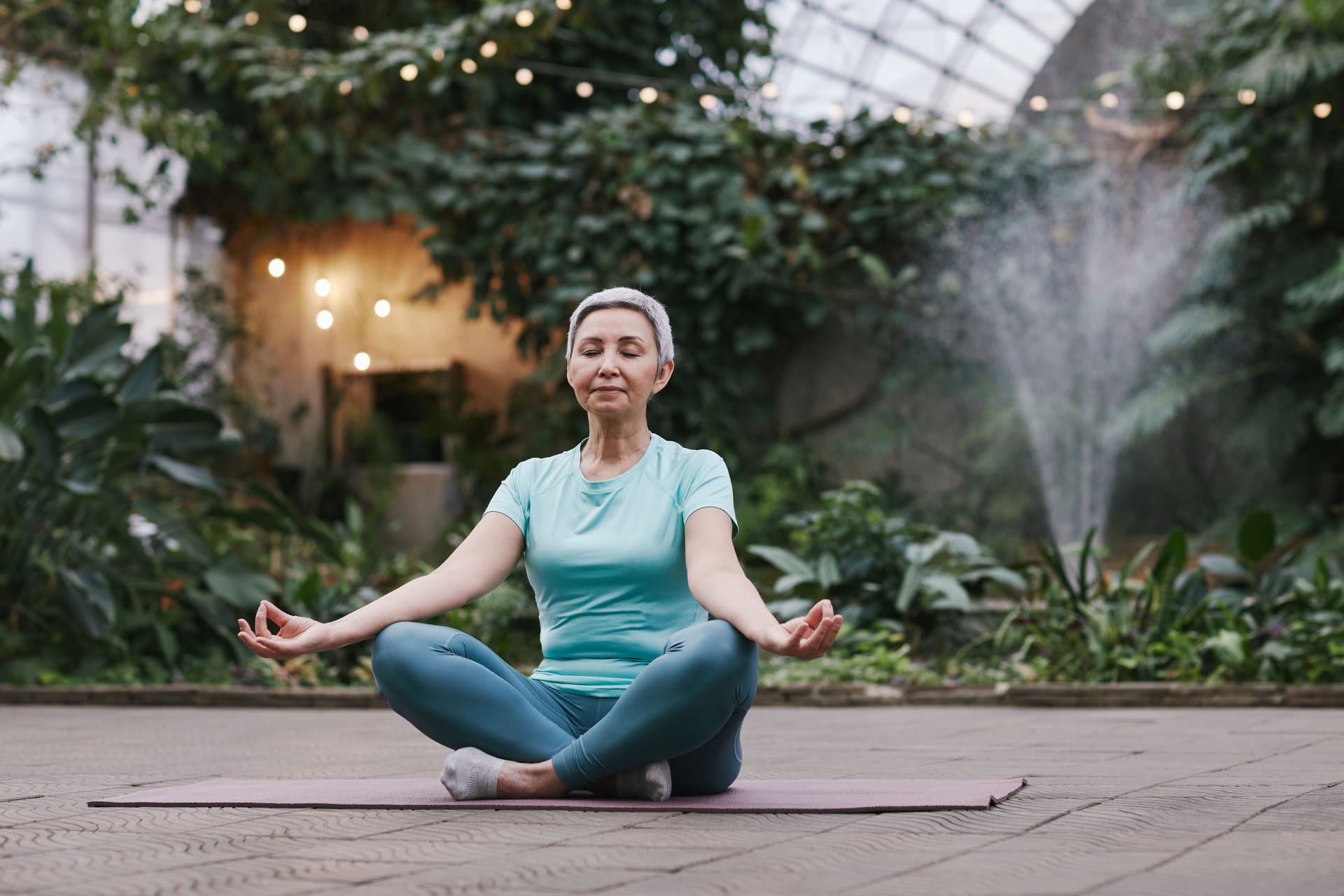
Practices such as mindfulness, meditation, breathwork, gentle movement, and relaxation all help strengthen emotional fitness by supporting the nervous system and building greater self-awareness.
What Is Emotional Fitness?
Emotional fitness refers to your ability to navigate life's emotional ups and downs with greater awareness, flexibility, and resilience.
It is not about never feeling stressed.
It is not about suppressing difficult emotions.
Instead, emotional fitness involves learning how to experience emotions without becoming overwhelmed by them.
Someone with strong emotional fitness is not emotionally unaffected by challenges.
They simply recover more effectively and respond with greater awareness.
This includes developing the ability to:
Recognise emotions without judgement
Respond instead of reacting
Recover more quickly from stress
Adapt to change
Build healthy relationships
Maintain perspective during difficult times
Just as stronger muscles make everyday movement easier, emotional fitness helps make everyday life feel more manageable.
Emotional Fitness Starts With the Nervous System
Our emotional experiences are closely connected to our nervous system.
When the body remains in a prolonged state of stress, emotions often become more difficult to regulate.
Many people notice:
Increased irritability
Anxiety
Mental overwhelm
Poor concentration
Sleep difficulties
Feeling emotionally exhausted
This is not simply a mindset problem.
The body and mind constantly influence one another.
Supporting emotional fitness often begins by helping the nervous system shift towards a calmer, more regulated state.
This is why practices that work through the body can be so powerful.
Why Breathing Influences Emotional Fitness
Breathing is one of the few body systems that is both automatic and under conscious control.
This gives us a practical way to influence how we feel.
When we are stressed, breathing often becomes:
Faster
Shallower
Higher in the chest
When we intentionally slow the breath, particularly by lengthening the exhale, we often create conditions that support relaxation and emotional regulation.
Breathwork is not about eliminating difficult emotions.
It creates space between the emotion and our reaction to it.
Over time, this helps strengthen emotional fitness by teaching the nervous system that it is safe to slow down.
Meditation Builds Emotional Awareness
Many people think meditation is about stopping thoughts.
It is not.
Meditation teaches us to observe thoughts and emotions without immediately reacting to them.
This simple shift creates one of the most valuable emotional skills we can develop.
Awareness.
Instead of becoming carried away by every emotion, we learn to notice it.
This creates more choice in how we respond.
Regular meditation may help improve:
Self-awareness
Emotional regulation
Attention
Compassion
Psychological flexibility
Like any skill, these benefits develop through consistent practice rather than perfection.
Gentle Movement Supports Emotional Wellbeing
Movement is not only beneficial for muscles and joints.
It also affects the brain and nervous system.
Gentle practices such as Qi Gong, Tai Chi, yoga, and mindful walking combine movement with breathing and attention.
This creates an experience that is very different from simply exercising for physical fitness.
Rather than encouraging intensity, these practices encourage:
Presence
Relaxation
Body awareness
Coordination
Flow
Many people find that gentle movement helps reduce feelings of mental tension while improving emotional balance.
Sleep Is Part of Emotional Fitness
Poor sleep affects much more than energy levels.
It also influences emotional regulation.
After a poor night's sleep, many people notice they become:
Less patient
More reactive
More anxious
Less able to concentrate
More emotionally sensitive
Improving emotional fitness therefore includes protecting sleep.
Simple habits such as reducing evening stimulation, maintaining a consistent bedtime, practising relaxation, and avoiding excessive screen time before bed can all support better recovery.
A rested nervous system is generally better equipped to respond to life's challenges.
Emotional Fitness Is Not About Being Positive All the Time
One of the biggest misunderstandings is that emotional fitness means always feeling calm or happy.
It does not.
Healthy emotional fitness allows space for:
Sadness
Frustration
Grief
Fear
Anger
Joy
All emotions are part of being human.
The goal is not to remove uncomfortable feelings.
It is to develop the ability to experience them without becoming consumed by them.
Resilience comes from learning how to move through emotions rather than avoiding them.
Small Daily Habits Build Emotional Fitness
Like physical fitness, emotional fitness develops gradually.
Small daily practices often have a greater long-term impact than occasional dramatic efforts.
Simple habits may include:
Five minutes of mindful breathing
A short meditation
Gentle Qi Gong or Tai Chi
Walking outdoors
Journalling
Taking regular breaks from screens
Practising gratitude
Spending time in nature
These habits may seem small.
But practised consistently, they help strengthen the skills that support emotional wellbeing.
Emotional Fitness Supports Healthy Ageing
As we grow older, emotional wellbeing becomes increasingly important.
Life naturally brings change.
Retirement.
Health challenges.
Family responsibilities.
Loss.
New beginnings.
Developing emotional fitness does not remove these experiences.
It helps us meet them with greater steadiness.
Research consistently shows that psychological wellbeing, social connection, stress management, regular movement, and good sleep all contribute to healthy ageing.
Emotional fitness sits at the centre of many of these habits.
You Do Not Need to Be Perfect
Many people avoid practices like meditation because they believe they are "not good at it."
The same happens with breathing exercises or mindful movement.
But emotional fitness is not measured by how calm you feel every day.
It is measured by your willingness to return to the practice.
Some days will feel easier than others.
That is completely normal.
Progress comes from consistency rather than perfection.
Every time you pause, breathe, move gently, or observe your thoughts with greater awareness, you are strengthening emotional fitness.
Bringing It All Together
Physical health will always be an important part of wellbeing.
But health is about much more than muscles, weight, or cardiovascular fitness.
Our ability to regulate emotions, recover from stress, build resilience, and navigate life's challenges deserves just as much attention.
That is where emotional fitness becomes so valuable.
Practices such as breathwork, meditation, Qi Gong, Tai Chi, and mindful movement offer simple ways to strengthen both the mind and the body together.
They do not promise instant transformation.
Instead, they help develop the small daily habits that create lasting emotional wellbeing.
Like physical fitness, emotional fitness is not something we achieve once.
It is something we continue to practise throughout life.