Balance is not simply about being able to stand still. It is the ability to control your body as you walk, turn, step and respond to unexpected changes in your surroundings.
This is where tai chi footwork for balance can become particularly useful. Tai Chi trains slow, deliberate weight shifting, coordination and awareness of how the feet connect with the ground.
One of the traditional principles behind this is rooting, often associated with Zhong Ding. Rather than becoming stiff or heavy, rooting means staying centred and connected to the ground while remaining relaxed enough to move.
What Does Rooting Mean in Tai Chi?
Rooting begins with the feet, but it involves the whole body.
When you step, your heel, sole and forefoot gradually make contact with the ground. Instead of suddenly transferring your weight, you learn to place the foot first, establish stability and then allow your centre of gravity to move over it.
This intentional heel-to-toe rolling can help develop dynamic stability, particularly when practising how to recover from a stumble or unexpected change in direction.
The aim is not to prevent every loss of balance. It is to become better at recognising where your weight is and responding with controlled movement.
4 Tai Chi Footwork Fundamentals
1. Empty Stepping - Control Your Centre First
Empty stepping means moving one foot without immediately placing your body weight onto it.
Begin standing comfortably with most of your weight on one leg.
Slowly lift the other foot and move it forwards or to the side. Keep your torso upright rather than leaning towards the new direction.
Place the foot down gently, keeping it relatively "empty", then gradually transfer your weight onto it.
Practise this slowly.
The important part is learning to control your centre of gravity before committing to the next step. This is one of the fundamental skills behind tai chi for fall prevention.
2. The 70/30 Bow Stance - Build a Stable Base
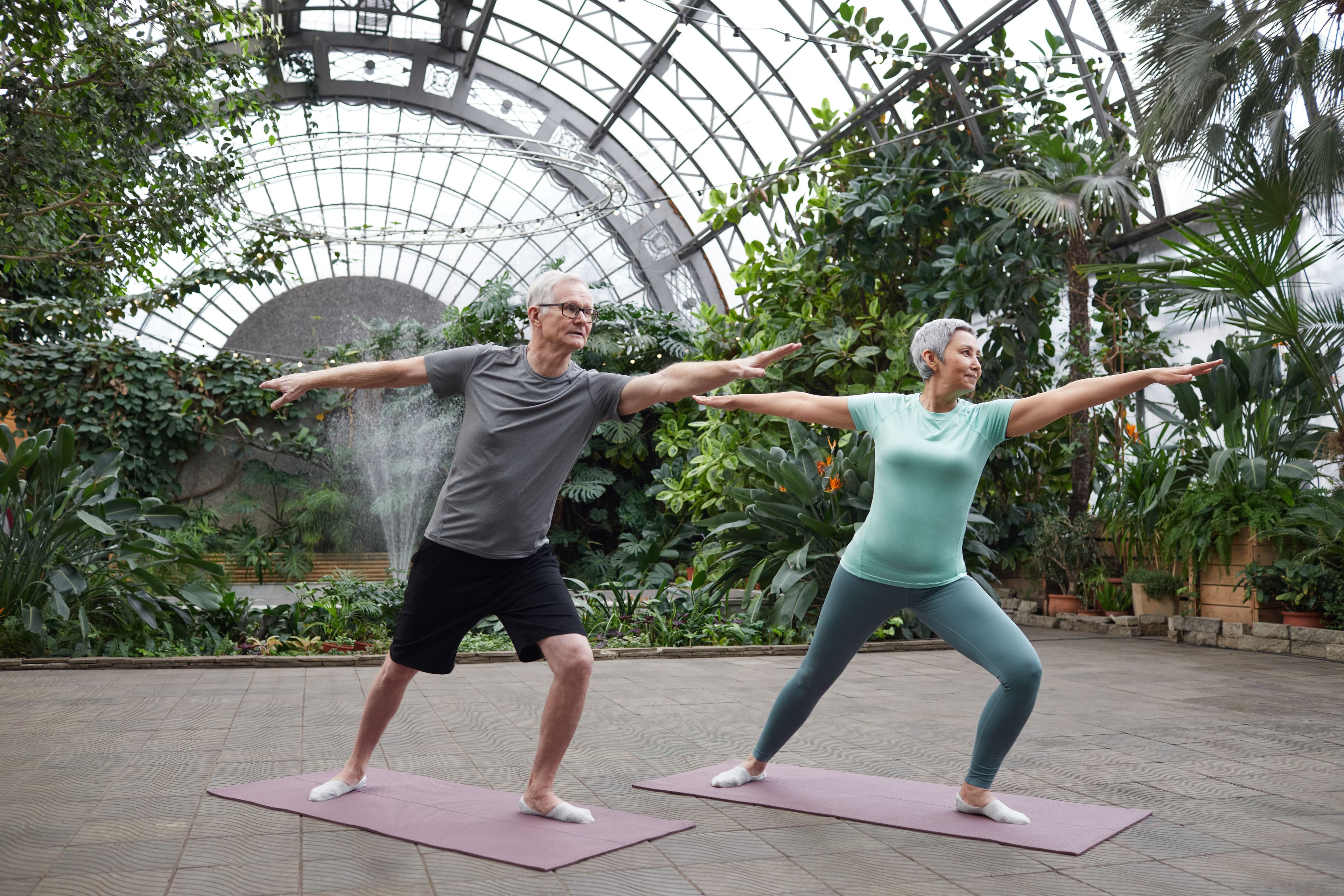
The bow stance creates a strong but mobile base of support.
Place one foot forwards and gradually transfer approximately 70% of your weight onto the front leg, leaving around 30% on the rear leg.
Keep both feet connected to the floor and allow the front knee to remain aligned with the toes.
Hold the position for several comfortable breaths, then slowly reverse the movement.
The goal is not to create maximum muscular effort. It is to feel how your weight is distributed and how easily you can move from one stable position into another.
3. T-Stance Transitions - Prepare Before You Move
In a T-stance, one foot supports your body while the other rests lightly beside it, creating a T shape.
From here, slowly move the free foot forwards, backwards or sideways.
Place the foot first. Establish your base. Then transfer your weight.
This simple sequence teaches an important principle for everyday balance: the foot prepares the new base before the body commits to the movement.
These transitions appear throughout traditional forms, including the tai chi 24 form step by step, where controlled weight shifts are combined with coordinated movements of the upper body.
4. Zhan Zhuang - Standing Like a Tree
Zhan Zhuang, often translated as standing meditation, is a traditional practice for developing relaxed alignment and awareness of the body's relationship with the ground.
Stand with your feet comfortably apart and your knees softly unlocked.
Imagine the feet becoming rooted downwards while the crown of your head gently lengthens upwards.
Avoid forcing the posture or locking the joints.
Instead, allow the legs, tendons and connective tissues to support you while keeping unnecessary muscular tension to a minimum.
Start with a short period of standing and gradually increase the duration as you become more comfortable.
If you would like to explore these principles further, the free Fall Prevention & Better Balance course provides structured practices for developing stability, coordination and confidence.
How Footwork Supports Lymphatic Flow
The calf muscles contract and relax whenever you walk or shift your weight. This muscular activity contributes to circulation in the lower legs, while breathing and whole-body movement also support normal fluid movement.
This is why people sometimes search for practices such as chinese lymphatic exercises or tai chi lymphatic drainage.
It is more accurate, however, to think of these movements as supporting the body's normal circulation and lymphatic processes rather than physically "flushing" toxins or replacing medical lymphatic treatment.
Gentle, rhythmic movement can still be a valuable part of an active lifestyle, particularly when it encourages regular movement without excessive strain.
Safety Checklist Before Practising
Before practising your tai chi footwork for balance, make sure your environment is suitable.
Practise on a stable, non-slip surface.
Remove loose rugs, cables and other trip hazards.
Keep enough space around you to step safely in different directions.
Have a sturdy chair or support nearby if you need extra stability.
Begin with small steps and gradually increase your range of movement.
Stop if you experience dizziness, sharp pain or unusual instability.
Frequently Asked Questions
Can Tai Chi help with fall prevention?
Tai Chi incorporates controlled weight shifting, stepping, coordination and postural awareness, all of which are relevant to balance. Research suggests regular Tai Chi practice can improve balance and may reduce the risk of falls in older adults.
Do I need to learn the whole Tai Chi form?
No.
You can practise individual footwork exercises on their own. Once you become comfortable with the basic movements, learning a complete form allows you to combine stepping, weight transfer, posture, breathing and coordination into one continuous practice.
How often should I practise?
Consistency is more important than intensity.
Start with around 5–10 minutes several times a week. As your confidence and comfort improve, you can gradually make your sessions longer.
Bringing It All Together
Good Tai Chi footwork is ultimately about learning to move without losing your centre.
Empty stepping teaches you to control your weight before moving. The bow stance develops a stable base. T-stance transitions teach you to prepare your next step, while Zhan Zhuang develops awareness of relaxed, grounded posture.
Together, these practices create the foundation for more confident and controlled movement.