You may have come across the term somatic movement while looking for ways to reduce tension, move more comfortably or become more connected to your body.
But what exactly is somatic movement?
The word "somatic" relates to the body as experienced from within. Somatic movement generally places more emphasis on how movement feels rather than simply how it looks from the outside.
Instead of focusing only on repetitions, intensity or performance, you pay attention to your breathing, sensations, posture, tension and the way your body moves.
This makes somatic movement less about pushing your body and more about developing a better relationship with it.
What Is Somatic Movement?
Somatic movement is a broad term rather than one specific exercise system.
Different teachers and approaches use the word in different ways, but many share an emphasis on slow, mindful movement and greater awareness of physical sensations.
A somatic movement practice might involve:
Slow and controlled movements.
Gentle stretching and mobility exercises.
Breathing combined with movement.
Exploring how your body feels in different positions.
Relaxing unnecessary muscular tension.
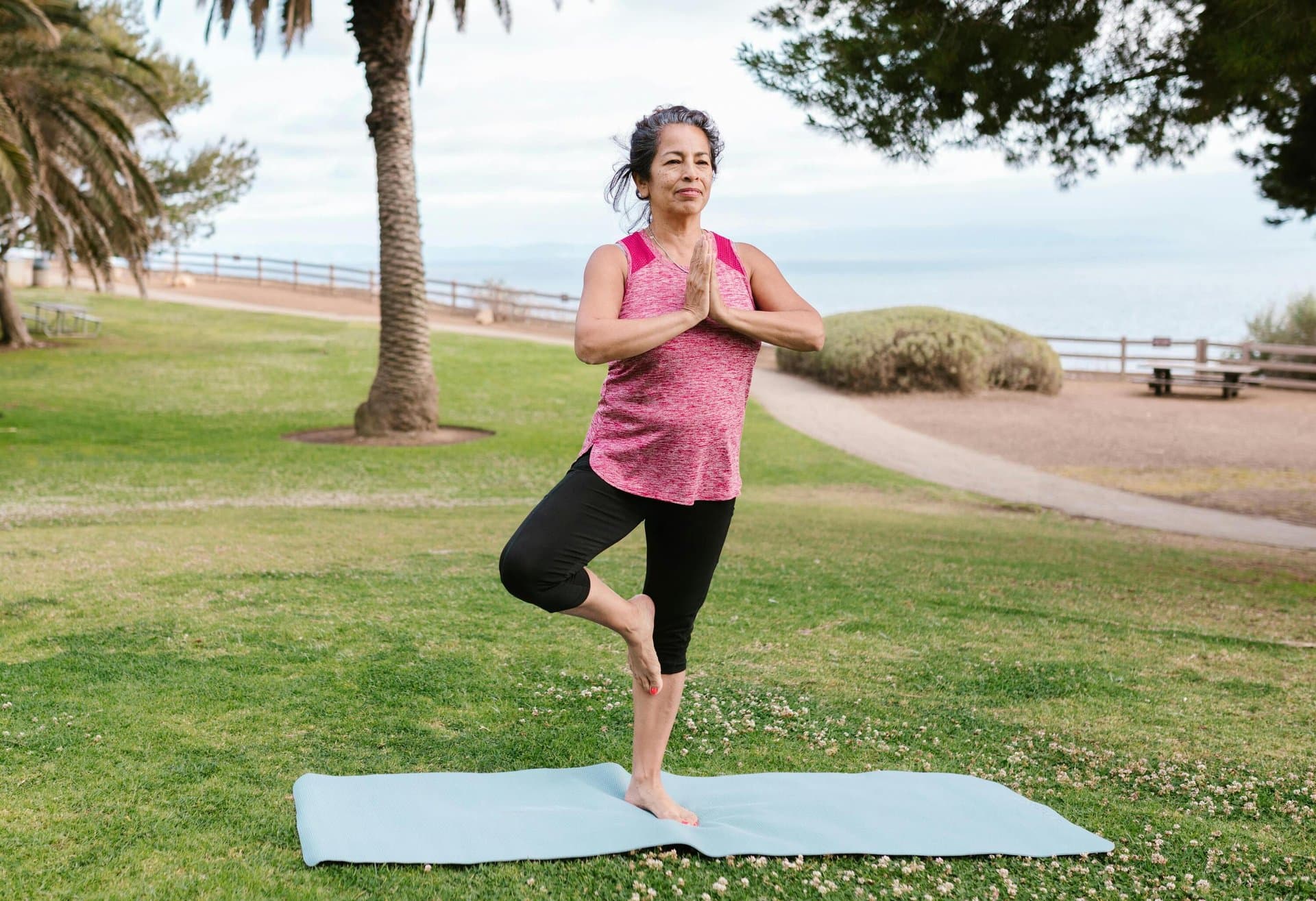
Paying attention to balance, posture and coordination.
The goal is not necessarily to achieve a particular physical position.
Instead, you are becoming more aware of how you move and how your body responds.
How Is Somatic Movement Different From Exercise?
You can think of somatic movement as a different way of approaching movement rather than a replacement for exercise.
A conventional workout might focus on improving strength, endurance, flexibility or fitness.
Those things are valuable.
Somatic movement adds another dimension by asking you to pay attention to the experience of moving.
For example, you could perform ten shoulder rolls simply to complete ten repetitions.
Or you could perform the same movement slowly while noticing how your shoulders feel, how your breathing changes and whether you are creating unnecessary tension.
The movement may be identical.
Your experience of it is different.
Why Does Body Awareness Matter?
Your body is constantly providing information.
You can notice whether a movement feels easy or restricted, whether one side feels different from the other, whether you are holding your breath or whether your shoulders are tense.
Most of the time, however, we are not paying much attention.
We move automatically while thinking about work, conversations, screens or everything else happening around us.
Somatic movement gives you an opportunity to slow down and notice those signals.
Over time, greater awareness may help you recognise movement patterns that you would otherwise overlook.
Can Somatic Movement Help With Tension?
It may be useful for people who regularly feel physically tense, particularly when tension is associated with stress or spending long periods in the same position.
When you are concentrating or under pressure, you may unconsciously tighten your shoulders, jaw, hands or abdomen.
A slower movement practice gives you time to notice that tension.
Instead of immediately trying to stretch the area harder, you can explore whether it is possible to move with less effort.
This does not mean that all physical tension is caused by stress or that somatic movement can treat every source of pain.
It simply provides another way to pay attention to how you are using your body.
Somatic Movement and Breathing
Breathing is often an important part of somatic movement.
When you slow down and coordinate movement with comfortable breathing, you have another way to bring your attention into the present moment.
For example, you might slowly raise your arms while inhaling and lower them while exhaling.
The purpose is not to force the breath into a particular pattern.
Instead, the breath becomes part of the movement experience.
This is one reason practices such as Qi Gong can feel similar to some modern somatic approaches.
Qi Gong combines slow movement, breathing and focused attention, although Qi Gong and somatic movement come from different traditions.
A Simple Somatic Movement Practice
You do not need special equipment to try this approach.
Start by standing or sitting comfortably.
Take a moment to notice your breathing without trying to change it.
Slowly roll your shoulders forwards and backwards.
Notice whether one direction feels different from the other.
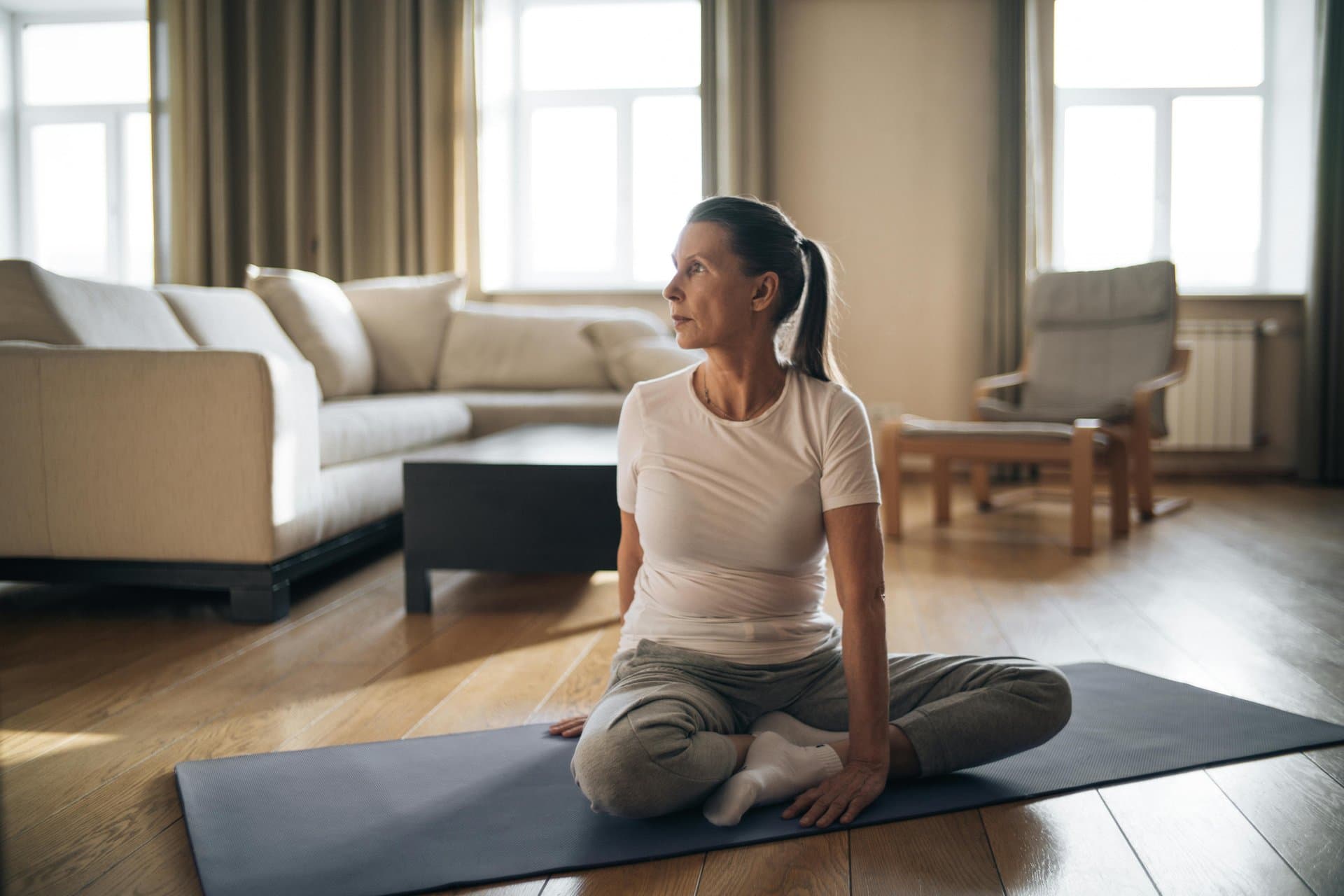
Gently turn your head from side to side within a comfortable range.
Then slowly move your arms up and down while paying attention to your breathing.
Shift your weight gently from one foot to the other.
Finish by standing or sitting quietly for a few moments and noticing how your body feels.
The movements themselves are very simple.
The important part is the attention you bring to them.
If you enjoy guided movement, our free Morning Energy Flow course provides a simple practice combining gentle movement, breathing and meditation that can help you develop this kind of body awareness.
Is Somatic Movement Good for Older Adults?
Somatic movement can be adapted to different ages and abilities because it does not have to involve intense or complicated exercise.
Slow movement can provide an opportunity to explore balance, coordination, posture and mobility at a comfortable pace.
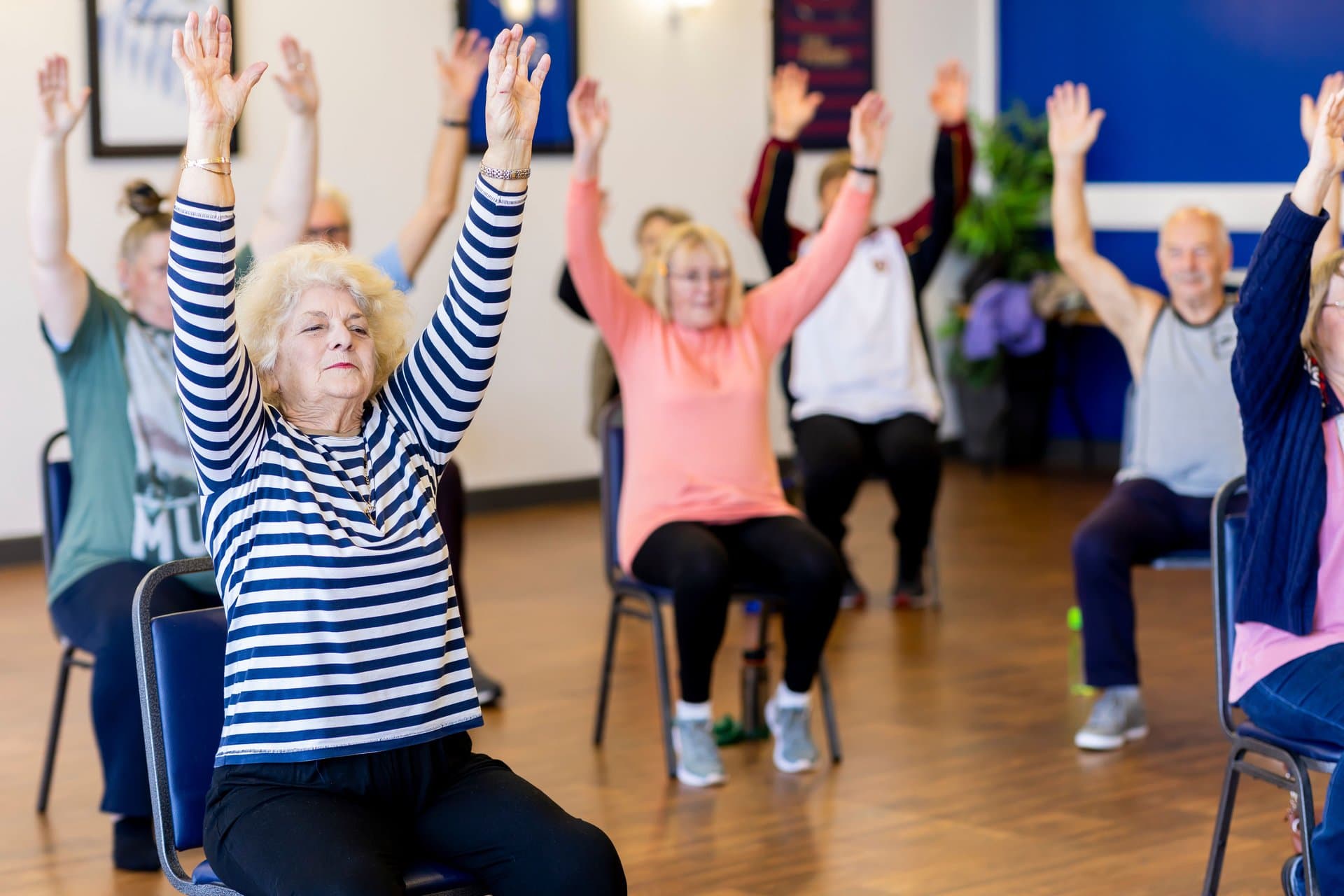
It can also be performed standing or seated depending on your needs.
However, gentle does not automatically mean suitable for every person.
Choose movements that match your current ability and avoid movements that cause pain, dizziness or instability.
Somatic Movement Is Not About Fixing Your Body
One of the more useful aspects of a somatic approach is that it can move you away from constantly trying to correct or fix something.
You do not need to view every tight muscle as a problem that needs to be released.
You do not need perfect posture.
You do not need to force yourself into a deeper stretch.
Instead, you can become curious about how your body moves and what it is telling you.
That change in attitude can make movement feel more enjoyable and sustainable.
How to Make Somatic Movement Part of Your Day
You do not need a dedicated hour-long session.
Try adding a few minutes of mindful movement when you wake up.
Take a short movement break during the day.
Slow down during part of your walk.
Notice your breathing while stretching.
Pay attention to how you sit, stand and move between positions.
These small moments can gradually make body awareness a more natural part of your daily life.
Bringing It All Together
Somatic movement is not one particular workout.
It is a way of approaching movement with greater awareness of your body and your experience from within.
It can involve gentle mobility, stretching, breathing, slow movement and attention.
You do not need to perform complicated exercises or push yourself to your limits.
Instead, start by slowing down.
Notice your breathing.
Pay attention to physical sensations.
Move comfortably.
And become curious about how your body feels.
That simple shift can turn ordinary movement into a more mindful practice.
Frequently Asked Questions
What does somatic movement mean?
Somatic movement generally refers to movement practices that emphasise awareness of how your body feels and moves from within. It can involve slow movement, breathing, mobility and relaxation.
Is somatic movement the same as stretching?
No. Stretching can be part of somatic movement, but the broader approach also focuses on awareness, breathing, coordination and how movement feels.
Is Qi Gong a somatic practice?
Qi Gong comes from a different tradition, but it shares some similarities with modern somatic movement because it combines slow movement, breathing and body awareness.
Can somatic movement help with stiffness?
Gentle movement can help you explore comfortable ranges of motion and reduce the effects of prolonged inactivity. However, persistent stiffness or pain may have many possible causes and may require professional assessment.