For thousands of years, humans have searched for ways to live longer.
Today, that search has moved from mythology and folklore into laboratories, universities, and biotechnology companies around the world.
One concept that often appears in these conversations is longevity escape velocity.
Some believe it could one day allow people to dramatically extend their lifespan.
Others see it as an exciting but highly speculative scientific goal.
So what exactly is longevity escape velocity?
And what does it mean for those of us who simply want to live longer, healthier lives today?
The answer may be more practical than you think.
What Is Longevity Escape Velocity?
Longevity escape velocity is the idea that medical science could eventually extend human life faster than we age.
In simple terms, imagine that every year scientists discover treatments capable of adding more than one healthy year to your life.
If those discoveries continued to arrive faster than the ageing process itself, people could theoretically continue benefiting from each new breakthrough as they appeared.
The concept was popularised by biomedical researcher Dr Aubrey de Grey, who argued that future advances in regenerative medicine may eventually slow, repair, or even reverse many forms of age-related damage.
It is an intriguing idea.
But it is also important to understand that it remains theoretical.
Scientists continue to debate whether longevity escape velocity will ever become reality.
What Does the Science Say?
Research into ageing has accelerated enormously over the past two decades.
Scientists are investigating areas including:
- Cellular senescence
- Stem cell therapies
- Gene editing
- Artificial intelligence in drug discovery
- Epigenetic reprogramming
- Regenerative medicine
These fields are producing exciting discoveries.
However, extending the healthy lifespan of humans by decades remains a significant scientific challenge.
Most experts agree that while progress is encouraging, there is currently no proven technology capable of stopping or reversing human ageing completely.
Much of the research is still taking place in laboratories or early clinical studies.
Healthspan Matters More Than Lifespan
When people hear about longevity escape velocity, they often imagine living for 150 or even 200 years.
But there is another question that may be even more important.
How well are we living during the years we already have?
This is where the idea of healthspan becomes so valuable.
Healthspan refers to the years we spend living in good physical, mental, and emotional health.
After all, adding years to life has little value if those years are spent struggling with poor mobility, chronic illness, or reduced independence.
For most people alive today, improving healthspan is both more realistic and more achievable than waiting for revolutionary anti-ageing therapies.
The Lifestyle Factors We Already Know Work
Unlike futuristic medical treatments, many of the habits that support healthy ageing are already well established.
Research consistently points towards the importance of — from quality sleep to regular physical activity:
- Regular physical activity
- Good sleep
- Managing stress
- Nutritious eating
- Social connection
- Avoiding smoking
- Maintaining a healthy weight
These habits may not sound revolutionary.
But together, they have a powerful influence on long-term health.
The challenge is not discovering them.
It is practising them consistently.
Why the Nervous System Deserves More Attention
One area receiving increasing attention is the role of the nervous system in overall health.
Modern life often keeps many people in a constant state of busyness.
Work pressures.
Notifications.
Poor sleep.
Emotional stress.
Over time, chronic stress can affect multiple aspects of health, including sleep quality, recovery, mood, and overall wellbeing.
This is one reason practices that encourage relaxation have become increasingly popular.
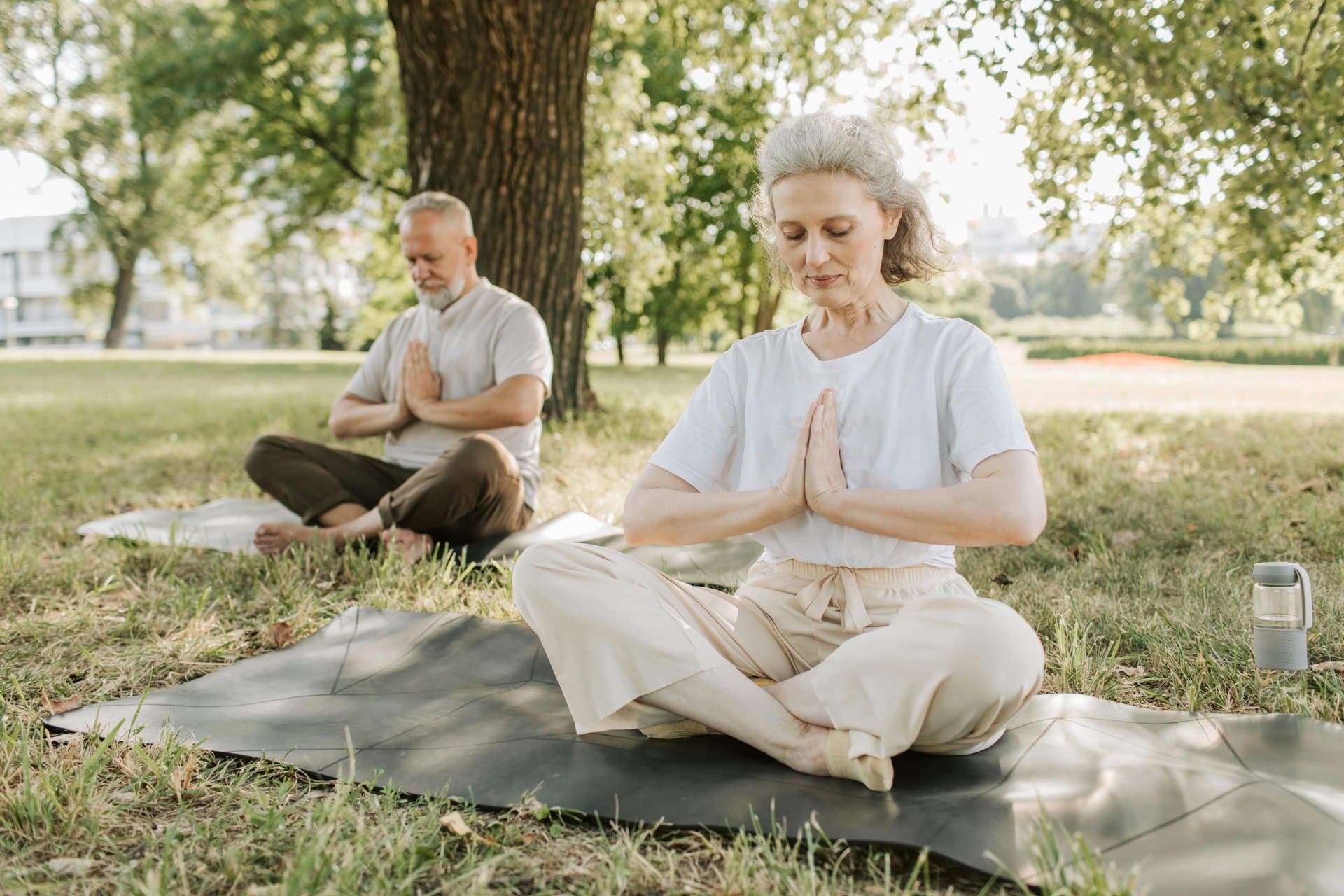
Breathwork, meditation, Tai Chi, Qi Gong, and mindfulness all help people slow down and reconnect with their bodies.
While these practices are not anti-ageing treatments, they support many of the everyday habits associated with healthy ageing.
Small Daily Habits Create Long-Term Change
One of the biggest misconceptions about longevity is that it depends on dramatic breakthroughs.
In reality, much of healthy ageing is built through ordinary daily choices.
Simple habits can include:
- Walking regularly
- Moving your joints each morning
- Practising mindful breathing
- Sleeping consistently
- Spending time outdoors
- Maintaining strong social relationships
- Finding moments of quiet during the day
None of these promise extraordinary results overnight.
But together, they help create a healthier foundation over many years.
This is sometimes called the compound effect of healthy habits.
Small actions repeated consistently often produce meaningful changes over time.
Why Gentle Movement Supports Healthy Ageing
When people think about exercise, they often picture intense workouts.
But healthy ageing is not only about intensity.
Gentle movement plays an important role too.
Practices such as Tai Chi and Qi Gong encourage:
- Balance
- Coordination
- Flexibility
- Mobility
- Body awareness
- Relaxation
These qualities become increasingly valuable as we grow older.
Rather than focusing solely on fitness, they help people continue moving comfortably throughout daily life.
The goal is not simply to add years.
It is to help those years remain active and enjoyable.
The Future Is Exciting, But Today Still Matters
It is easy to become fascinated by future technologies.
Gene therapies.
Artificial intelligence.
Cellular rejuvenation.
Age-reversing medicines.
Many of these areas are progressing rapidly.
Some may genuinely transform healthcare in the coming decades.
But while science works towards tomorrow's breakthroughs, we still have today.
The decisions we make today influence how we feel tomorrow.
They also influence how well we may be able to benefit from future medical advances if they do arrive.
Looking after your health now is never wasted effort.
A More Balanced View of Longevity
Longevity escape velocity captures the imagination because it represents possibility.
It asks an extraordinary question.
Could humans one day slow ageing enough that medicine continually stays ahead of time itself?
No one yet knows the answer.
Perhaps future generations will witness medical breakthroughs that seem impossible today.
Perhaps progress will be slower than many hope.
Either way, there is value in thinking about longevity differently.
Rather than seeing healthy ageing as something that depends entirely on future technology, we can view it as something we help shape every day.
The choices we make around movement, sleep, stress, relationships, nutrition, and recovery continue to matter.
They may not stop ageing.
But they can help us experience those years with greater energy, independence, and wellbeing.
Bringing It All Together
Longevity escape velocity remains one of the most fascinating ideas in modern ageing research.
It reminds us that science continues to push the boundaries of what may one day be possible.
But while researchers explore the future, there is another path available to all of us right now.
Looking after our bodies.
Caring for our minds.
Managing stress.
Moving regularly.
Sleeping well.
Nurturing meaningful relationships.
These everyday acts of self-care may not promise extraordinary lifespans.
Yet they offer something equally valuable.
The opportunity to improve the quality of the life we are already living.
Perhaps that is the most important form of longevity we can pursue today.