The lymphatic system plays an important role in maintaining fluid balance, supporting immune function and returning excess fluid from tissues back into circulation. Unlike the cardiovascular system, it does not have a central pump, so lymph movement depends partly on muscle contractions, breathing and regular physical activity.
This means you do not need complicated equipment or intense workouts to support healthy lymphatic circulation. Simple daily habits, gentle movement and relaxed breathing can all contribute to keeping your body moving naturally.
How Does the Lymphatic System Move?
Lymph is moved through a combination of factors, including muscle activity, body movement and changes in pressure created by breathing.
When you walk, move your arms, bend your legs or gently rotate your torso, the surrounding muscles and tissues move with you. Deep, relaxed breathing also creates pressure changes within the chest and abdomen that contribute to lymphatic movement.
For this reason, how to improve lymphatic circulation is less about finding one special exercise and more about maintaining regular, comfortable movement throughout the day.
7 Natural Ways to Improve Lymphatic Circulation
1. Walk Regularly
Walking is one of the simplest ways to keep your whole body moving. The repeated contraction and relaxation of the leg muscles during walking can support normal lymph movement.
You do not need a long walk to benefit. Several shorter walks throughout the day can be an easy way to avoid prolonged periods of inactivity.
2. Practise Deep Abdominal Breathing
Slow, comfortable abdominal breathing encourages movement of the diaphragm and creates pressure changes between the chest and abdomen.
Try breathing gently through your nose, allowing your abdomen and lower ribs to expand as you inhale, then relaxing as you exhale. There is no need to take unusually large breaths.
3. Move Your Arms and Shoulders
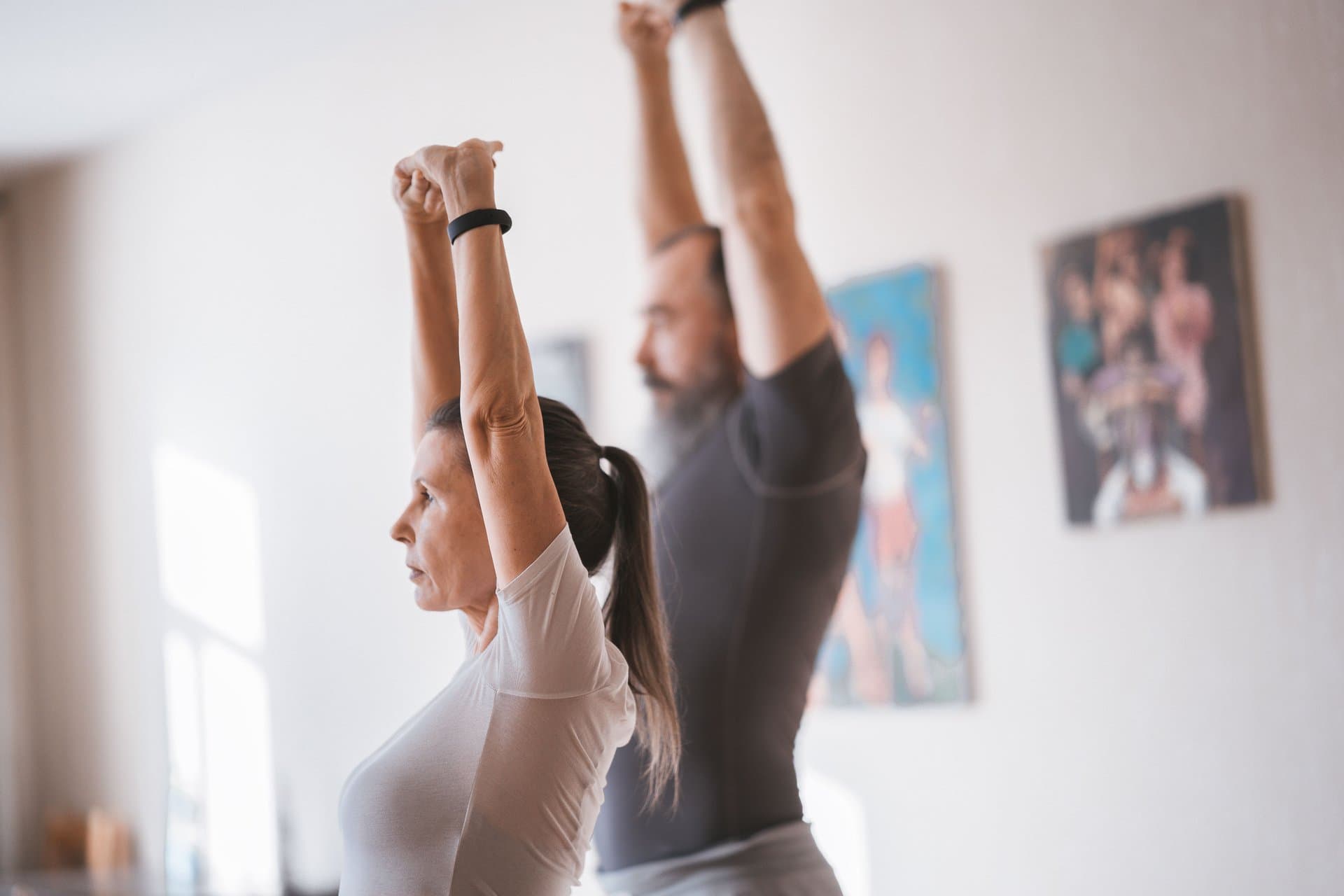
Shoulder rolls, arm circles and gentle arm sweeps involve the muscles around the upper body while also encouraging mobility through the chest and shoulders.
These movements are particularly useful if you spend a lot of time sitting at a desk or looking at a screen.
4. Use Gentle Whole-Body Movement
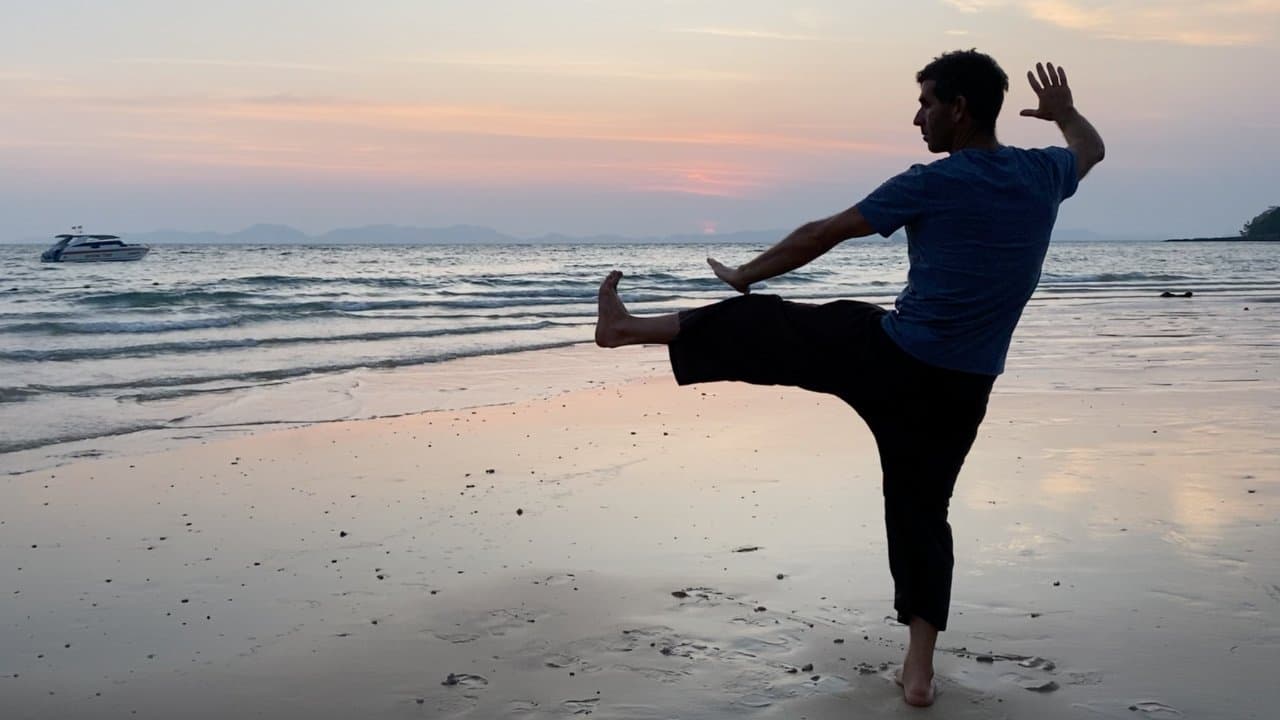
Practices such as Qi Gong combine slow movement, breathing and relaxed coordination. Their gentle, flowing nature makes them an accessible way to keep the body moving without putting excessive stress on the joints.
Our Qi Gong for Lymphatic Drainage & Stress Relief course provides guided practices combining gentle movement, breathing and relaxation.
5. Avoid Sitting for Long Periods
You do not have to exercise every time you get up. Standing, walking around the room, stretching your legs or changing position regularly can all help maintain movement throughout the day.
If you work at a desk, try getting up every 30–60 minutes rather than remaining in the same position for several hours.
6. Try Gentle Heel Raises
Rising onto your toes and slowly lowering your heels activates the calf muscles and encourages movement through the lower legs.
Start with 10–15 comfortable repetitions while holding onto a chair or wall if needed. This is also a simple exercise for maintaining lower-leg strength and balance.
7. Add Gentle Twisting and Weight Shifting
Slow torso rotations and side-to-side weight shifting involve multiple areas of the body without requiring strenuous exercise.
Move gradually and comfortably rather than trying to stretch as far as possible. The aim is relaxed, rhythmic movement.
For a guided approach, try our free Qi Gong for Lymphatic Drainage & Stress Relief course.
How Often Should You Practise?
Consistency is more important than intensity. A few minutes of movement several times throughout the day can be more practical than relying on one long workout.
You might combine:
A short morning walk
Five minutes of gentle Qi Gong
Breathing exercises during a break
Heel raises while waiting for the kettle
Regular walks and position changes during the day
Frequently Asked Questions
Can exercise improve lymphatic circulation?
Regular physical activity supports the muscle contractions and breathing patterns that contribute to normal lymph movement. Walking and gentle whole-body exercises are particularly accessible options.
Does drinking more water improve lymphatic circulation?
Adequate hydration is important for normal body function, but drinking excessive amounts of water does not necessarily make the lymphatic system work better. Aim for normal hydration according to your body's needs.
Is lymphatic exercise suitable for everyone?
Gentle movement is suitable for many people, but unexplained swelling, diagnosed lymphoedema, infection, recent surgery or another medical condition may require specific guidance. Speak with a healthcare professional if you are unsure what is appropriate for you.
Bringing It All Together
If you are wondering how to improve lymphatic circulation naturally, start with the basics: move regularly, breathe comfortably and avoid spending long periods in one position.
Walking, gentle exercises, abdominal breathing and flowing practices such as Qi Gong can all form part of a simple daily approach. The goal is not to force the lymphatic system to work harder, but to give your body the regular movement and breathing it naturally relies on.