Turning 40 has a way of announcing itself. Not dramatically — usually it is something small. Standing for too long feels different. Recovery after a long day takes more time. Things you used to do without thinking now require a little more preparation.
This is not imagination. Real physiological changes begin in your 40s, and they accelerate if left unaddressed. The good news is that many of them respond remarkably well to the right kind of movement — particularly slow, mindful practices like Qigong and Tai Chi that work with the body rather than against it.
What Is Actually Changing
Understanding what is happening makes it much easier to respond intelligently rather than simply pushing harder or giving up.
Muscle Mass and Metabolism
Sarcopenia — the gradual loss of muscle mass — begins as early as the mid-30s and accelerates through the 40s. The average adult loses three to five percent of muscle mass per decade after 30. This affects not just strength but metabolism, posture, joint stability and energy levels.
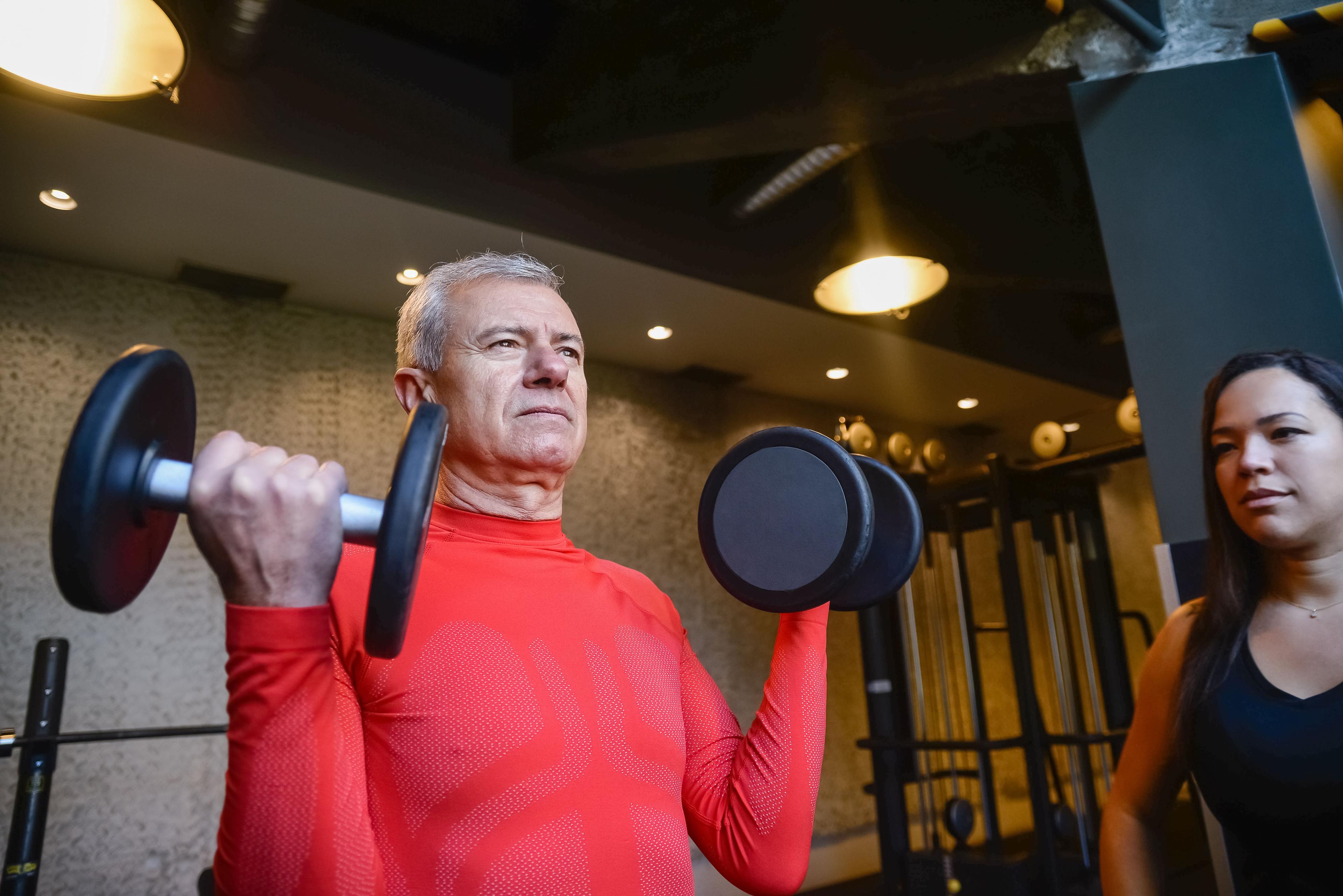
The response is not necessarily to lift heavier weights. It is to move more consistently and to include practices that engage the deep stabilising muscles that conventional gym training tends to miss.
Connective Tissue and Fascia
Fascia — the connective tissue that wraps muscles, organs and joints — becomes stiffer and less hydrated with age. This is a primary driver of the morning stiffness, reduced flexibility and that general sense of feeling less fluid in the body that many people notice in their 40s.
Slow, rhythmic movement is one of the most effective ways to maintain fascial hydration and suppleness. The gentle spiralling and opening movements of Qigong work directly with this.
Proprioception and Balance
The nervous system's ability to sense body position in space begins to decline in the 40s. This is subtle at first — perhaps a slight hesitation on uneven ground, or a need to look at your feet on stairs. Left unaddressed, this decline compounds and significantly increases fall risk in later decades.
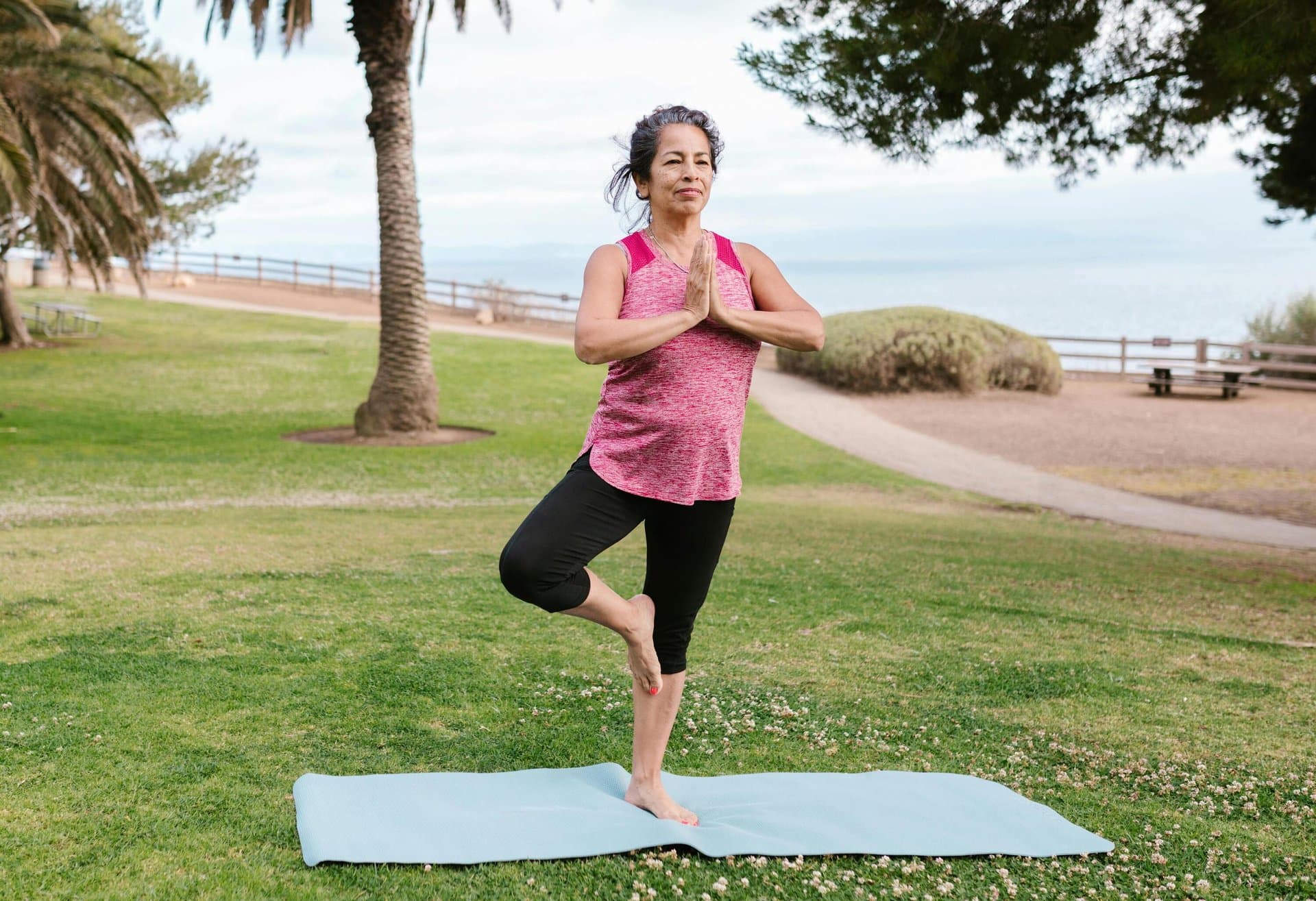
Balance training is not just for older adults. Beginning in your 40s means you are building a foundation rather than trying to recover lost ground.
Recovery and Sleep
The capacity to recover from physical and mental stress changes in your 40s. Sleep architecture shifts — less deep sleep, more light sleep, more frequent waking. Stress recovery takes longer. The nervous system spends more time in a activated state and needs more deliberate support to shift into rest and repair.
Practices that activate the parasympathetic nervous system — slow breathing, gentle movement, meditation — become increasingly important rather than optional at this stage of life.
Hormonal Changes
Both men and women experience hormonal shifts through their 40s. Testosterone declines in men, contributing to reduced muscle recovery, energy and mood. Women begin the perimenopause transition, which affects everything from sleep quality and body composition to joint comfort and emotional regulation.
Lifestyle practices that reduce chronic stress — which disrupts hormonal balance directly — become important levers during this period.
What Actually Helps
The 40s are not a beginning of the end. They are a signal that the approach needs to evolve.
High-intensity training without adequate recovery becomes counterproductive. Pushing through stiffness and fatigue without addressing their cause leads to injury and burnout. What works is consistent, sustainable movement that builds capacity over time rather than depleting it.
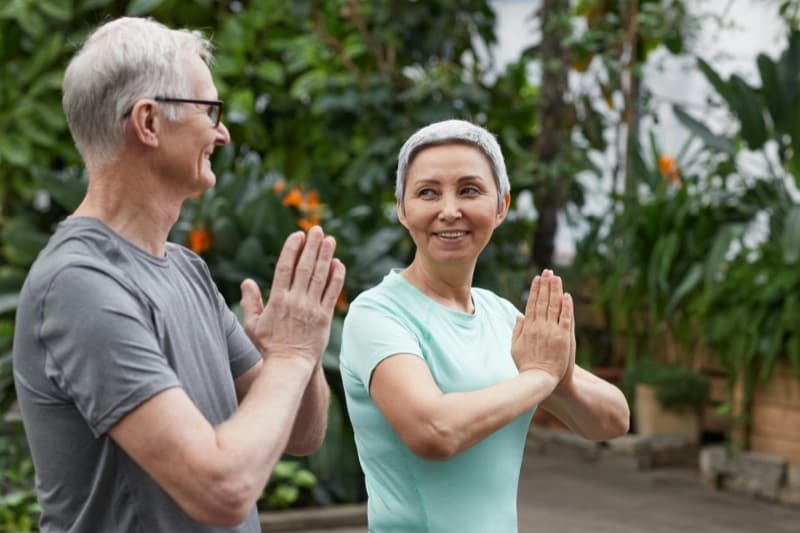
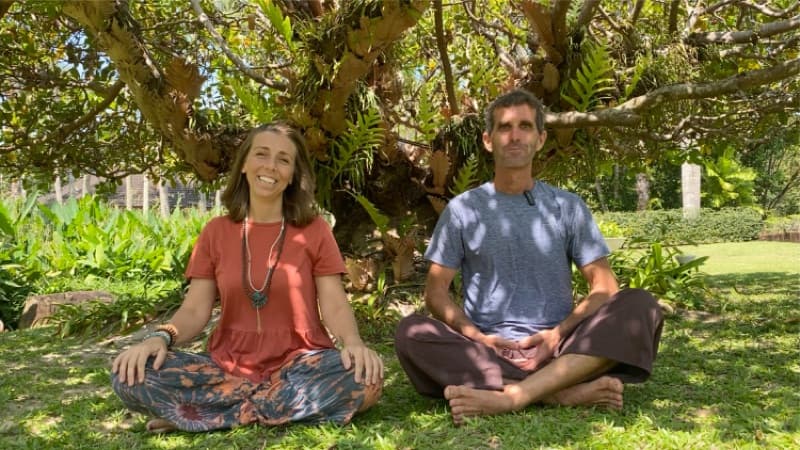
Practices like Qigong and Tai Chi are particularly well suited to this stage of life because they:
Develop the deep stabilising muscles and proprioceptive awareness that protect joints and reduce fall risk.
Work with the fascia through gentle, rhythmic movement that maintains suppleness without forcing range of motion.
Activate the parasympathetic nervous system, supporting recovery, sleep quality and hormonal balance.
Build body awareness — the ability to sense what the body needs and respond appropriately — which becomes increasingly valuable as the body becomes less forgiving of neglect.
Our Morning Energy Flow course is a practical starting point — a short daily Qigong practice designed to address exactly the morning stiffness, low energy and tension that many people in their 40s and 50s notice.
The 10-Year Window
Research increasingly supports the idea that the choices made between 45 and 65 have an outsized impact on health in the decades that follow. A 2026 longitudinal study found that maintaining good physical and vascular health through midlife was associated with nearly 13 additional dementia-free years.
The interventions are not dramatic. They are consistent movement, managed stress, adequate sleep, and attention to what the body is telling you. The 40s are when these habits matter most — not because decline is inevitable, but because the compounding effects of good habits are greatest when started early.
For a comprehensive approach to holistic health through midlife and beyond, the Holistic Health and Wellness Program covers movement, breathwork, nutrition and stress management in a single structured programme.
If you'd like a short daily practice to start with, we have a free course — Morning Energy Flow.
Frequently Asked Questions
Is it normal to feel so different physically after 40?
Yes — the changes are real and physiological, not imagined. Most people notice them between 38 and 45. The key is not to dismiss them or push through, but to understand what is driving them and respond with the right approach.
Do I need to start a completely new exercise routine?
Not necessarily. The most important thing is to add practices that address the specific changes of this life stage — particularly balance, flexibility, fascial health and nervous system recovery — alongside whatever you are already doing. Even 15 minutes of Qigong or Tai Chi daily can make a significant difference over months.
How quickly will I notice a difference?
Most people notice changes in energy, morning stiffness and sleep quality within two to four weeks of beginning a consistent gentle movement practice. Deeper changes — in balance, body composition and stress resilience — typically become apparent after two to three months.