Walking is one of the simplest ways to stay active as you get older. It supports cardiovascular fitness, keeps your legs moving and gives you a chance to spend time outside.
But walking can also be an opportunity to pay more attention to your balance.
Every step requires your body to shift weight from one foot to the other while your muscles, joints, eyes and nervous system work together to keep you upright.
So, can walking improve balance?
Regular walking can help you practise some of the skills involved in balance, particularly when you become more aware of how you move. However, walking on its own is not a complete balance programme. Adding simple balance exercises and mindful movement can give you more opportunities to work on these skills.
How Does Walking Involve Balance?
Walking may feel automatic, but your body is making constant adjustments with every step.
As you walk, you need to:
Shift your weight from one leg to the other
Maintain an upright posture
Coordinate your arms and legs
Adjust to changes in the ground beneath you
Place each foot accurately
Respond to changes in direction and speed
Your ankles, knees and hips all contribute, while your eyes and your sense of where your body is in space provide important information.
This is why walking can be useful practice for maintaining everyday movement skills.
Can Walking Improve Balance?
Walking regularly can help you maintain strength, coordination and confidence while moving.
It also gives you repeated opportunities to practise weight shifting, foot placement and maintaining a steady rhythm.
However, normal walking usually keeps your balance demands relatively predictable. If you want to specifically work on balance, it can be helpful to introduce small variations rather than simply walking farther.
For example, you can practise walking at different speeds, changing direction carefully or becoming more aware of how your feet contact the ground.
Always choose an environment where you feel safe and have enough space.
1. Pay Attention to Your Feet
The next time you go for a walk, notice how your feet meet the ground.
You do not need to change your natural walking pattern. Simply notice:
Which part of your foot touches down first
How your weight moves across the foot
How evenly you step from side to side
Whether one foot feels more stable than the other
This kind of awareness can make walking more of a mindful movement practice.
You may also notice that your steps become more deliberate when you stop rushing.
2. Practise Weight Shifting
Balance is closely connected to your ability to shift your weight under control.
You can practise this while standing somewhere stable.
With your feet comfortably apart, slowly shift your weight towards one foot and then back towards the other.
Keep the movement small and controlled.
You can then practise shifting your weight forwards and backwards without lifting your feet.
This may look very simple, but it gives you an opportunity to notice how your body responds when your centre of gravity moves.
If you feel unsteady, practise near a sturdy surface that you can use for support.
3. Change Your Walking Pace
Instead of walking at exactly the same speed throughout your entire walk, try introducing small changes.
Walk normally for a minute, then slow down slightly.
After another minute, return to your normal pace.
The goal is not to walk quickly. It is to practise changing your rhythm while remaining comfortable and controlled.
You can also occasionally pause, take a breath and begin walking again.
These small changes can make an otherwise automatic walk more engaging.
4. Practise Turning
Turning is another everyday movement that involves balance and coordination.
Rather than making sudden turns, practise changing direction gradually.
When walking, look towards where you want to go and allow your body to turn naturally.
You can also practise gentle changes of direction in an open, familiar space.
Avoid making this unnecessarily difficult. The goal is to become more comfortable with controlled changes in direction, not to challenge your balance to the point of feeling unsafe.
5. Add Mindful Movement to Your Routine
Balance is not only about standing on one leg.
It also involves awareness, coordination, posture and the ability to control movement.
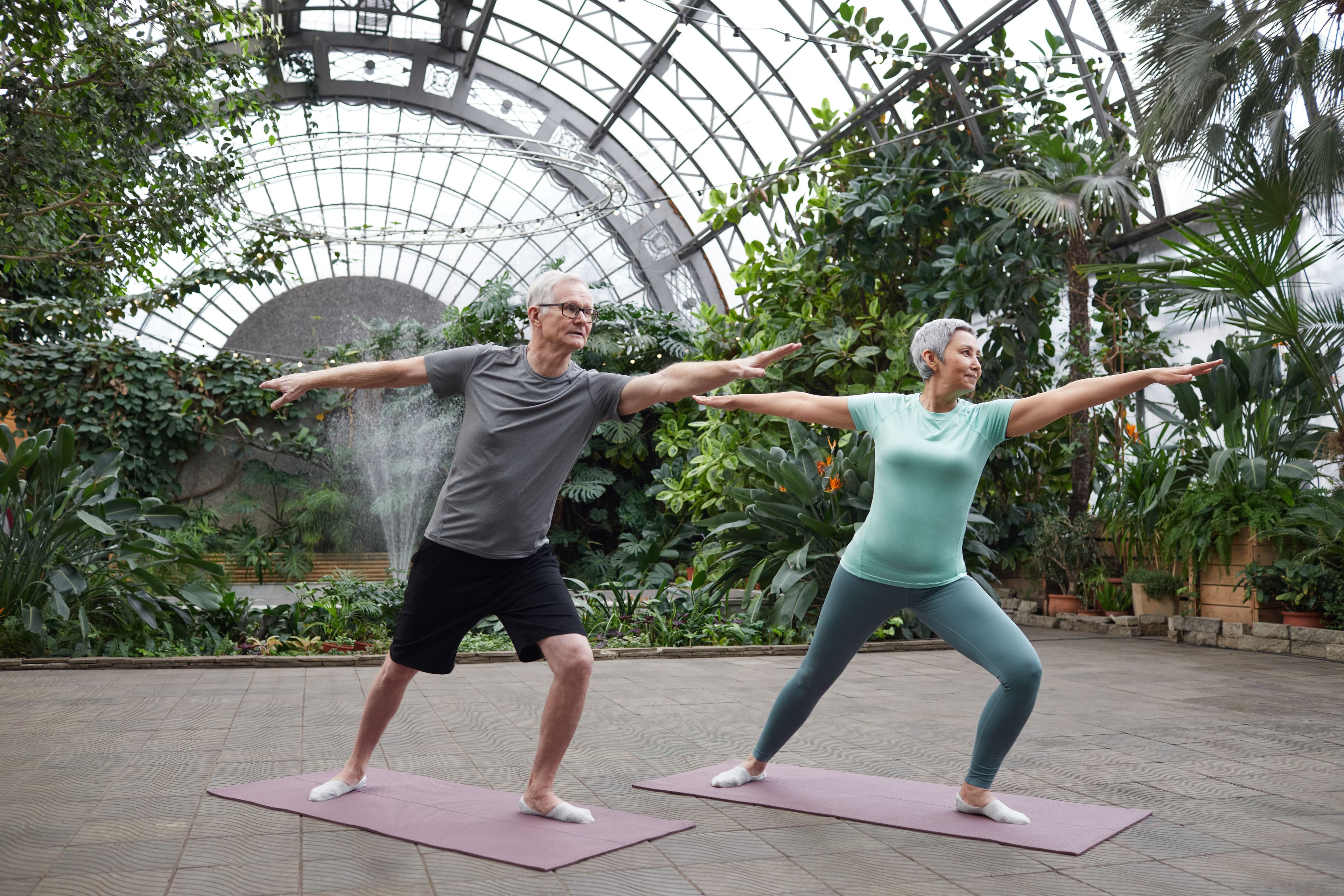
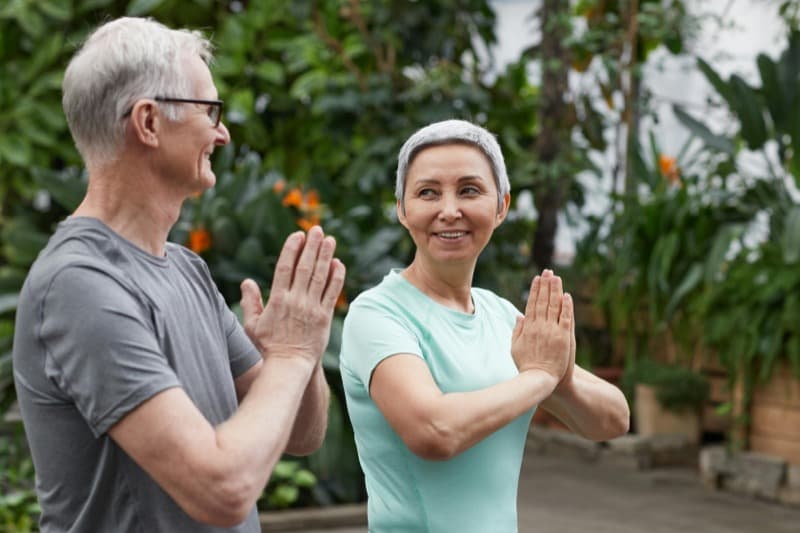
Slower practices such as Qi Gong and Tai Chi can complement walking because they involve controlled weight shifting, coordination and awareness of how the body moves.
If you want to work more specifically on balance, our free Fall Prevention & Better Balance course provides guided exercises and practical techniques to help you develop better balance, stability and confidence in everyday movement.
A Simple Mindful Walking Practice
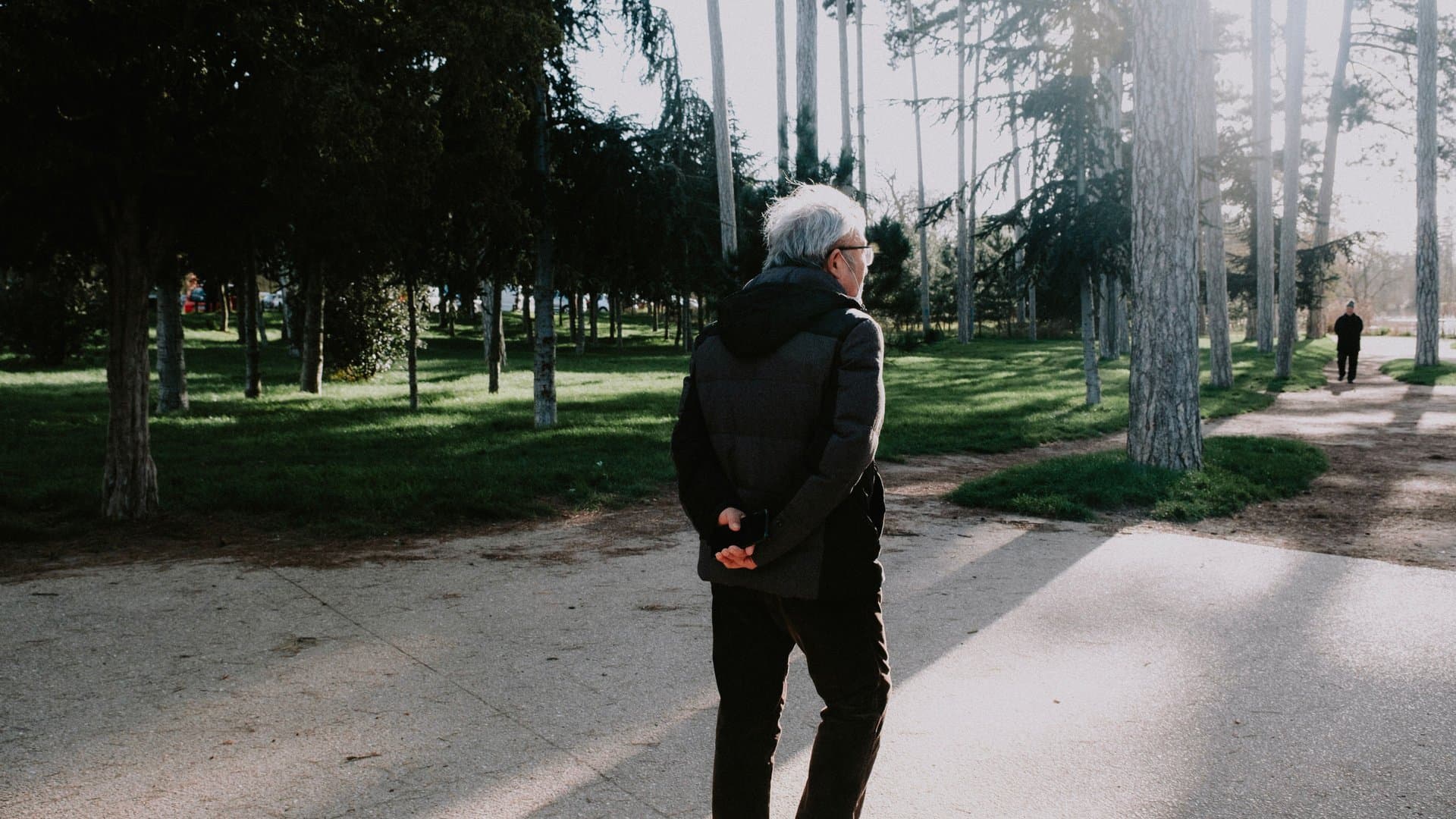
You can turn part of your next walk into a short balance and awareness practice.
Start by walking normally for two minutes.
Then spend one minute paying attention to your feet.
For the next minute, notice how your weight moves from one side to the other.
Walk normally again for two minutes, keeping your shoulders relaxed and your breathing comfortable.
Finally, slow down for the last minute and pay attention to your posture, your steps and the surface beneath your feet.
There is no need to make the whole walk highly focused. Even a few mindful minutes can be enough to bring more awareness to your movement.
Walking Is Only Part of the Picture
If your goal is to improve balance as you age, include other types of movement too.
Strength exercises can help maintain the muscles you use to stand and walk. Mobility exercises can help you move your joints comfortably. Specific balance exercises can give you more opportunities to practise controlling your body when your base of support becomes smaller.
You can also make everyday activities part of an active lifestyle.
Take regular walks.
Stand up regularly if you spend a lot of time sitting.
Practise moving in different directions.
Use stairs when appropriate.
And spend a little time each day paying attention to how your body moves.
When Should You Be Careful?
Balance exercises should be appropriate for your current ability.
If you have a history of falls, significant dizziness, unexplained loss of balance or another condition affecting your ability to walk safely, speak with a qualified healthcare professional before adding new balance exercises.
When practising at home, remove trip hazards and keep a sturdy surface nearby for support.
You do not need to make balance exercises difficult to make them useful.
Bringing It All Together
Walking can be more than a way to get from one place to another.
It gives you regular opportunities to practise weight shifting, foot placement, coordination and controlled movement.
By slowing down occasionally and paying attention to how you walk, you can make your everyday walks more mindful.
Just remember that walking is one part of maintaining balance. Combining regular walking with strength, mobility, balance exercises and mindful movement gives you more ways to keep practising the skills that support everyday movement.
A simple walk, done regularly and with a little more awareness, can be a valuable part of an active routine at any age.
Frequently Asked Questions
Can walking improve balance?
Regular walking can help maintain movement skills such as coordination, leg strength and weight shifting. For more specific balance training, it is useful to include dedicated balance exercises as well.
How can I make walking better for balance?
Pay attention to your foot placement, practise controlled changes of pace and direction, and occasionally slow down to notice your posture and weight shifting. Always practise in a safe environment.
Is mindful walking good for older adults?
Mindful walking can be a simple way to bring more attention to posture, foot placement, breathing and movement. It can be adapted to different abilities and does not need to be strenuous.
What other exercises help with balance?
Strength, mobility and specific balance exercises can all complement walking. Practices such as Qi Gong and Tai Chi also involve controlled weight shifting, coordination and body awareness.