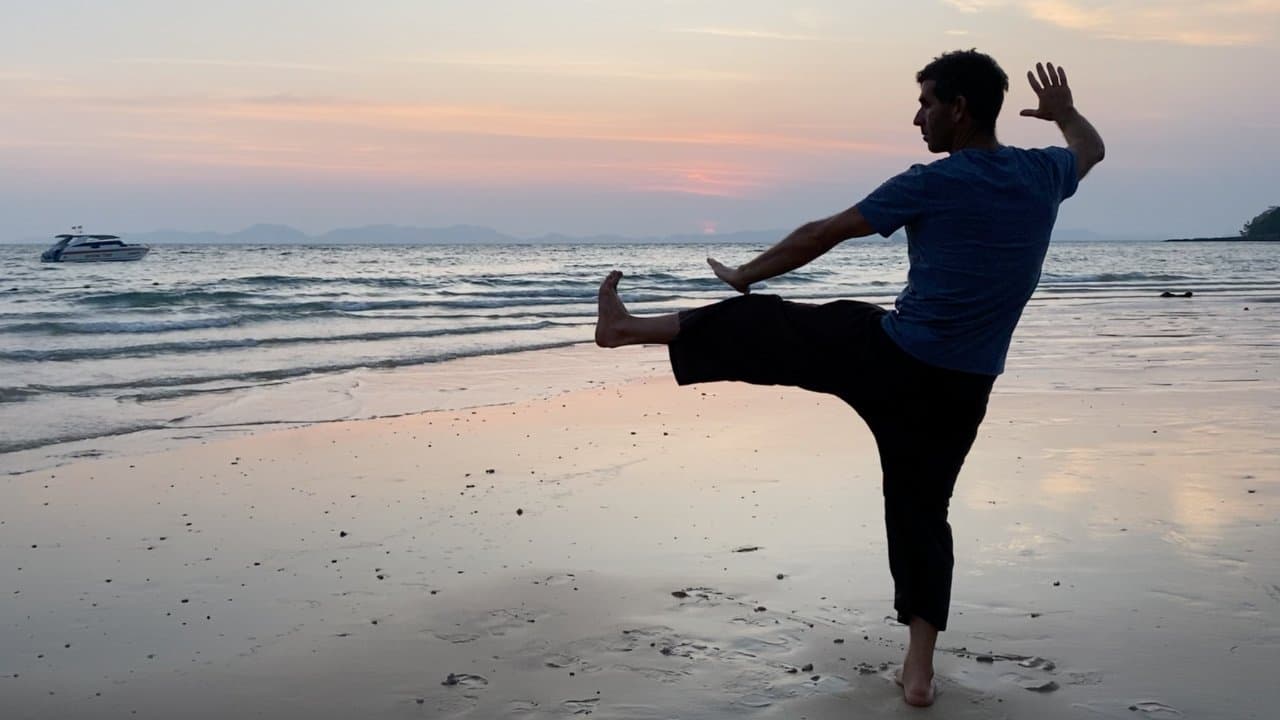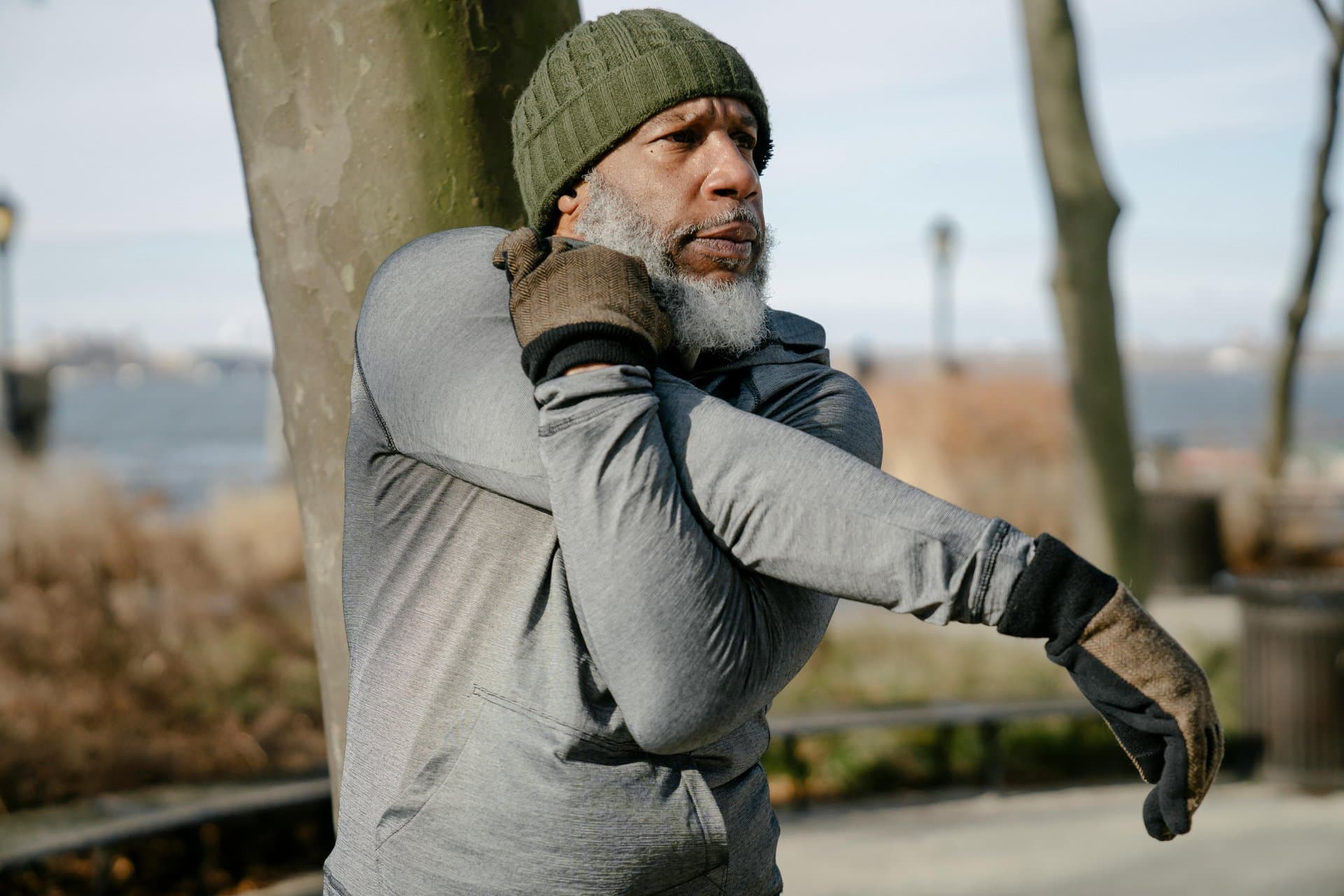
Many people are discovering practices like Qi Gong after hearing about "Chinese lymphatic detox" methods online.
But these practices were never really about detox trends.
They were about something much simpler.
Helping the body move, breathe, and function with more ease.
For centuries, Taoist practices have focused on supporting health through:
Gentle movement
Deep breathing
Relaxation
Balance
Awareness
Today, modern science is increasingly recognising that many of these same principles support circulation, stress regulation, and overall wellbeing.
As we explored in our guide on the ancient Chinese lymphatic detox and fascia release method, the goal is not to force the body to cleanse itself. It is to support the systems that already help the body function well.
The Taoist Idea of Flow
Taoist traditions place a strong emphasis on flow.
Flow of movement.
Flow of breath.
Flow of circulation.
Flow of energy.
When the body becomes stiff, stressed, or inactive, many people begin to feel sluggish, tense, and disconnected.
Gentle movement practices were developed to help restore a sense of ease and balance.
While ancient Taoist teachers did not use modern terms like lymphatic drainage or nervous system regulation, many of the practices align surprisingly well with what we understand today.
Why Qi Gong Fits So Well
Qi Gong combines:
Movement
Breathing
Awareness
Relaxation
Unlike many forms of exercise, the goal is not intensity.
The movements are usually slow, repetitive, and connected to the breath.
This makes them accessible for almost anyone.
And because the practice is gentle, it becomes easier to stay consistent.
Long term health is often built through practices that people can continue for years, not just weeks.
The Lymphatic System Depends on Movement
The lymphatic system relies heavily on:
Muscle activity
Joint movement
Changes in breathing pressure
Regular movement throughout the day
This is one reason practices like Qi Gong can feel so beneficial.
Many Qi Gong movements naturally include:
Weight shifting
Gentle twisting
Raising and lowering the arms
Opening the chest
Deep breathing
If you are looking for simple movements to begin with, we share several beginner practices in our guide on traditional Chinese movements for lymphatic drainage.
Breath Is Part of the Practice
One of the things that makes Taoist training unique is that breathing and movement are never separated.
The breath guides the rhythm.
The movements remain soft.
The body gradually relaxes.
Deep breathing also influences circulation throughout the body and helps support a calmer nervous system.
This may be one reason people often finish a Qi Gong practice feeling lighter, calmer, and more refreshed.
Why Relaxation Matters
Modern life keeps many people in a constant state of tension.
Stress affects:
Breathing
Posture
Movement
Sleep
Energy levels
Recovery
When the body remains tense for long periods, it becomes harder to move and breathe naturally.
Taoist practices approach health differently.
Instead of adding more stress, they encourage softness.
The body slows down.
Breathing deepens.
Muscles begin to relax.
The nervous system becomes quieter.
This creates a more supportive environment for the body to function well.
Small Daily Practices Matter Most
Many people look for dramatic health solutions.
But Taoist traditions have always emphasised consistency.
A few minutes of:
Gentle movement
Deep breathing
Relaxation
Mindful awareness
practised regularly can create meaningful changes over time.
This is one reason Qi Gong has remained part of traditional health practices for centuries.
It is:
Simple
Accessible
Gentle
Sustainable
A Simple Practice to Try
You do not need a long routine.
Try this:
Take five slow belly breaths.
Raise and lower your arms with your breathing.
Gently rotate through your spine.
Shift your weight from one foot to the other.
Finish by standing quietly for one minute.
The goal is not to do the movements perfectly.
The goal is simply to create a little more flow.
Even five to ten minutes can leave the body feeling calmer and more open.
What This Practice Is Not
Taoist practices are not:
A miracle detox
A quick fix
A replacement for medical care
A way to force toxins out of the body
Instead, they support the systems that already help the body function well.
Movement.
Breathing.
Relaxation.
Recovery.
Consistency.
This is a much more grounded way of thinking about health.
Bringing It All Together
Taoist training offers a simple but powerful message.
The body often needs less force and more balance.
Practices like Qi Gong support movement, breathing, relaxation, and nervous system regulation in a way that feels gentle and sustainable.
They are not quick fixes.
They are daily practices that help the body function well over time.
And sometimes the oldest practices still have the most to teach us.
Ultimately, these small daily habits are part of a much bigger picture of healthy ageing and wellbeing. Explore our guide on longevity lifestyle to see how movement, breath, sleep, and recovery work together to support long term health.