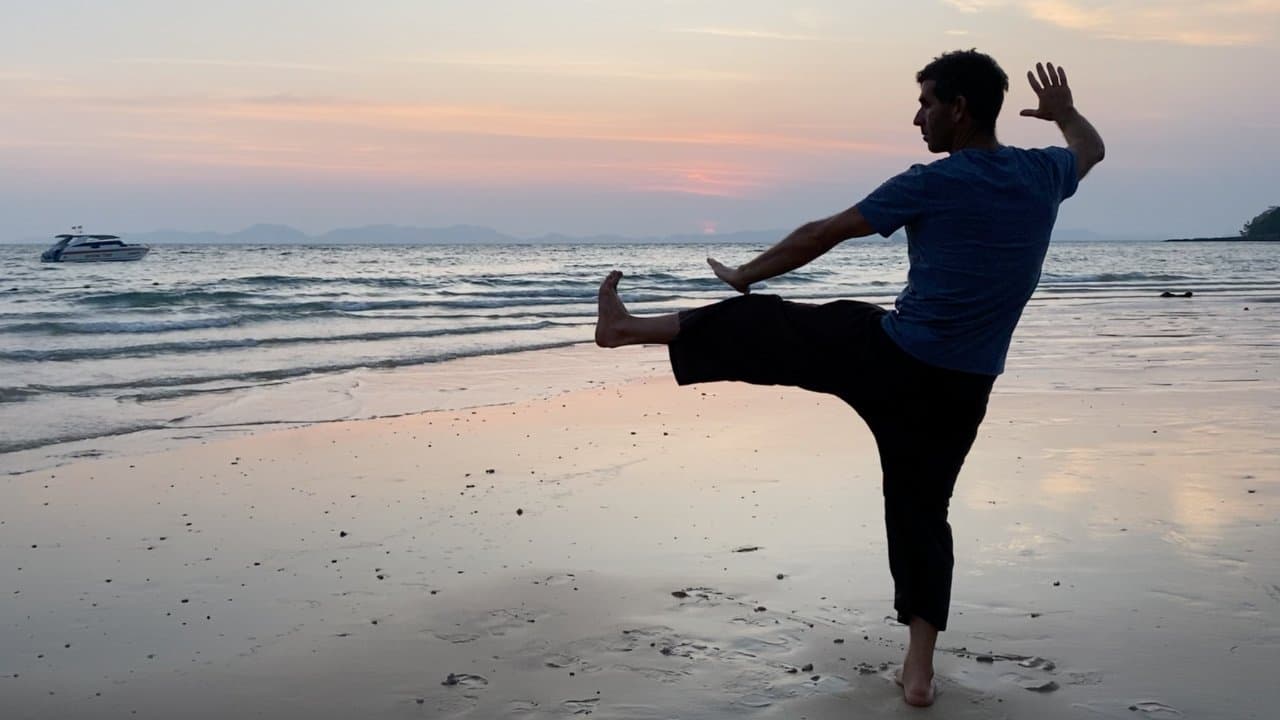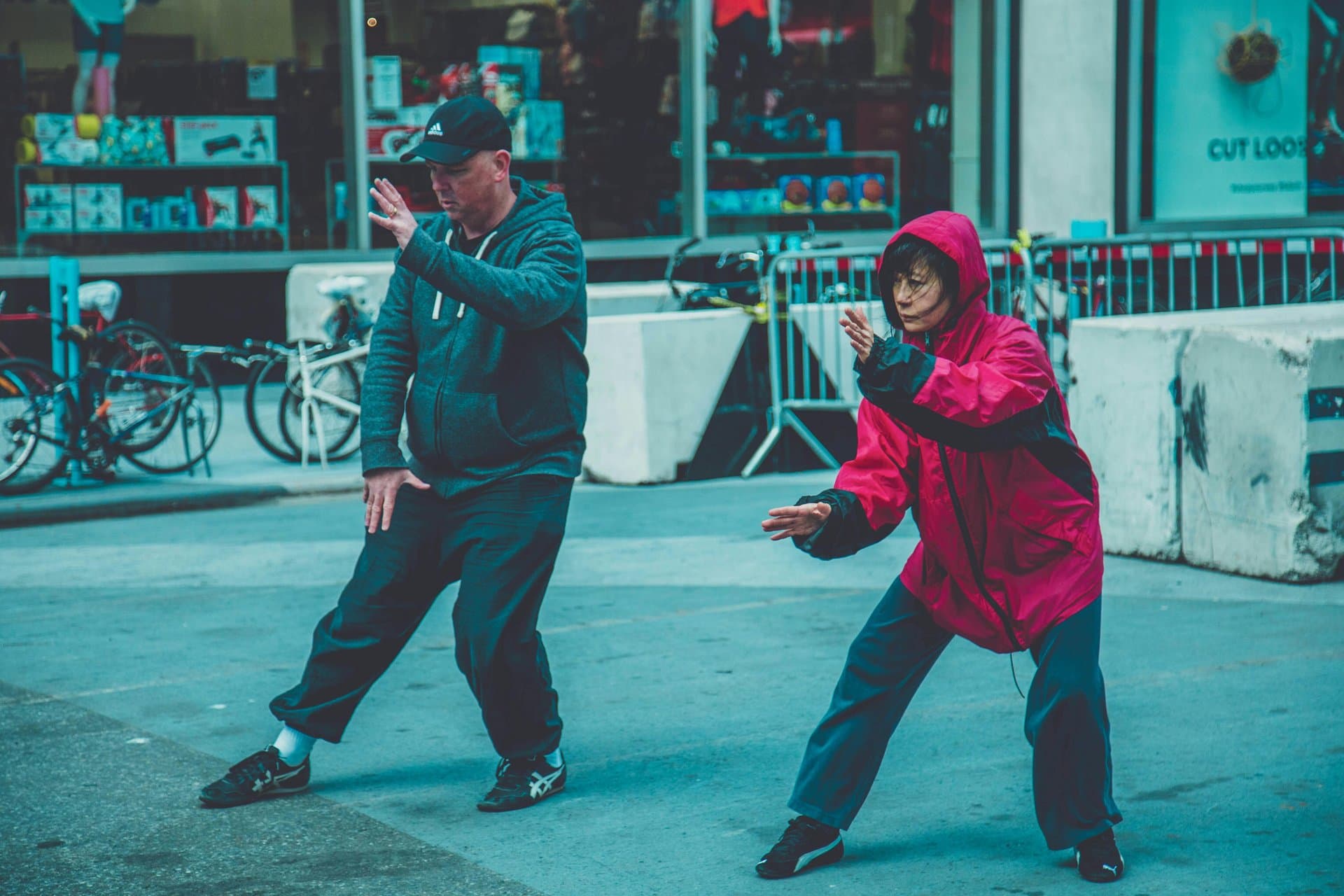
You have probably heard Tai Chi and Qigong mentioned together. At first glance, they do look similar. Slow movements, steady breathing, calm focus. But once you step into the practice, the difference becomes clear. And that difference matters.
If you are trying to decide which one fits your body, your age, or your lifestyle, it helps to move away from tradition and theory and instead look at how these practices actually feel and what they support in everyday life.
Tai Chi
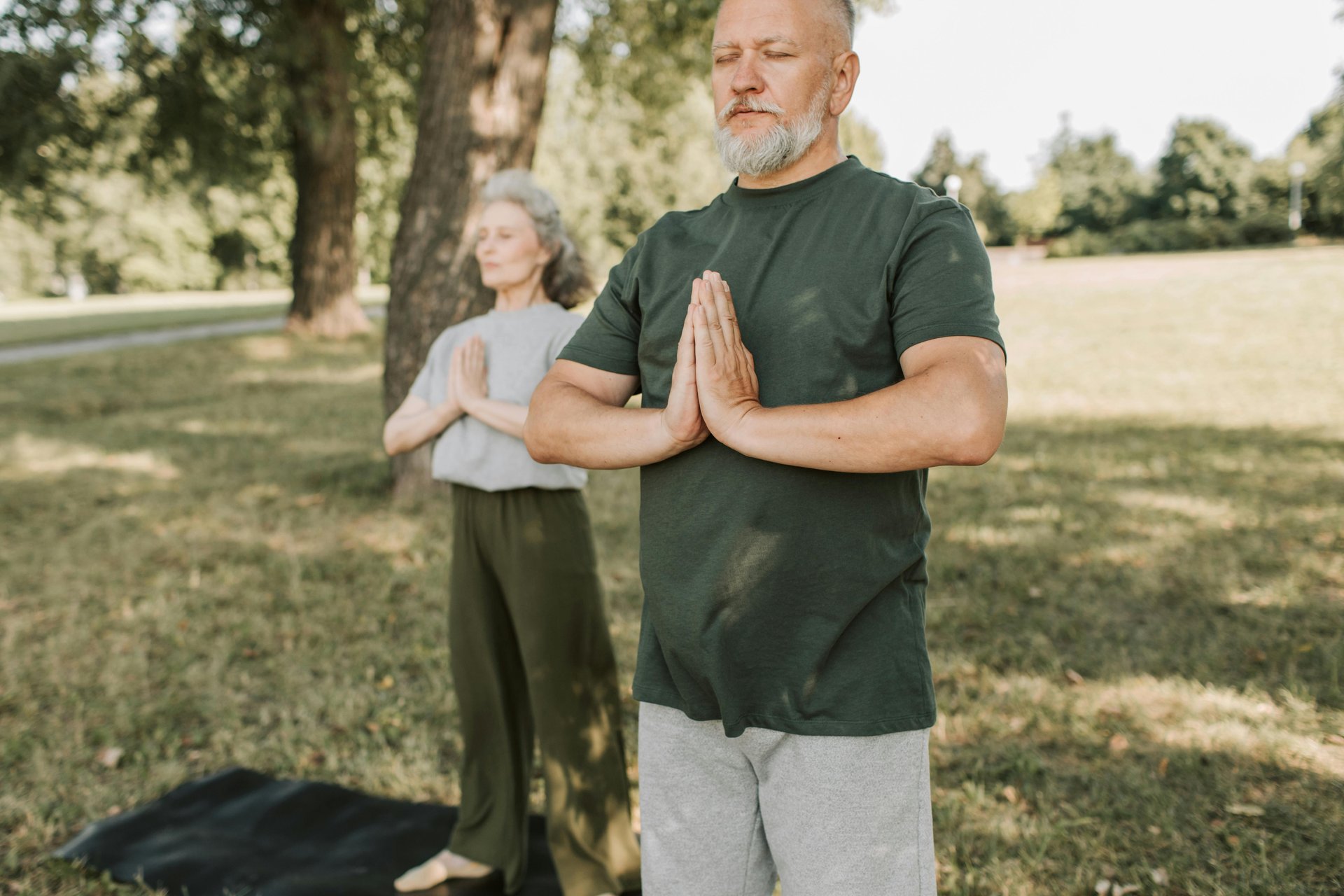
A practice that supports aging well
If you are in your sixties or beyond, or if you are supporting someone who is, Tai Chi is one of the most valuable practices you can introduce. That is not an exaggeration. It is something we see again and again.
1. Tai Chi supports balance and helps prevent falls
A fall can change everything. One moment can lead to injury, then to reduced movement, then to fear of walking again. Confidence fades. Strength declines.
Tai Chi works directly with this. The slow, intentional shifting of weight teaches the body how to move safely and with awareness. You are not just standing still. You are learning how to transition, step, and adjust with control.
This kind of balance training is gentle, practical, and deeply empowering.
2. It is kind to the joints
Many older adults live with stiffness in the knees, hips, shoulders, or spine. Tai Chi does not force range of motion. The movements are circular and fluid, inviting the joints to move again without strain.
There is no pushing through pain. Over time, this steady and patient approach can ease discomfort and improve mobility, especially when practiced regularly, even for fifteen or twenty minutes a day.
3. It keeps the mind engaged
Tai Chi supports the brain as much as the body. Learning and remembering movement sequences gently challenges memory, focus, and coordination. Combined with physical movement, this makes Tai Chi a powerful practice for long term brain health.
Qigong
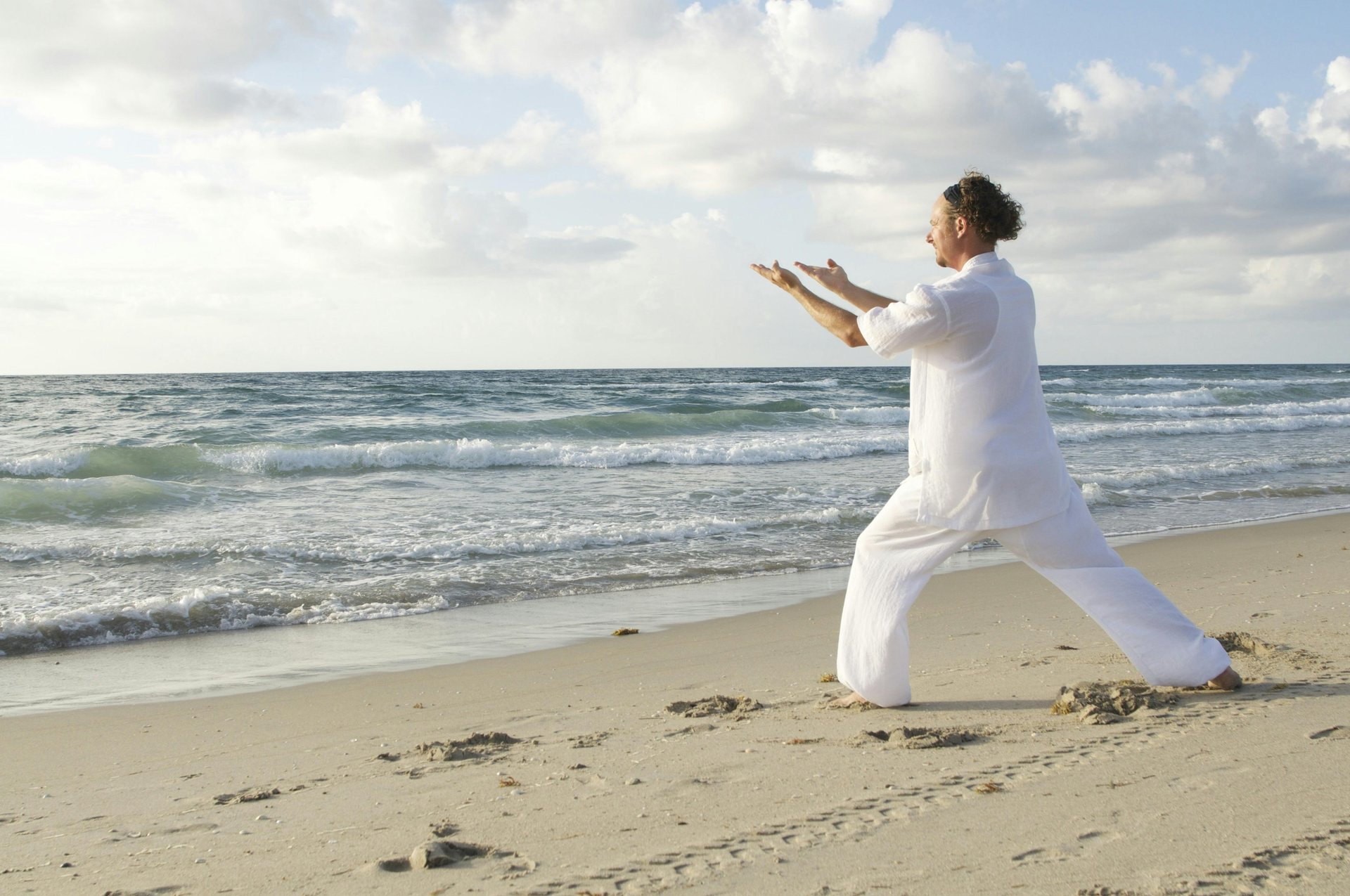
A flexible movement practice for every season of life
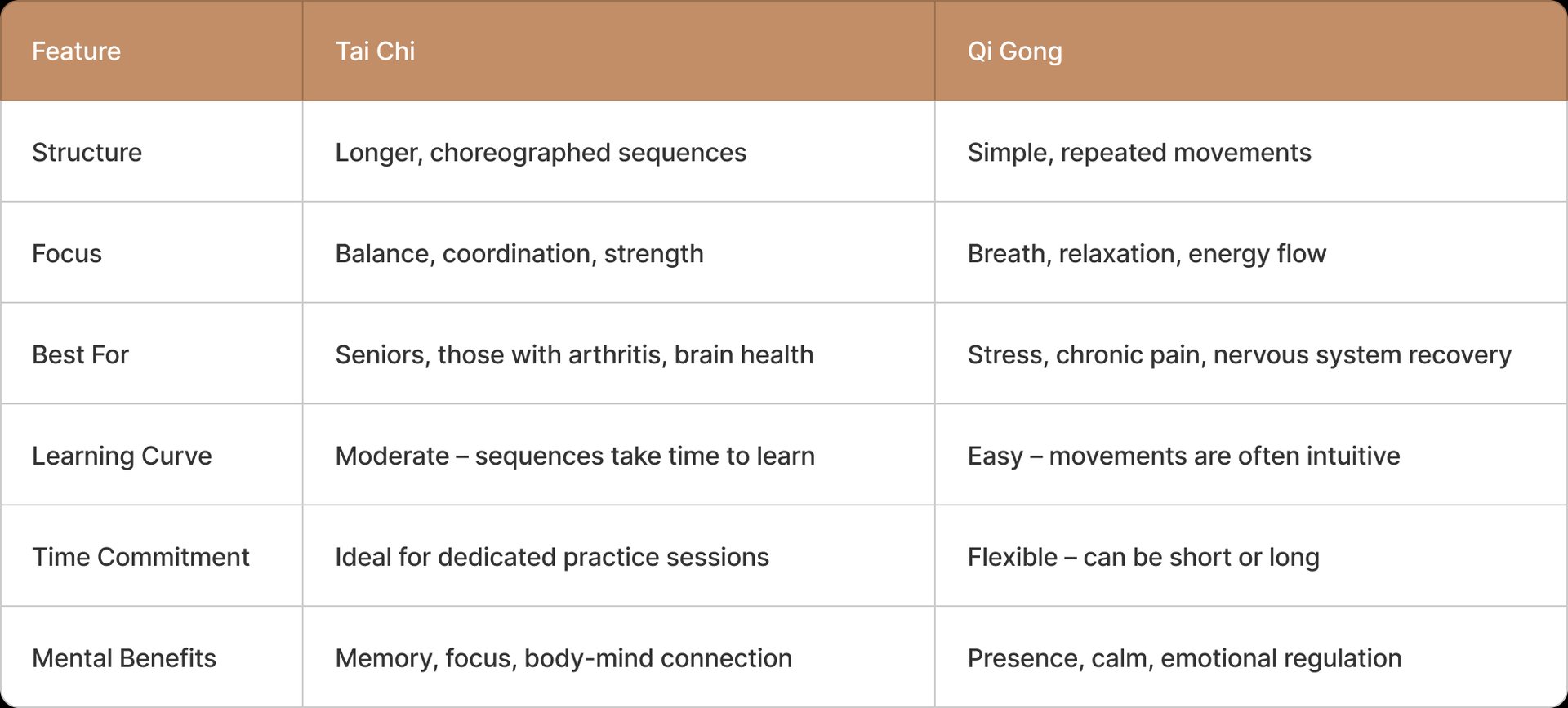
If Tai Chi is a structured form, Qigong is more like a toolbox.
There is no single Qigong style. Instead, it is a broad collection of practices that support physical health, emotional balance, energy flow, stress regulation, and gentle movement meditation.
The question with Qigong is simple. What do you need right now?
Looking to slow down and unwind?
Qigong is especially effective here. Many practices are designed to calm the nervous system and regulate the breath. This is why Qigong for Stress Relief is one of our most popular courses. It is gentle, grounding, and deeply restorative.
Dealing with chronic pain or stiffness?
Qigong works with the body rather than against it. Movements are connected to the breath and guided by awareness, allowing tension to release instead of being forced out.
Want gentle movement that still supports energy and circulation?
For those who want to move without traditional workouts, Qigong offers a supportive alternative.
How Qigong feels different from Tai Chi
Tai Chi often follows longer sequences, similar to learning a form or a slow moving dance.
Qigong can be much simpler. Sometimes it is one movement repeated slowly, guided by the breath, for just a few minutes.
Softer
More internal
Easier to adapt based on how your body feels that day
Can you practice both?
Absolutely.
Many people alternate depending on the day. Some days call for the structure and flow of Tai Chi. Other days feel better with simple, breath led Qigong movements.
Where to begin
If you are new, the most important thing is to start somewhere that feels doable. Let curiosity guide you. Pay attention to how your body responds.
Your body already knows the way. These practices simply help you listen.