Falls are one of the biggest health concerns as we age.
They can lead to injuries, reduced confidence, loss of independence, and a fear of movement that often creates even greater physical decline.
The good news is that one of the most effective fall prevention exercises does not involve intense workouts or complicated equipment.
It is Tai Chi.
Multiple high quality studies have shown that regular Tai Chi practice can significantly reduce the risk of falls while improving balance, coordination, mobility, and confidence.
As we explored in our guide on Qigong, Tai Chi and Longevity, slow intentional movement is one of the most sustainable forms of exercise for healthy ageing.
Why Falls Become More Common With Age
Maintaining balance depends on several systems working together, including:
- Muscle strength
- Joint mobility
- Vision
- Coordination
Proprioception (your body's awareness of where it is in space)
Reaction time
Confidence in movement
As we get older, these systems naturally change.
Many people also become less physically active, which further reduces balance and stability.
Fortunately, balance is a skill that can be trained.
What the Research Says About Tai Chi for Fall Prevention
Tai Chi has become one of the most researched forms of exercise for preventing falls.
Large systematic reviews and meta analyses have found that regular Tai Chi practice can:
- Reduce the overall risk of falls by around 24%
- Improve balance scores on the Berg Balance Scale
- Improve performance on the Timed Up and Go (TUG) test
- Increase walking confidence
- Improve mobility and functional movement
Researchers have also found that the benefits increase when people practise consistently over several months.
In other words, Tai Chi is not a quick fix.
It is a long term investment in healthy movement.
Why Tai Chi Works So Well for Balance
Unlike many forms of exercise, Tai Chi directly trains the skills that help prevent falls.
These include:
- Slow weight shifting
- Controlled movement
- Single leg balance
- Gentle leg strengthening
- Posture
- Coordination
- Body awareness
- Reaction control
Every movement teaches the body how to stay stable while changing position.
Instead of rushing through movements, Tai Chi encourages slow, mindful transitions that strengthen balance naturally.
Tai Chi Improves Proprioception
One of the biggest reasons Tai Chi improves balance is proprioception.
Proprioception is your body's ability to sense where your arms, legs, and joints are without needing to look at them.
This internal awareness naturally declines with age.
Tai Chi constantly trains this system through slow, controlled movement.
As awareness improves, balance often becomes more stable and movement feels more confident.
Gentle Strength Without Joint Stress
Many older adults avoid exercise because of sore joints or arthritis.
Tai Chi offers an alternative.
Rather than placing heavy impact on the knees or hips, movements are:
- Smooth
- Low impact
- Controlled
- Performed at your own pace
The legs become stronger simply by supporting slow movement and gentle weight shifts.
This makes Tai Chi accessible for many people who find traditional exercise difficult.
Example Tai Chi Balance Exercises
Even beginner movements can begin developing better balance.
Some examples include:
- Weight Shifting
Slowly transfer weight from one foot to the other while maintaining an upright posture.
This improves stability during everyday walking.
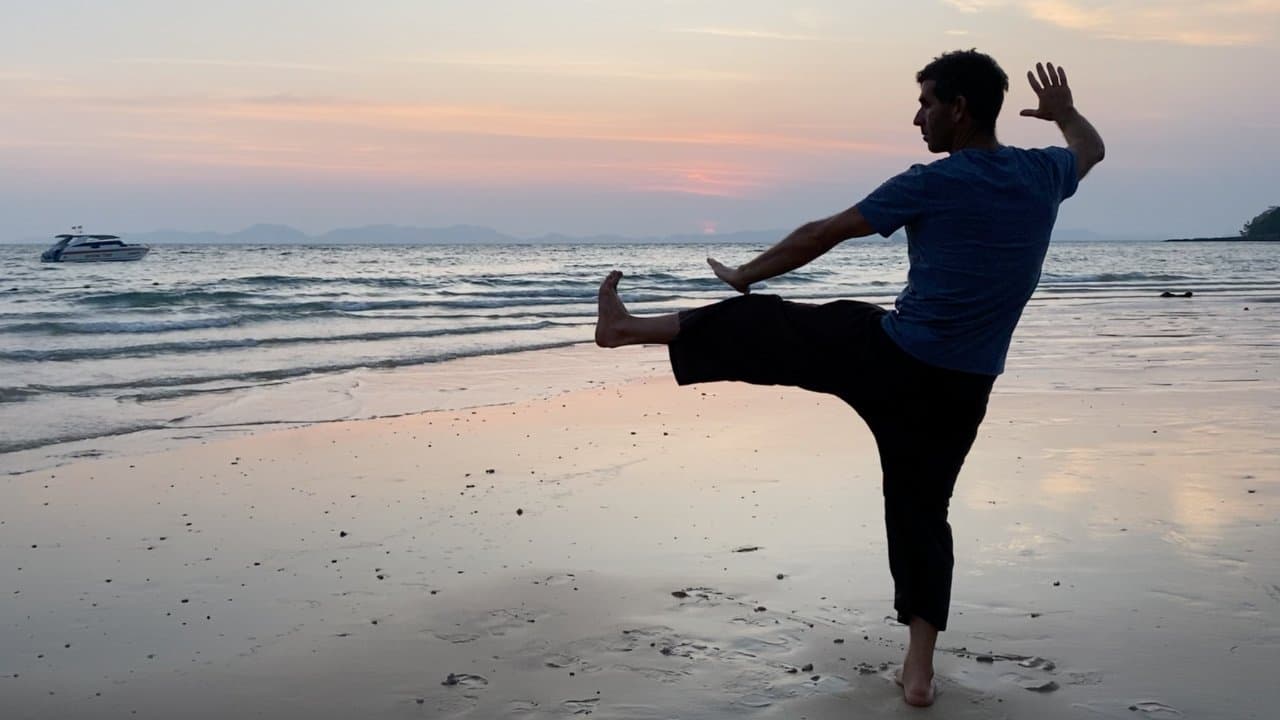
Single Leg Standing
Many Tai Chi forms briefly place most of the body's weight onto one leg.
This safely develops balance over time.
Cloud Hands
One of the best known Tai Chi movements, Cloud Hands combines gentle stepping with coordinated arm movements.
It improves rhythm, coordination, posture, and body awareness.
Controlled Forward and Backward Stepping
Slow stepping patterns teach the body to remain stable while changing direction.
This transfers well into everyday activities like climbing stairs or walking outdoors.
Balance Training Is Also Brain Training
Balance is not only physical.
The brain constantly processes information from the eyes, inner ear, muscles, and joints to keep us upright.
Tai Chi strengthens this connection by combining movement with attention.
Instead of moving automatically, every shift of weight is performed with awareness.
This improves both physical coordination and mental focus.
Confidence Matters Too
After a fall, many people become afraid of falling again.
Unfortunately, this fear often causes people to move less, leading to weaker muscles and poorer balance.
Tai Chi helps rebuild confidence.
As movements become smoother and balance improves, many people begin trusting their bodies again.
This confidence often translates into more activity, greater independence, and a better quality of life.
Consistency Produces the Greatest Benefits
One of the strongest findings from Tai Chi research is that regular practice matters.
People who practise consistently over weeks and months experience greater improvements than those who only practise occasionally.
You do not need long sessions.
Even 15 to 20 minutes several times each week can build meaningful improvements over time.
Bringing It All Together
Tai Chi is one of the most evidence based exercises available for improving balance and reducing the risk of falls.
Its slow, mindful movements strengthen the body, improve coordination, train proprioception, and build confidence without placing excessive stress on the joints.
Whether your goal is healthy ageing, better mobility, or maintaining independence, Tai Chi offers a sustainable practice that continues delivering benefits over time.