Every few years, a new fitness trend promises to be the key to living longer.
High intensity training, extreme challenges, complicated recovery protocols.
But when researchers study the people and communities known for healthy ageing and longevity, a different pattern often appears.
Gentle, consistent movement.
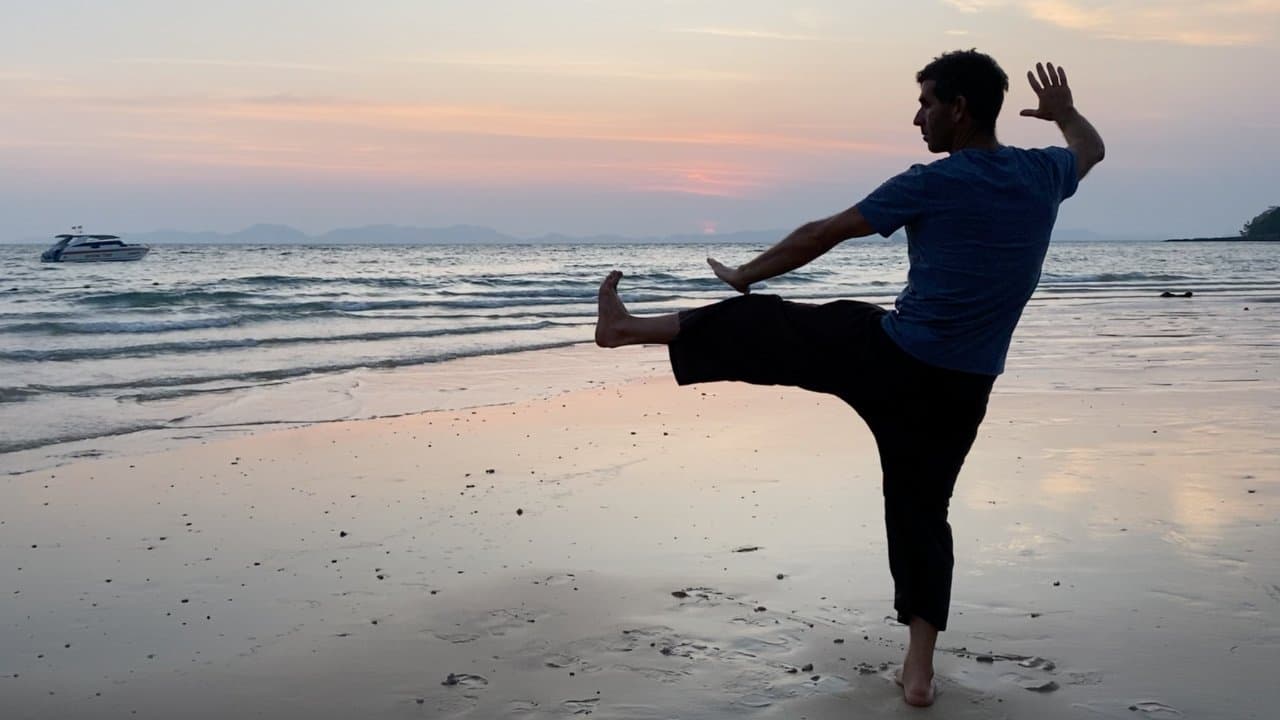
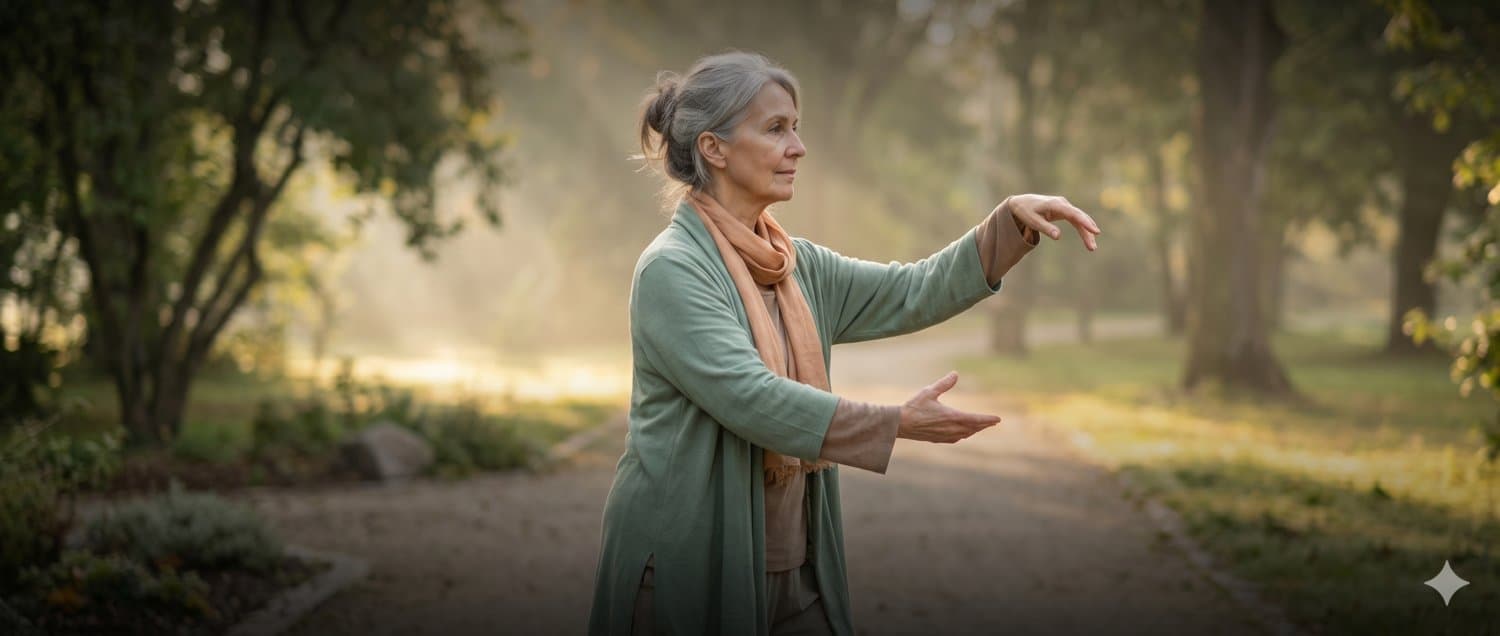
Practices like qigong and tai chi have supported health and vitality for generations, and today, modern longevity research is beginning to explain why.
But as we explore in our guide on longevity lifestyle, the goal is not simply adding more years to life, it is maintaining energy, mobility, balance, and well being as we age.
Why Slow Movement Supports Longevity
One of the biggest misconceptions in fitness is that harder always means better.
In reality, the best movement practices for longevity are often the ones people can sustain consistently over decades.
Qigong and tai chi combine:
Gentle cardiovascular movement
Balance and coordination training
Breath awareness
Nervous system regulation
Mobility and flexibility
Together, these support many of the same systems linked to healthy ageing.
What Longevity Research Actually Shows
Research around Blue Zones longevity and Okinawa longevity consistently points toward lifestyles built on natural daily movement.
These communities are not necessarily spending hours in gyms.
Instead, movement is integrated into daily life through:
Walking
Gardening
Carrying
Gentle physical activity
Social movement practices
This is one reason longevity qigong and longevity tai chi are becoming more recognised within wellness and longevity conversations.
Qigong and Tai Chi Support the Whole System
Unlike many modern exercise systems that isolate one area of fitness, qigong and tai chi work on multiple levels simultaneously.
They support:
Cardiovascular health
Joint mobility
Posture and balance
Stress reduction
Coordination
Body awareness
This makes them especially sustainable as long term practices.
They are not just exercise, they are nervous system practices as well.
We explore this further in our guide on the best exercise for longevity and what actually predicts healthy ageing over time.
The Nervous System and Healthy Ageing
One of the reasons these practices feel so different from intense exercise is the pace.
Slow, rhythmic movement combined with breath helps calm the nervous system instead of constantly overstimulating it.
This may help:
Reduce chronic stress
Improve recovery
Support emotional regulation
Lower physical tension
We explore this more deeply in our guide on vagus nerve qigong and how slow movement supports nervous system balance.
Why These Practices Last
Many people stop exercising because the routine becomes too demanding, painful, or difficult to sustain.
Qigong and tai chi take a different approach.
They focus on:
Moving with awareness
Releasing unnecessary tension
Building consistency gradually
Working with the body instead of against it
This is one reason these practices continue well into older age.
They are designed for longevity, not burnout.
A Practice You Can Grow With
One of the most powerful aspects of qigong and tai chi is that they can adapt with you over time.
Whether someone is:
Completely new to movement
Recovering from stress
Looking for gentle exercise
Wanting more energy and mobility
These practices remain accessible and sustainable.
Our Qigong: Taoist Path to Optimal Health course is your entry point into this tradition, combining movement, breath, and awareness into a practical daily system.
Our Tai Chi course brings the same principles into a flowing, meditative form that supports balance, coordination, and calm focus.
Longevity Is About Sustainability
Healthy ageing is not built through short bursts of intensity.
It comes from small, repeated habits that support the body over time.
This is why practices like qigong and tai chi continue to stand the test of time while many modern trends come and go.
Bringing It All Together
The most effective longevity practices are often the simplest.
Move regularly. Breathe deeply. Reduce unnecessary stress. Support the nervous system.
Qigong and tai chi combine all of these into one sustainable practice.
For a more targeted longevity practice, our Qigong for Lymphatic Drainage and Stress Relief course focuses specifically on circulation, inflammation, and nervous system support through gentle movement and breathwork.