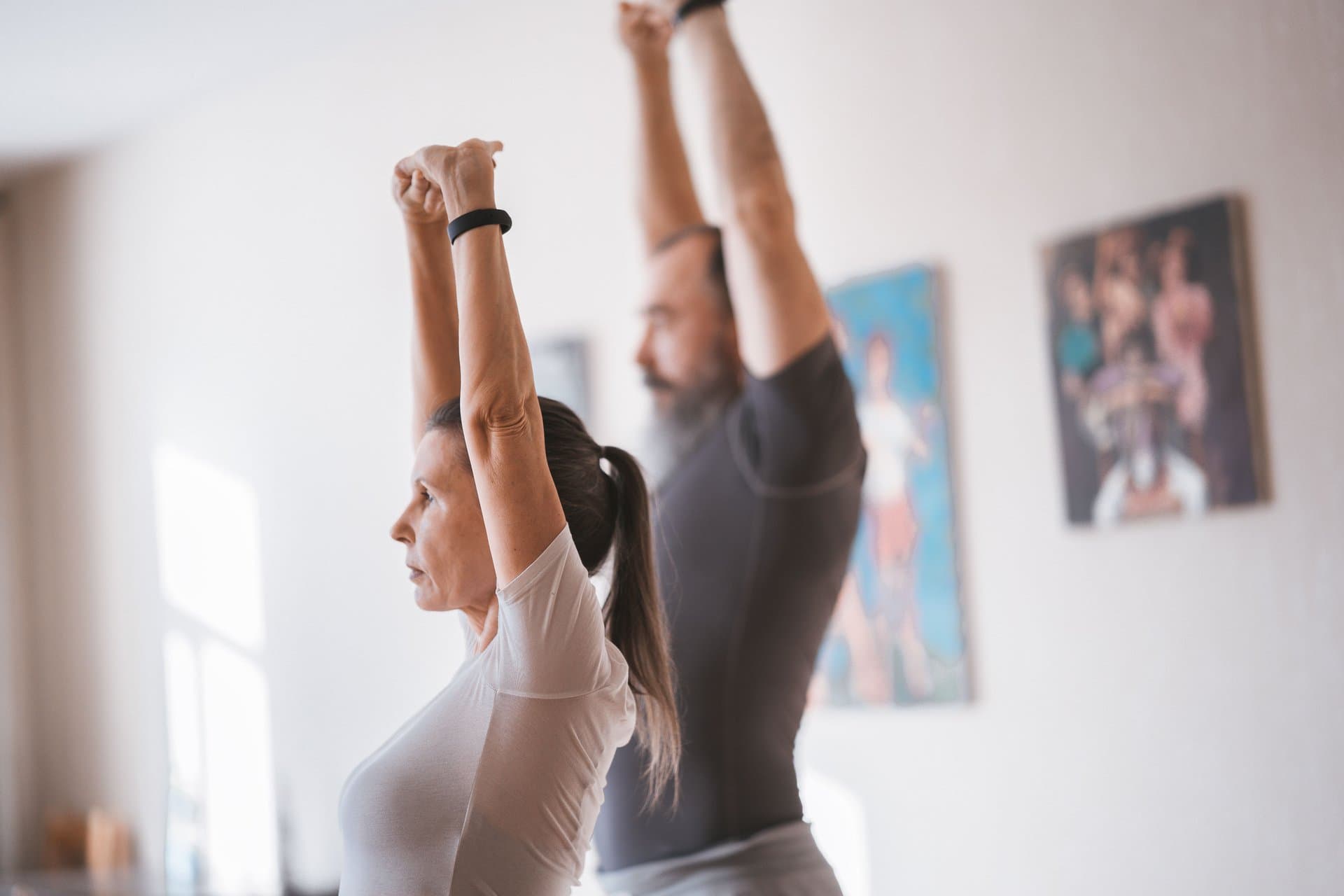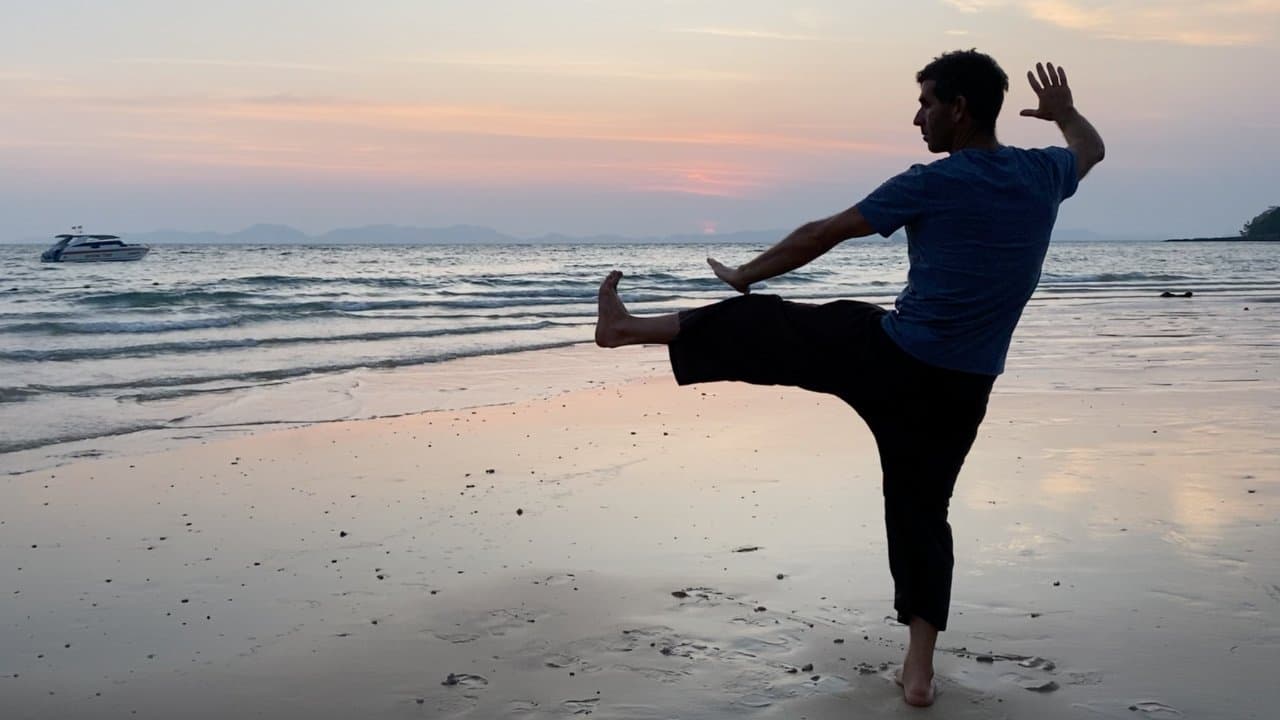
If you are using exercise to support lymphatic circulation, you may wonder how long you actually need to exercise for. Do you need 30 minutes? An hour? Or can a few minutes of gentle movement make a difference?
The answer depends on what you mean by lymphatic drainage. Exercise does not replace specialised lymphatic drainage treatment, but regular movement can support the body's normal lymphatic circulation through muscle contractions, changes in body position and breathing.
For most people, how long to exercise for lymphatic drainage is less important than moving regularly and choosing an activity that you can practise consistently.
How Exercise Supports Lymphatic Flow
Unlike the cardiovascular system, the lymphatic system does not have a central pump like the heart.
Lymph movement is influenced by several mechanisms, including muscle contractions, pressure changes created by breathing and the movement of lymphatic vessels themselves.
When you walk, move your arms, bend your legs or perform gentle flowing exercises, the surrounding muscles contract and relax. This contributes to the movement of fluid through the lymphatic system.
This is one reason why regular physical activity can be useful for supporting normal lymphatic circulation.
How Long Should You Exercise?
There is no specific number of minutes that has been established as the ideal duration for "lymphatic drainage exercise".
For general wellbeing, it is often more useful to think about regular movement throughout the day rather than one specific lymphatic workout.
A practical approach might include:
5–10 minutes: A short gentle movement session when you have limited time
10–20 minutes: Enough time for a relaxed walking, mobility or Qi Gong routine
20–30 minutes: A longer low-impact session combining walking and gentle exercises
Throughout the day: Short movement breaks that reduce prolonged sitting
Even a few minutes can be a useful starting point, particularly if you are currently inactive.
Try a 10-Minute Lymphatic Movement Routine
You do not need a complicated workout. A simple routine can involve the whole body while keeping the intensity comfortable.
1. Deep, Relaxed Breathing – 2 Minutes
Sit or stand comfortably and breathe slowly. Allow your lower ribs and abdomen to expand gently as you inhale.
Avoid forcing the breath or trying to take unusually large breaths.
2. Shoulder and Arm Movements – 2 Minutes
Roll your shoulders slowly and follow with gentle arm sweeps. Keep your movements relaxed and comfortable.
3. Gentle Marching – 2 Minutes
March slowly on the spot, lifting one foot at a time. Let your arms move naturally.
4. Heel Raises – 2 Minutes
Rise onto the balls of your feet and slowly lower your heels. Use a chair or wall for support if needed.
5. Gentle Whole-Body Movement – 2 Minutes
Finish with slow weight shifting, gentle torso rotations or flowing movements.
If you prefer a guided practice, our free Qi Gong for Lymphatic Drainage & Stress Relief course provides an accessible way to combine gentle movement, breathing and relaxation.
Is Longer Exercise Better?
Not necessarily.
The goal is not to exercise for as long or as intensely as possible in order to "flush" the lymphatic system. There is no need to exhaust yourself or perform vigorous exercise specifically for lymphatic health.
Instead, consider how much movement you can comfortably incorporate into your normal lifestyle.
Someone who walks for 15 minutes every day may receive more practical benefit from that consistent habit than someone who performs an intense one-hour session once a week and spends the rest of the week inactive.
This is particularly important as we age. Maintaining regular movement helps support not only normal lymphatic circulation, but also muscle strength, mobility, balance and independence.
Can You Exercise Every Day?
For gentle movement, daily practice is generally a reasonable approach for many healthy people.
Walking, mobility exercises, gentle stretching, breathing and Qi Gong can all be incorporated into a regular routine. The intensity should be appropriate for your fitness level and health.
You can also break movement into smaller sessions. For example, five minutes in the morning, a short walk after lunch and another five minutes of movement in the evening can provide regular activity without requiring a long dedicated workout.
Exercise vs Lymphatic Drainage
It is important to distinguish exercise from manual lymphatic drainage.
Manual lymphatic drainage is a specialised form of very gentle massage using specific techniques and sequences. It may be recommended as part of treatment for certain conditions, such as lymphoedema.
Exercise, on the other hand, supports the body's natural lymph movement as part of normal physical activity.
They can complement each other, but they are not interchangeable. If you have diagnosed lymphoedema, significant swelling, have recently had surgery or have another condition affecting your lymphatic system, speak with an appropriate healthcare professional or lymphoedema specialist about the type and amount of exercise that is suitable for you.
Frequently Asked Questions
Is 10 minutes of exercise enough for lymphatic drainage?
Ten minutes of gentle movement can be a useful starting point. There is no established minimum duration specifically required to produce "lymphatic drainage", so consistency and regular movement are more useful goals.
Can I exercise for lymphatic health every day?
Gentle activities such as walking, mobility exercises and Qi Gong can often be practised regularly. More demanding exercise should be adjusted according to your fitness, recovery and individual health needs.
What is the best exercise for lymphatic circulation?
There is no single best exercise. Walking, gentle whole-body movement, mobility exercises, breathing practices and activities such as Qi Gong can all contribute to normal lymphatic movement.
Does sweating help drain the lymphatic system?
Sweating is primarily a mechanism for regulating body temperature. Exercise can support lymphatic movement through muscle activity and breathing, but sweating itself should not be viewed as a form of lymphatic drainage.
Bringing It All Together
If you are wondering how long to exercise for lymphatic drainage, start by taking the pressure off the clock.
There is no magic duration that you need to reach. A short, gentle session can be useful, while regular movement throughout the day is even more valuable for maintaining an active lifestyle.
Start with 5–10 minutes if that feels manageable, then gradually build more walking, mobility and whole-body movement into your day. The aim is not to force the lymphatic system, but to support the natural processes that help keep lymph moving.