When you hear people talking about movement, strength or flexibility, muscles usually get most of the attention.
But there is another important part of the picture that is becoming increasingly familiar: fascia.
So what is the difference between fascia and muscle, and why does it matter?
Muscles are specialised tissues that contract to create movement. Fascia is connective tissue that surrounds, separates and connects many structures throughout the body.
They are different tissues, but they do not work independently. Muscles, fascia, joints and the nervous system all contribute to the way you move.
Understanding that relationship can give you a more useful way to think about mobility, stiffness and whole-body movement.
What Is Muscle?
Muscle tissue is designed to contract.
When you decide to stand up, walk, reach for something or climb stairs, your nervous system sends signals to your muscles, causing them to contract and create force.
Skeletal muscles attach to bones through tendons and help produce the movements you use every day.
Muscles are also important for maintaining posture, supporting joints and helping you remain strong and stable as you age.
This is why strength training is such an important part of maintaining physical function.
What Is Fascia?
Fascia is a broad term for connective tissues that surround, connect and support structures throughout the body.
Rather than being one single layer, the fascial system includes different types of connective tissue with different structures and functions.
Fascia surrounds muscles and other tissues, helps transmit mechanical forces and contains sensory structures that contribute to body awareness and proprioception.
This means fascia is not simply packaging around the muscles.
It is part of the system through which the body moves, senses and coordinates itself.
How Do Fascia and Muscle Work Together?
Muscles generate force, but that force does not exist in isolation.
The surrounding connective tissues help transmit forces through the body, while the nervous system coordinates how muscles and joints respond.
Think about reaching your arm overhead.
Your shoulder is involved, but so are your upper back, ribs, spine, pelvis and legs. Your body makes constant adjustments to maintain balance and coordinate the movement.
This is one reason whole-body movement can feel very different from exercising one muscle in isolation.
Why Does the Difference Matter?
Understanding the difference between fascia and muscle can help explain why simply making a muscle stronger does not always solve every movement problem.
You might have good strength but still feel stiff.
You might be flexible but lack control.
You might have strong legs but still feel unsteady.
Movement depends on several systems working together.
This is why mobility, balance, coordination and body awareness are just as relevant as muscle strength when thinking about healthy movement.
Can Fascia Affect How You Move?
Fascia contributes to force transmission and sensory feedback, so it can influence the way movement is organised and perceived.
Research has shown that fascial tissues contain sensory receptors and are involved in proprioception, which is your awareness of the position and movement of your body.
This does not mean that fascia controls movement on its own.
Instead, it is part of a larger network involving muscles, joints, nerves and the brain.
What Does This Mean for Exercise?
It means that you do not need to choose between training your muscles and caring for your fascia.
A balanced movement routine can include both.
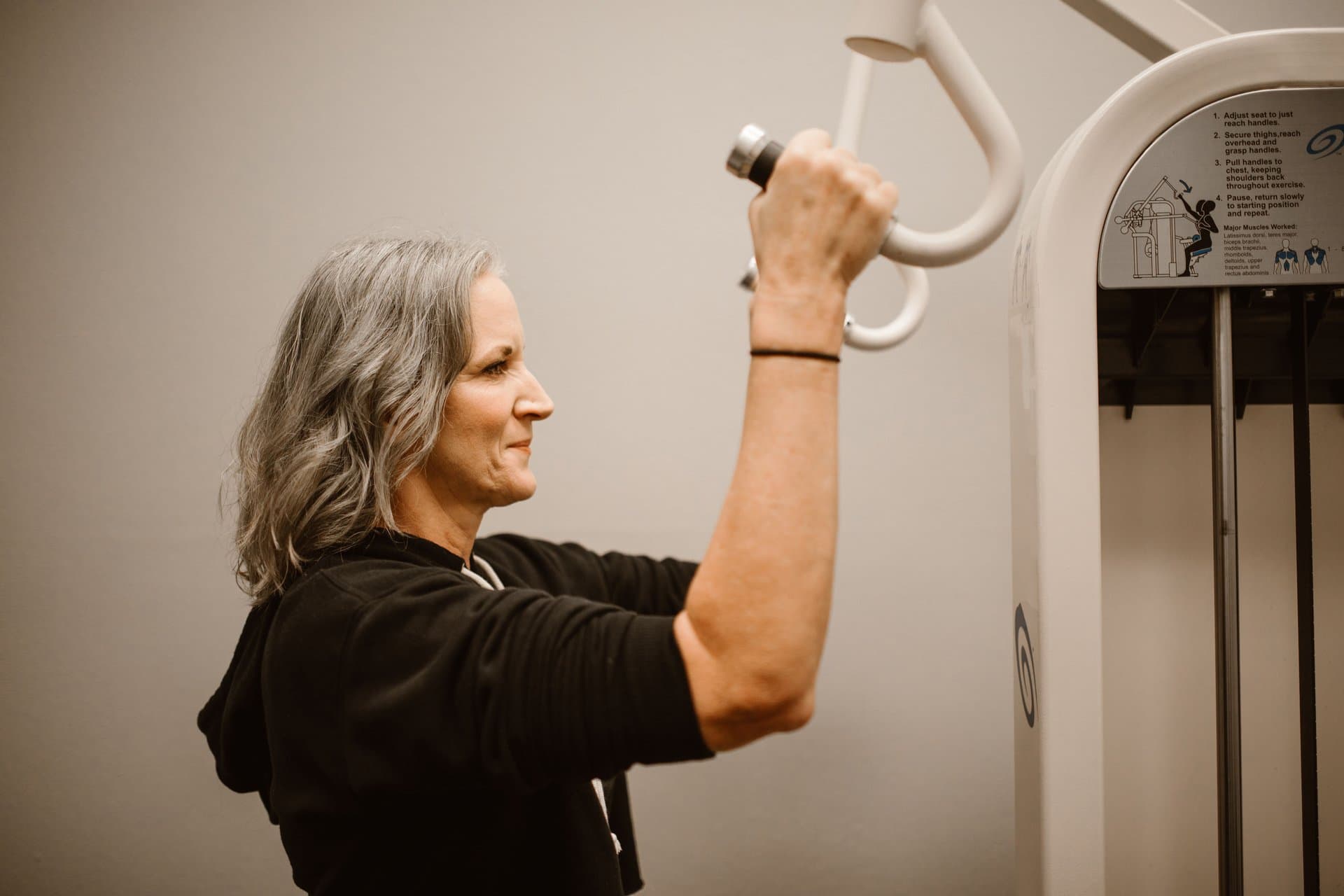
Strength exercises provide useful loading for your muscles and supporting tissues.
Walking gives you repeated weight-bearing movement.
Mobility exercises help you explore different ranges.
Stretching can help with flexibility.
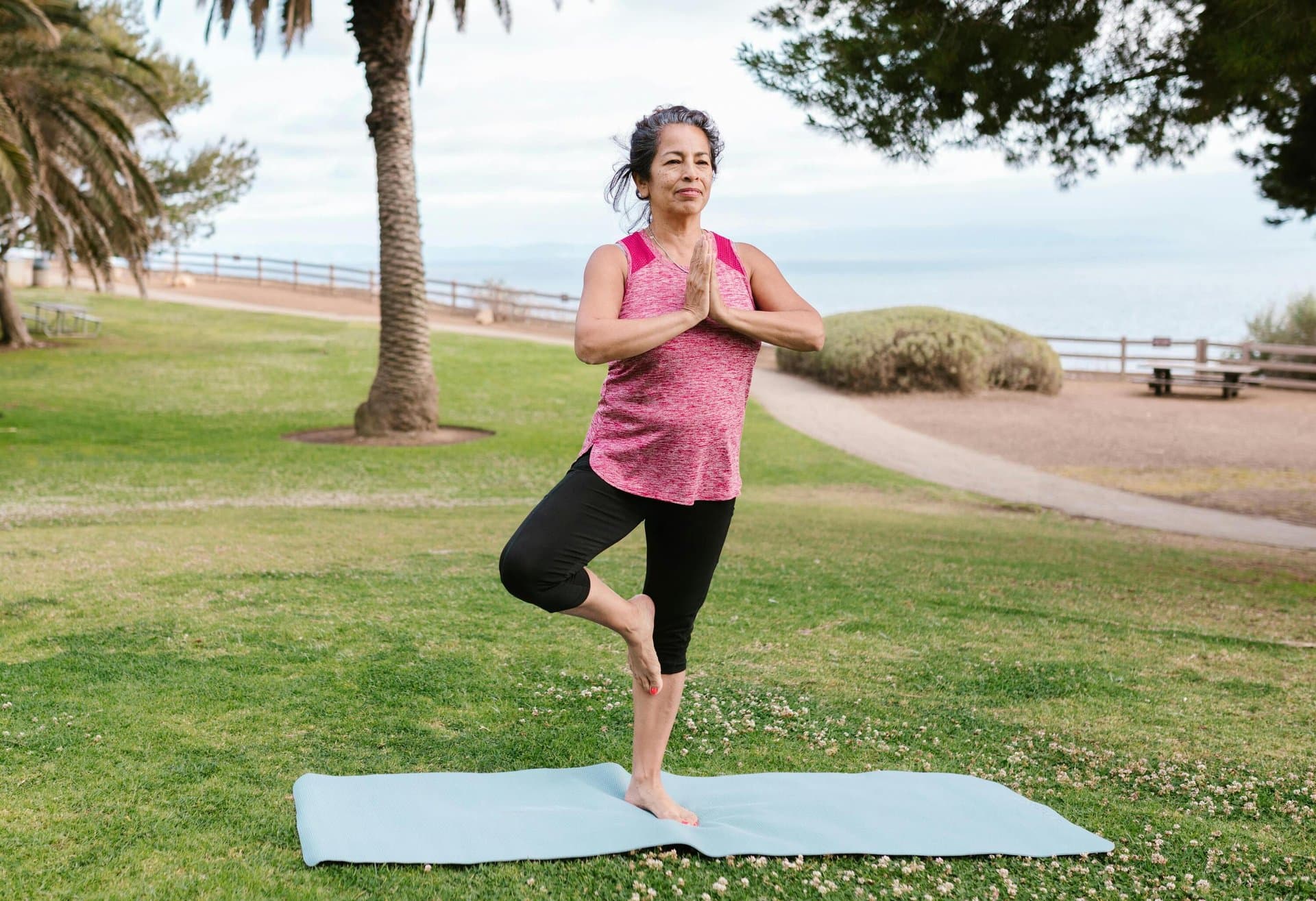
Flowing practices such as Qi Gong and Tai Chi combine movement, coordination, balance and awareness.
If you prefer a guided practice, our free Morning Energy Flow course combines gentle movement, breathing and meditation to help you build a simple daily movement habit.
Fascia Is Not a Replacement for Strength Training
The growing interest in fascia should not make you think that conventional strength training is no longer important.
Maintaining muscle strength is particularly valuable as we get older.
Strong muscles help support everyday activities such as walking, climbing stairs, getting out of a chair and carrying objects.
Fascia-focused movement can complement strength training, but it should not be presented as a replacement for it.
A healthy body benefits from different types of physical activity.
Does Tightness Mean Your Fascia Is the Problem?
Not necessarily.
A feeling of tightness can have many causes.
It may be related to prolonged sitting, reduced movement, muscle tension, limited mobility, previous injury, stress or simply spending too much time in the same positions.
Fascia may be involved, but you cannot determine the cause of stiffness simply from the sensation itself.
This is why it is better to look at the whole movement picture rather than assuming that every tight area needs to be "released."
A Whole-Body Approach to Movement
One of the most useful lessons from understanding fascia and muscle is that your body works as a connected system.
Instead of focusing exclusively on isolated muscles, consider how your feet, legs, hips, spine, shoulders and arms work together.
Try moving slowly.
Change direction.
Explore comfortable ranges of motion.
Pay attention to your breathing.
Notice where you are holding unnecessary tension.
This is one reason practices such as Qi Gong and Tai Chi can be valuable additions to a broader exercise routine.
Bringing It All Together
Fascia and muscle are different tissues, but both are important parts of the movement system.
Muscles generate force and help you move, while fascia provides support, connects structures, helps transmit forces and contributes to sensory awareness.
You do not need to choose one over the other.
Strength, mobility, walking, stretching and mindful movement can all have a place in a healthy routine.
Rather than looking for one tissue to "fix," it can be more useful to think about how the whole body moves.
The goal is not simply to have stronger muscles or more flexible tissues.
It is to maintain the ability to move comfortably, confidently and with control.
Frequently Asked Questions
Is fascia a muscle?
No. Fascia is connective tissue, while muscle is specialised tissue that contracts to create movement.
Does fascia surround every muscle?
Fascial connective tissues surround and connect muscles and many other structures throughout the body, forming a continuous network of connective tissues.
Is fascia important for movement?
Yes. Fascia helps transmit mechanical forces and contains sensory structures that contribute to movement awareness and proprioception.
Should I train fascia or muscle?
There is no need to treat them as competing goals. A varied movement routine can include strength training, mobility, stretching, walking and whole-body practices such as Qi Gong and Tai Chi.