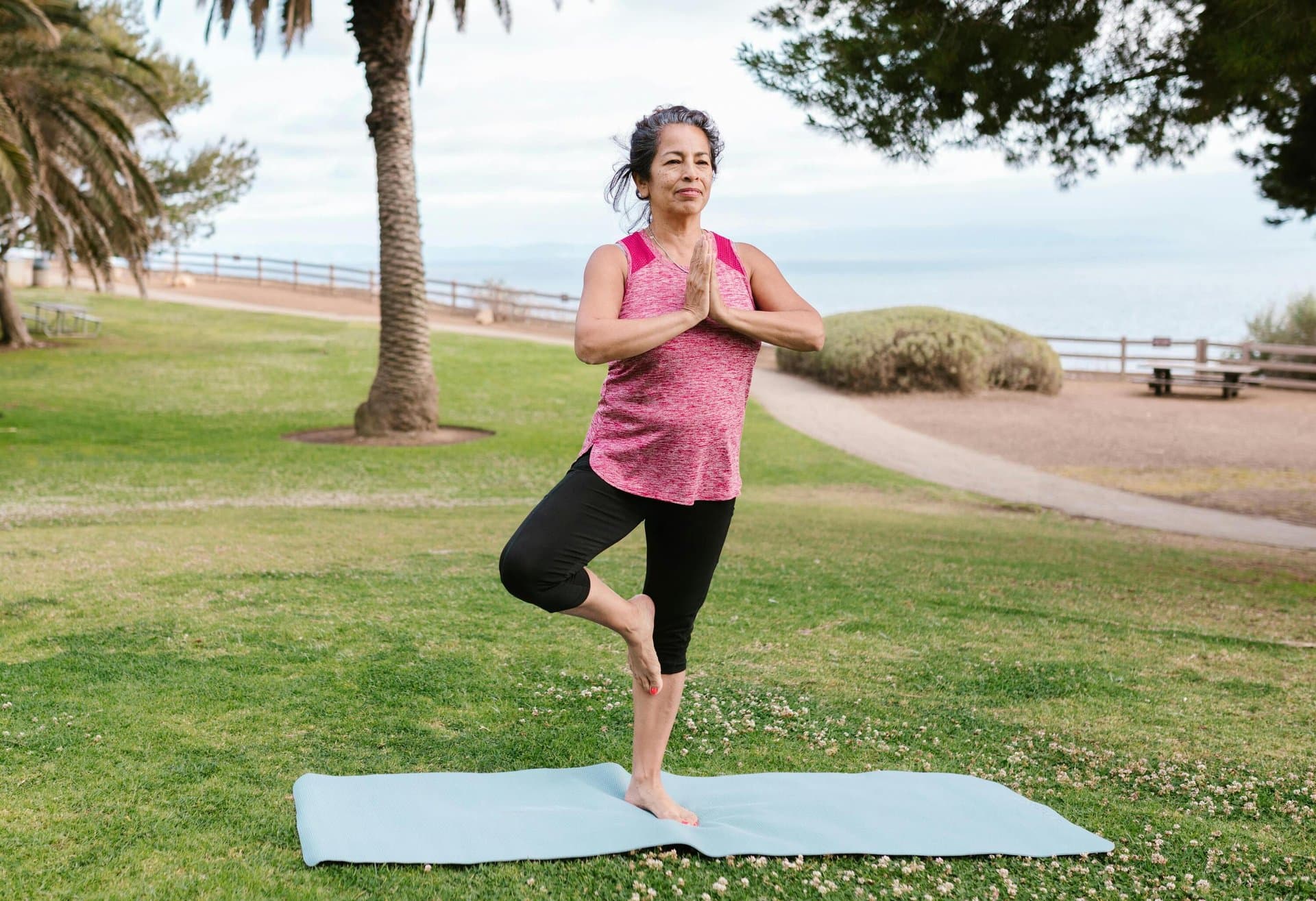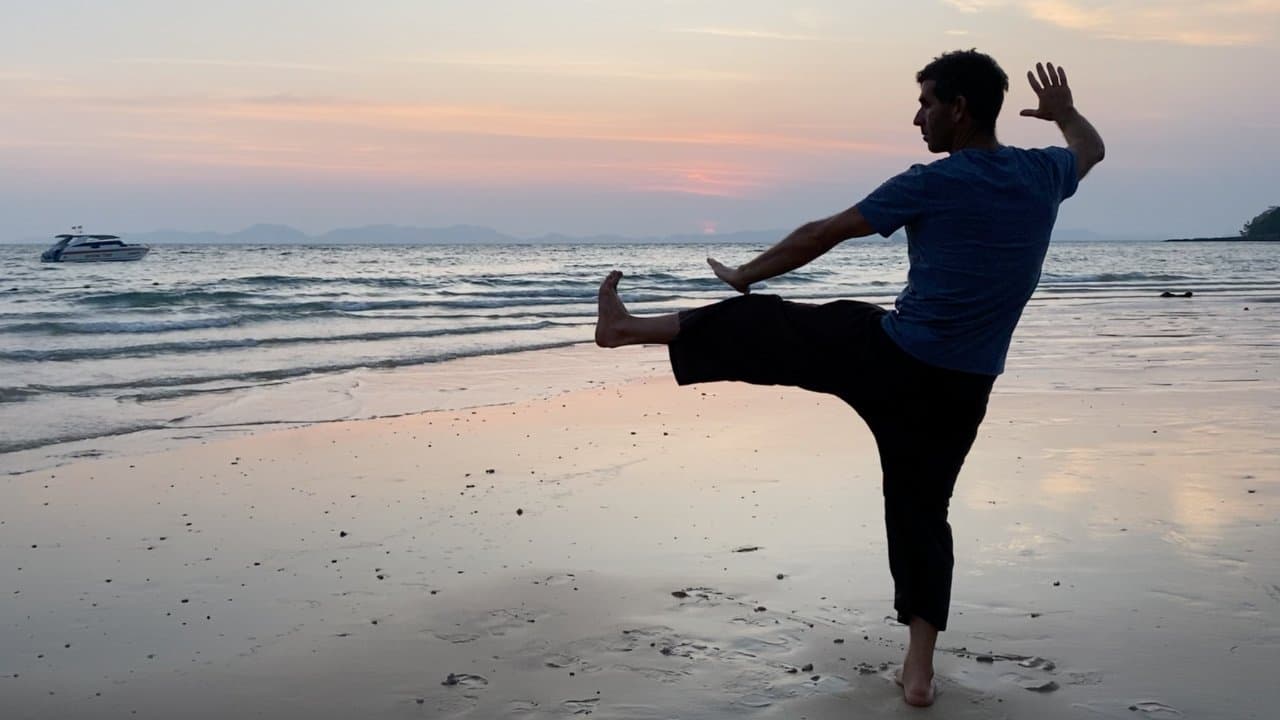
When people think about posture, they often focus on keeping their shoulders back, sitting up straight or avoiding slouching.
But posture is not simply about holding your body in one perfect position.
Your posture is constantly changing as you stand, walk, reach, sit and move.
Muscles, joints, connective tissues and your nervous system all contribute to how you organise your body.
Fascia is part of that picture.
So can fascia affect your posture?
Fascia contributes to the mechanical connections and sensory information involved in movement, which means it can be part of the system that influences how your body moves and maintains its position.
However, posture is complex and cannot be explained by fascia alone.
What Is the Connection Between Fascia and Posture?
Fascia surrounds and connects muscles and other structures throughout the body.
It also helps transmit mechanical forces and contains sensory receptors involved in body awareness.
This means the fascial system contributes to the information your body receives about movement and position.
When you stand, for example, your body is constantly making small adjustments to keep you balanced.
Your feet interact with the ground.
Your ankles, knees and hips adjust.
Your spine and pelvis maintain an appropriate relationship.
Your shoulders and head are positioned as part of the whole system.
You are not consciously controlling every one of these adjustments.
Posture Is Not a Fixed Position
One of the most useful things to understand about posture is that there is no single perfect position that you need to maintain all day.
Even an ideal posture can become uncomfortable if you remain in it for too long.
Your body is designed to move between positions.
This is why changing position regularly can be just as important as trying to improve your static posture.
If you sit for long periods, stand up.
Walk around.
Move your shoulders.
Rotate your spine gently.
Let your hips and ankles move.
The variety itself is useful.
Can Tight Fascia Affect Posture?
This is where some caution is needed.
You may come across claims that tight fascia directly pulls your body out of alignment.
Fascial tissues can become stiffer under certain conditions, and connective tissue is certainly involved in mechanical force transmission.
But posture is influenced by many factors, including muscle strength, joint mobility, habits, previous injuries, balance, vision and how your nervous system controls movement.
It would therefore be too simplistic to say that poor posture is simply caused by "tight fascia."
Instead, think about the whole movement system.
Why Movement May Be More Useful Than "Fixing" Your Posture
If you spend much of the day sitting, it can be tempting to constantly remind yourself to pull your shoulders back and sit perfectly upright.
But holding yourself rigidly in one position is not necessarily the goal.
A better approach may be to develop the ability to move comfortably between different positions.
Stretch gently.
Strengthen the muscles that support you.
Move your spine.
Open and rotate your shoulders.
Walk regularly.
Practise balance.
Pay attention to how you hold tension.
The goal is not perfect posture.
The goal is adaptable movement.
How Qi Gong Can Support Postural Awareness
Qi Gong provides an interesting way to explore posture because it combines alignment with movement and breathing.
Rather than simply being told to hold your spine in one position, you can notice how your posture changes while your arms, legs and torso move.
Slow movement also gives you time to notice unnecessary tension.
Are your shoulders lifting?
Are you gripping with your hands?
Are you holding your breath?
Are you leaning more heavily on one side?
These observations can help you develop greater awareness of how you organise your body.
If you would like a guided practice, our free Morning Energy Flow course combines gentle movement, breathwork and meditation and can be used as a simple way to explore whole-body movement and awareness.
Three Simple Ways to Support Better Postural Movement
Move Your Upper Body
Spend a few minutes gently rotating your upper back and moving your shoulders in different directions.
Avoid forcing the range.
The aim is to explore comfortable movement rather than create a strong stretch.
Move Your Hips and Ankles
Your posture is influenced by what happens lower down as well as around your spine and shoulders.
Gentle hip movements, ankle circles and controlled weight shifts can help you become more aware of how your lower body supports movement.
Change Position Regularly
If you sit for long periods, build regular movement breaks into your day.
Stand up.
Walk around.
Reach overhead.
Move your shoulders.
Changing position gives your body a chance to move rather than remaining in the same posture for hours.
Does Strength Matter for Posture?
Yes.
Your muscles play an important role in supporting your body and controlling movement.
If you want to improve how you move and carry yourself, it is worth including some form of strength training appropriate to your ability.
This could include simple bodyweight exercises, resistance bands, weights or functional movements such as controlled sit-to-stands.
Strength does not need to mean intense gym training.
The important thing is giving your body enough loading to maintain useful strength.
What About Stretching?
Stretching can be useful when a particular movement feels restricted.
But stretching is only one piece of the picture.
If you spend eight hours a day sitting, doing five minutes of stretching may not completely counter that pattern.
Try combining stretching with regular movement, walking, strength and mobility exercises.
You can also pay attention to your breathing and levels of tension.
A movement practice that combines these elements can be more useful than focusing on posture as a single physical position.
When Should You Get Professional Advice?
If you have persistent pain, significant changes in posture, weakness, numbness or movement problems that are affecting everyday activities, it is sensible to seek advice from an appropriately qualified healthcare professional.
Posture should not be treated as a diagnosis in itself.
The right approach depends on the individual and the reasons behind their particular movement limitations.
Bringing It All Together
Can fascia affect your posture?
Fascia is part of the body's connective and sensory systems, so it can contribute to the way forces are transmitted and how movement and body position are sensed.
But posture is much broader than fascia.
Muscles, joints, balance, coordination, habits and the nervous system all play a role.
Rather than trying to hold yourself in one perfect position, focus on developing a body that can move comfortably between different positions.
Move regularly.
Build strength.
Explore mobility.
Walk.
Breathe.
And become more aware of how you hold tension.
Good posture is not necessarily about being rigid or perfectly aligned.
It can be about having the freedom and control to move well.
Frequently Asked Questions
Does fascia affect posture?
Fascia contributes to mechanical force transmission and sensory feedback, so it is part of the systems involved in movement and body position. However, posture is influenced by many factors beyond fascia.
Can tight fascia cause bad posture?
It is too simple to say that tight fascia causes poor posture. Stiffness can involve fascia, muscles, joints, movement habits and other factors.
Can stretching improve posture?
Stretching may help if limited flexibility is restricting a movement, but improving posture usually involves more than flexibility. Strength, mobility, coordination and regular movement can all be important.
Is Qi Gong good for posture?
Qi Gong can be useful for developing awareness of posture, balance and whole-body movement. Its slow movements also encourage coordination with breathing and attention.