Why Do We Feel Better When We Move Slowly? The Benefits of Slower Movement.
Most exercise advice focuses on doing more, moving faster or working harder.
But there is another approach to movement that takes a different direction.
Slow down.
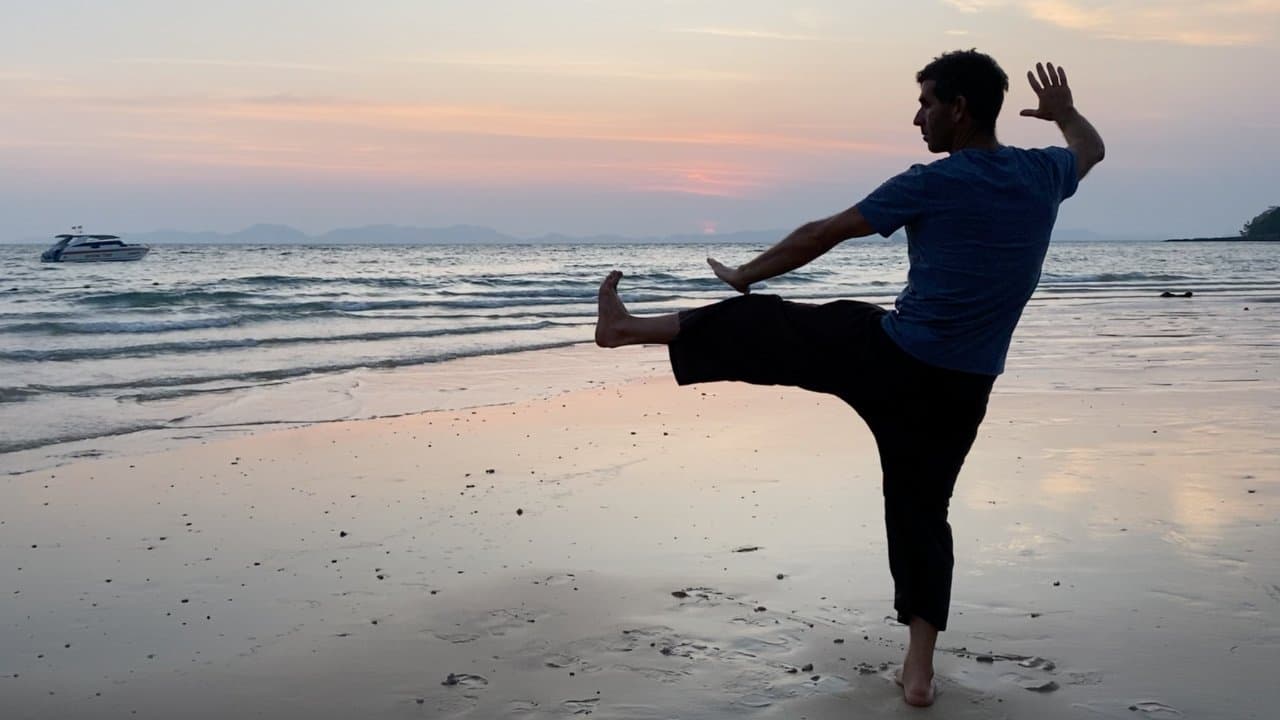
Whether you are walking, stretching, practising Qi Gong or simply moving your shoulders after sitting for a long time, slowing down can give you more time to notice how your body feels and responds.
Slow movement is not necessarily easier in every situation, and it is not a replacement for all forms of exercise. But it can offer a useful way to develop coordination, body awareness and a more comfortable relationship with physical activity.
What Happens When You Slow Down?
When you move slowly, you have more time to notice the details of a movement.
You can pay attention to where your weight is, how your joints are moving and whether you are holding unnecessary tension.
For example, raising your arms overhead might normally be an automatic action. If you do it slowly, you may notice that your shoulders lift towards your ears or that you hold your breath without realising it.
That awareness gives you an opportunity to adjust.
You can relax your shoulders, breathe comfortably and explore a range of movement that feels natural.
The movement itself may be simple, but the experience can become more attentive.
Slow Movement and Body Awareness
Your body is constantly sending information about position, movement and physical sensation.
This information helps you coordinate actions such as reaching, walking, turning and maintaining balance.
However, everyday life often encourages us to move automatically while our attention is focused elsewhere.
Slow movement creates an opportunity to pay attention to what your body is doing.
You might notice that one side feels different from the other, that your weight shifts unevenly or that you tend to tense your jaw when concentrating.
These observations do not necessarily mean that something is wrong.
They can simply help you understand your movement habits more clearly.
Why Slow Movement Can Feel Relaxing
Slower movement often provides a natural opportunity to pause.
Instead of rushing through a sequence, you can take your time, notice your breathing and reduce unnecessary effort.
For some people, this combination feels calming, particularly after a busy day or a period of prolonged concentration.
Practices such as Qi Gong and Tai Chi use slow, controlled movements alongside focused attention. Mindful movement more broadly also encourages people to pay attention to physical sensations rather than performing movements entirely on autopilot.
However, slow movement does not automatically eliminate stress or anxiety. How you respond will depend on the activity, your circumstances and your individual needs.
Slow Movement Does Not Mean Doing Nothing
There is an important difference between moving slowly and being inactive.
Slow movement still involves muscular activity, coordination and decisions about how your body moves.
Depending on the exercise, it can also challenge balance and postural control.
Tai Chi, for example, involves shifting weight between the legs while coordinating the upper and lower body. Qi Gong often combines continuous movement with relaxed breathing and attention.
These practices can offer a different experience from high-intensity exercise.
That does not make them better for every purpose.
Brisk walking, aerobic exercise and strength training remain important options for maintaining physical fitness. Slow movement can complement them by giving you another way to practise movement and awareness.
The Connection Between Slow Movement and Balance
Balance involves more than standing still.
Your body makes continuous adjustments as you walk, turn, reach and shift your weight.
Practising slow, controlled movements can give you more time to notice those adjustments.
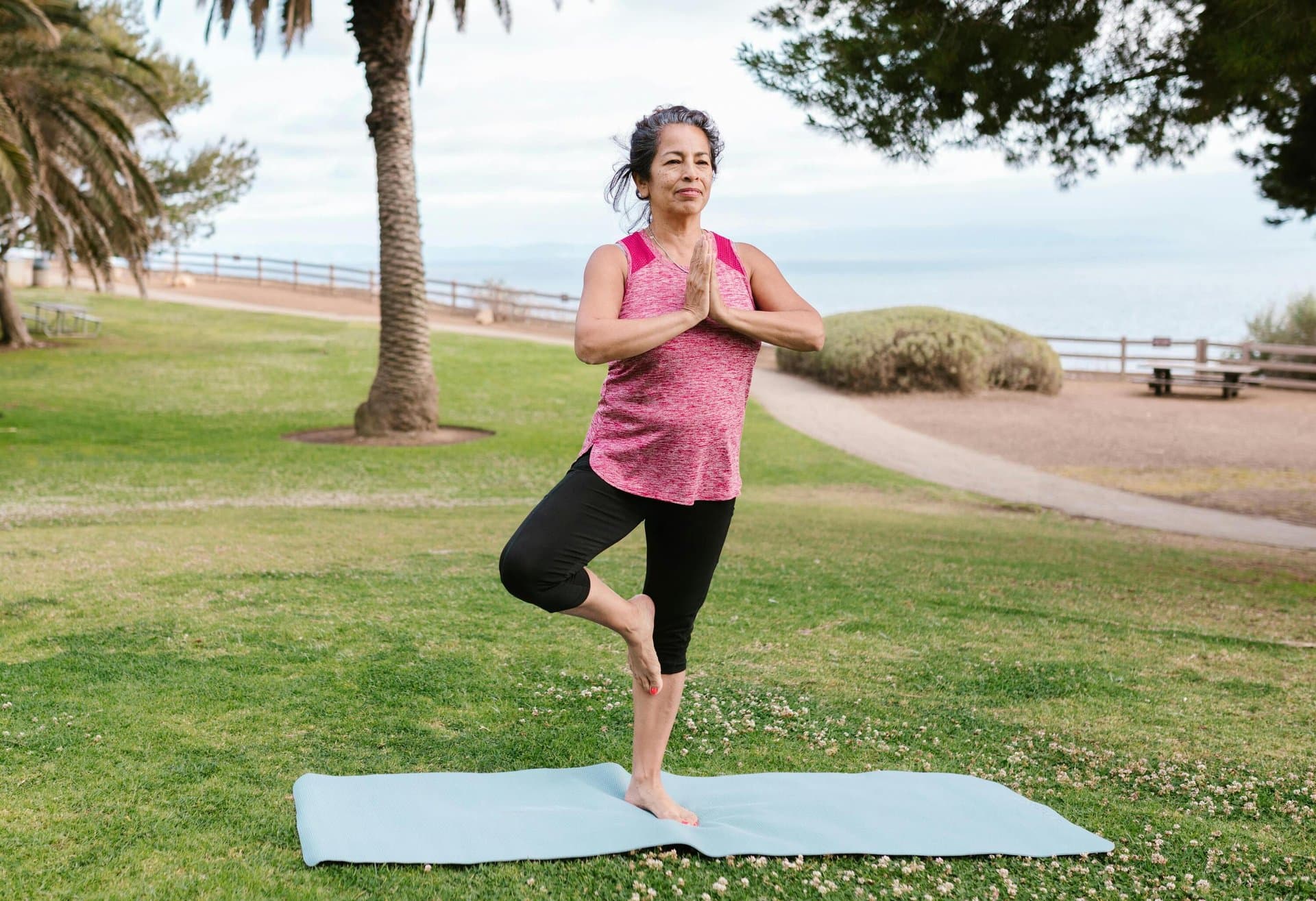
For example, stand near a sturdy surface and slowly shift your weight from one foot to the other.
Notice how your feet, ankles, hips and upper body respond.
Keep the movement small enough that you remain comfortable and stable.
You can also practise slowly raising and lowering your arms while maintaining an upright, relaxed posture.
These exercises are not a substitute for a full balance-training programme, but they can provide opportunities to practise controlled movement.
Why Qi Gong and Tai Chi Use Slow Movements
Qi Gong and Tai Chi are traditional Chinese practices that combine movement with attention and, in many forms, coordinated breathing.
Their slower pace makes it easier to focus on the movement as a whole rather than rushing from one position to another.
You can notice how your weight shifts, how your body turns and how your breathing relates to your movements.
This is one reason these practices can appeal to people who want to stay active without making every session feel like a demanding workout.
If you would like to try a guided practice, our free Morning Energy Flow course combines gentle movement, breathwork and meditation to help you build a simple daily routine.
Try This Five-Minute Slow Movement Practice
Find a comfortable space where you can move safely.
Start by standing or sitting comfortably and noticing your natural breathing.
Slowly raise your arms and lower them again, keeping your shoulders relaxed.
Gently rotate your upper body from side to side.
Shift your weight slowly between your feet if you are standing securely.
Then walk for a minute at a comfortable pace, paying attention to how your feet meet the ground.
Finish by standing or sitting quietly for a few moments.
You do not need to create a particular sensation or achieve a perfect result.
Simply notice how it feels to move without rushing.
Can Slow Movement Improve Mobility?
Slow movement can provide an opportunity to explore comfortable ranges of motion and practise controlling them.
However, it is important to distinguish moving slowly from automatically improving mobility.
Your results will depend on the movements you practise, how consistently you do them, your current ability and any health conditions that affect your joints or muscles.
If your goal is to improve strength, you will also need appropriate muscular loading. If your goal is cardiovascular fitness, you will generally need activities that challenge your heart and lungs sufficiently.
Slow movement can complement these activities, but it does not replace every type of exercise.
Slow Movement as You Get Older
As we age, staying active becomes increasingly important for maintaining the physical abilities needed for everyday life.
Slow movement can be adapted to different abilities and can provide opportunities to practise coordination, posture, body awareness and balance.
It can also offer a manageable starting point for people who find vigorous exercise uncomfortable or intimidating.
The key is to choose activities that suit your current ability and gradually build a varied routine.
Walking, strength training, mobility exercises and mindful movement can all contribute to a more active lifestyle.
When Should You Be Careful?
Slow movement should not be assumed to be safe for everyone in every situation.
Choose movements that feel controlled and comfortable. Use a sturdy support when practising standing movements if you need one.
If you experience dizziness, sharp pain, unusual weakness or worsening symptoms, stop and seek appropriate advice.
If you have a condition that affects your balance or mobility, a qualified healthcare professional can help you identify suitable activities.
Bringing It All Together
Moving slowly can change the way you experience your body.
It gives you more time to notice your breathing, balance, posture and physical sensations. It can make ordinary movements feel more deliberate and provide an opportunity to practise coordination without rushing.
You do not need to move slowly all the time.
There is value in walking briskly, building strength and challenging your fitness appropriately.
But adding a few minutes of slower movement to your day can offer a useful balance.
Slow down occasionally.
Pay attention to how you move.
Breathe comfortably.
And allow yourself time to experience the movement rather than simply getting through it.
Frequently Asked Questions
What are the benefits of slow movement?
Slow movement can provide opportunities to practise coordination, body awareness and controlled movement. Depending on the activity, it can also complement mobility and balance training.
Does slow movement reduce stress?
Some people find slow, mindful movement relaxing because it encourages them to pause and pay attention to their breathing and physical sensations. Responses vary, and it is not a guaranteed treatment for stress or anxiety.
Is slow movement enough exercise?
That depends on your goals and the type of movement. Slow movement can be valuable, but a balanced routine may also need aerobic activity and strength exercises.
Are Qi Gong and Tai Chi examples of slow movement?
Yes. Many forms of Qi Gong and Tai Chi involve slow, controlled movements combined with attention to posture, coordination and breathing.